

Female orgasmic dysfunction, also known as anorgasmia or female orgasmic disorder, is a persistent struggle or inability to reach orgasm, even with adequate sexual stimulation. This condition can cause significant distress and impact overall quality of life. This guide brings together definitions and types, explores psychological, physical, medication, and lifestyle influences, outlines diagnostic steps, and presents evidence-based treatments—from therapy and medication to self-help strategies and sexual devices. You’ll also discover ways partners can offer support, understand how it differs from other sexual dysfunctions, and find clear answers to common questions.
Female orgasmic dysfunction is a MedicalCondition characterized by delayed, infrequent, or absent orgasm despite sufficient arousal and stimulation. This disorder can be primary (lifelong), secondary (acquired after a period of normal function), situational (occurring only in specific contexts), or generalized (across all situations).
Primary anorgasmia describes women who have never achieved orgasm. Secondary anorgasmia develops after previously normal orgasmic function. Situational anorgasmia occurs only in certain contexts—such as with a partner but not during masturbation—while generalized anorgasmia affects all types of sexual activity.
Each subtype requires tailored evaluation and interventions that address its unique psychological and physiological underpinnings.
Female orgasmic dysfunction affects approximately 11–41 percent of women, with up to 15 percent never having had an orgasm. Post-menopausal onset is more frequent due to hormonal shifts. Beyond sexual dissatisfaction, anorgasmia can diminish relationship intimacy, self-esteem, and overall well-being.
Studies indicate that female orgasmic dysfunction affects a significant percentage of women, with estimates varying based on the population studied and the criteria used for diagnosis. The prevalence rates highlight the importance of recognizing and addressing this condition to improve women’s sexual health and overall well-being.
McCabe, M. P., & Althof, S. E. (2002). Prevalence of sexual dysfunction in women and men.
This research provides context for understanding how common female orgasmic dysfunction is, which is discussed in the article.
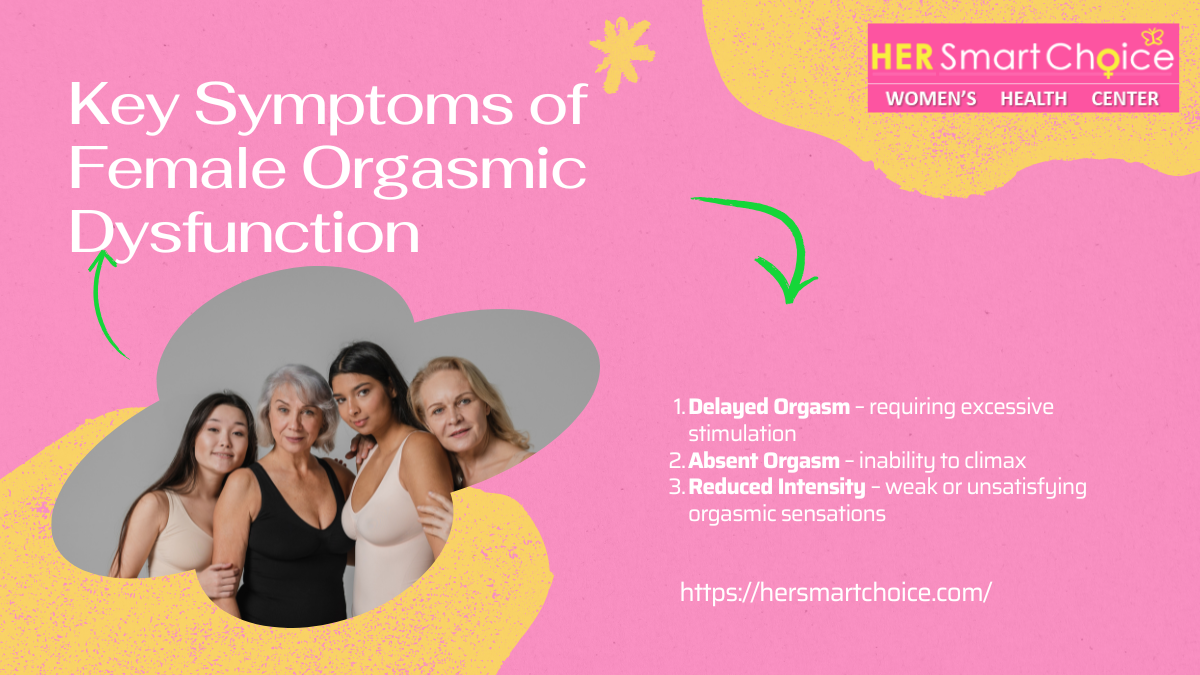
These symptoms often coexist with low sexual desire or arousal difficulties, underscoring the need for a comprehensive biopsychosocial assessment.
Orgasmic dysfunction arises from intertwined MedicalCause entities including emotional, biological, pharmacological, and lifestyle factors. Recognizing these causes facilitates targeted treatment.
Anxiety and depression disrupt cognitive focus and autonomic nervous system regulation, reducing genital blood flow and interfering with arousal thresholds. Negative body image or past sexual trauma further amplifies avoidance and anticipatory anxiety, which blocks the natural orgasmic response.
Psychological factors, such as anxiety and depression, can significantly impact a woman’s ability to achieve orgasm. These mental health conditions can disrupt the physiological processes necessary for sexual response, leading to difficulties with arousal and orgasm.
Basson, R. (2000). The female sexual response: a different model.
This research supports the article’s discussion of the psychological causes of female orgasmic dysfunction.
Several medical conditions impair genital sensation, vascular supply, or neural transmission:
ConditionEffect on Orgasmic FunctionMechanismMenopauseDecreased sensitivity and lubricationEstrogen deficiency reduces blood flowDiabetes MellitusNerve damage and reduced circulationNeuropathy impairs genital sensationPelvic Floor DysfunctionMuscle tension or weaknessAltered pelvic support impairs orgasmic contractionsMultiple SclerosisCentral nervous system lesionsDemyelination disrupts sensory pathways
These conditions often coexist, so multidisciplinary management yields the best outcomes.
Selective serotonin reuptake inhibitors (SSRIs) and certain antipsychotics increase synaptic serotonin or block dopamine, which can inhibit orgasmic reflexes in up to 35 percent of users. The serotonergic modulation delays orgasmic latency and lowers orgasmic pleasure, requiring dose adjustments or switching to alternative agents.
LifestyleModification factors such as excessive alcohol intake, smoking, chronic fatigue, and poor stress management can blunt sexual response by altering hormonal balance and vascular dynamics. Regular moderate exercise and stress reduction techniques support endocrine health and enhance sexual responsiveness.
A thorough diagnosis integrates clinical history, physical examination, and psychosocial evaluation to identify all contributing factors.
Clinicians review sexual history, relationship dynamics, medication use, and medical comorbidities. A pelvic exam assesses tissue health, nerve integrity, and signs of hormonal deficiency. Laboratory tests may measure hormone levels—particularly estrogen, testosterone, and thyroid function—to rule out endocrine causes.
Mental health professionals screen for anxiety, depression, past sexual trauma, and relationship stressors. Standardized questionnaires like the Female Sexual Function Index quantify orgasmic difficulties. PsychologicalEvaluation helps distinguish primary emotional barriers from medically driven dysfunction.
Persistent inability to orgasm after three to six months of self-help efforts, causing distress or relationship strain, warrants consultation with a gynecologist, sex therapist, or psychiatrist. Early intervention prevents chronic avoidance patterns and enhances treatment success.
A multimodal approach, including sex therapy, medication, and lifestyle adjustments, is often the most effective way to treat female orgasmic dysfunction. This comprehensive strategy addresses the various factors contributing to the condition, leading to improved outcomes.
Goldstein, I., Traish, A. M., & Burnett, A. L. (2005). The role of phosphodiesterase type 5 inhibitors in the treatment of female sexual dysfunction.
This research supports the article’s discussion of the various treatment options available for female orgasmic dysfunction.
Sex therapy and psychologicalTreatment use cognitive behavioral techniques, sensate focus exercises, and directed masturbation to rebuild positive sexual associations and improve communication. Couples therapy reduces relational conflicts and fosters joint exploration of arousal patterns.
Instructional self-help includes communication training, mindfulness, pelvic floor exercises (Kegels), and extended foreplay. Reducing alcohol, quitting smoking, improving sleep, and managing stress bolster physiological readiness for orgasm and enhance overall sexual satisfaction.
Vibrators and clitoral therapy devices provide consistent, targeted stimulation to overcome sensory deficits. Regular use can retrain the nervous system’s response threshold and boost confidence in one’s capacity to orgasm.
Open, non-judgmental dialogue about desires, boundaries, and preferred stimulation techniques cultivates safety. Using “I” statements and positive reinforcement encourages experimentation without shame.
Couples engage in structured sensate focus exercises—alternating intimate touch without goal-oriented stimulation—to rebuild sexual connection. Gradual reintroduction of erotic touch fosters comfort with pleasure.
Targeted clitoral stimulation, varying pressure and motion, optimizes arousal. Combining manual stimulation with gentle vaginal thrusting or vibrator use supports coactivation of external and internal nerve pathways for more intense orgasmic responses.
Anorgasmia involves difficulty reaching climax despite adequate arousal, whereas arousal disorder entails trouble becoming physically or mentally excited. One can experience normal lubrication yet still face orgasmic delay or absence.
Hypoactive sexual desire may reduce motivation for stimulation, but it differs from anorgasmia in that desire, not orgasmic capacity, is primary. However, chronic anorgasmia can erode desire, creating a cyclical interplay between these conditions.
What Is Female Orgasmic Disorder?
Female orgasmic disorder, or anorgasmia, is a persistent inability to achieve orgasm following sufficient sexual stimulation, leading to distress and reduced sexual fulfillment.
Can Female Orgasmic Dysfunction Be Cured?
While outcomes vary, most women experience significant improvement with tailored therapy, lifestyle adjustments, and, when appropriate, pharmacological support. Early, comprehensive interventions yield the best prognosis.
What Is the Most Common Cause of Anorgasmia?
Psychological factors—especially anxiety, depression, and relationship stress—are the leading contributors, although medication side effects (notably from SSRIs) and hormonal imbalances also rank highly.
What Is the Best Treatment for Female Orgasmic Dysfunction?
A multimodal approach combining sex therapy, pelvic floor rehabilitation, open partner communication, and targeted stimulation devices offers the highest success rates, supported by adjunctive medications when needed.
Orchestrating these interventions within a supportive, non-judgmental environment empowers women to reclaim sexual satisfaction and strengthen intimate bonds.
This article was written and reviewed by the editorial team at Her Smart Choice, a trusted provider of women’s health services with licensed professionals across Los Angeles, CA.
Her Smart Choice is dedicated to providing comprehensive and accessible women’s health services. With a team of licensed professionals across Los Angeles, we offer expert care and reliable information to support your well-being. For more information, visit Her Smart Choice.
Our medical authority is backed by our team of experienced and licensed healthcare providers who are committed to evidence-based practices and patient-centered care.


.png)
.png)

East LA: 2226 E Cesar E Chavez Ave, Los Angeles, CA 90033, United States
Van Nuys: 7220 Woodman Ave #106, Van Nuys, CA 91405, United States
Long Beach: 1760 Termino Ave #223, Long Beach, CA 90804, United States
Huntington Park: 7024 Seville Ave Suite A, Huntington Park, CA 90255, United States
©2006 – 2026 HER SmartChoice, DBA Cathedral Medical Inc. | Sitemap | Terms & Conditions | Privacy Policy





.svg)
.svg)