

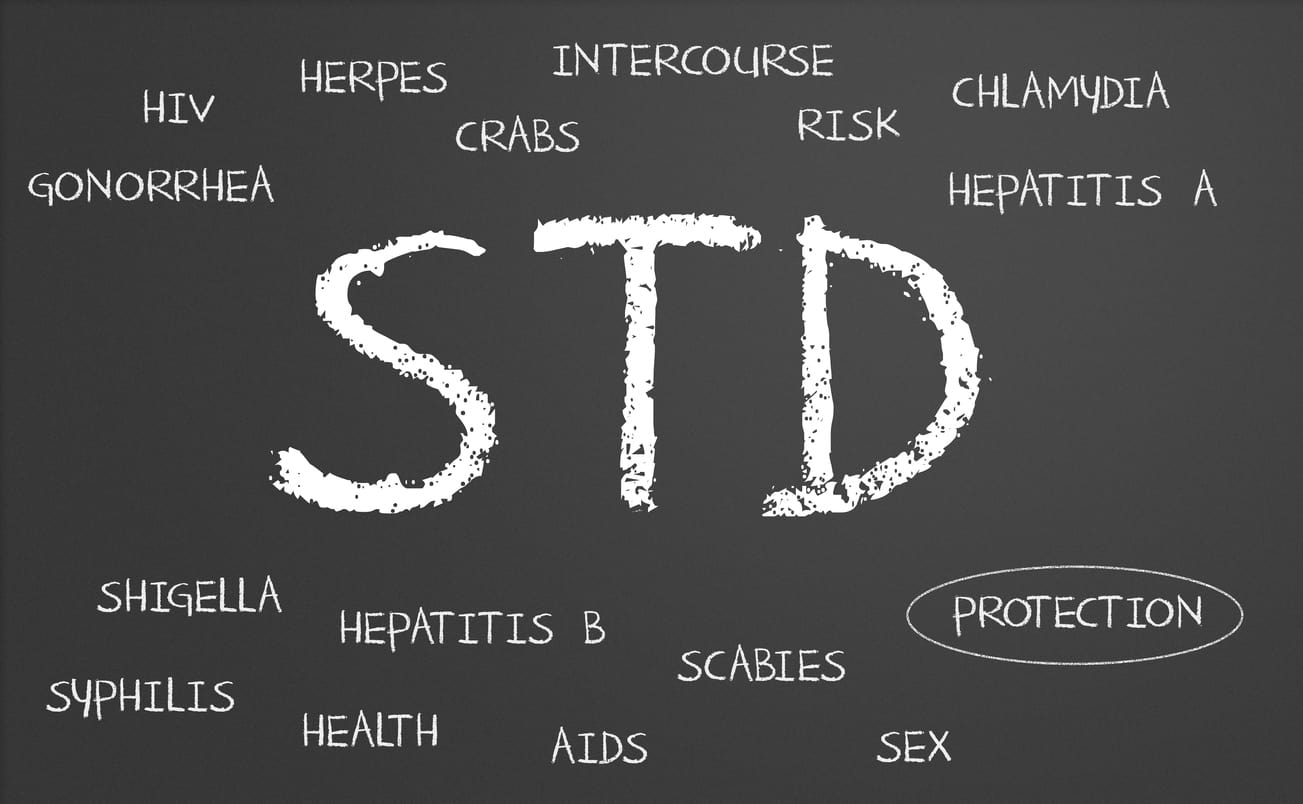
Sexually transmitted diseases (STDs) are infections, which are spread from one person to another by coming into sexual contact with an infected person. A person who has a sexually transmitted infection (STI) can pass the infection to other people by way of contact with their skin, mouth, genitals, body fluids or rectum. Anyone having sexual contact-oral, vaginal or anal sex- with an infected person can get the STI. It is not necessary to exhibit symptoms of an STD. Even if no symptoms are present, your health may be affected. Although treatment and cures exist for some STDs, not all of them can be treated. Since STDs are highly preventable, prevention is always the best option.
The causes of STDs are viral or bacterial infections. STDs that are caused due to bacterial infections are treated using antibiotics. There is no cure for STDs that are caused by viral infections, but you can take measures to treat their symptoms.
The below-mentioned factors can increase your risk of contracting an STD:
Some of the commonly occurring STDs are:
The following are the top five methods to prevent STDs:
Abstaining from having all types of sexual contact; i.e., vaginal, oral or anal is the most efficient and reliable method to avoid contracting an STD. However, most individuals don’t find abstinence a practical method of dealing with the situation.
Getting a vaccine is a safe and effective method that is recommended to prevent HPV and hepatitis B. The HPV vaccine for both females and males may protect against certain common forms of HPV. It is recommended that you get all the three shots (doses) before engaging in sexual activity. However, an HPV vaccine is recommended for all the teen girls and females after the age of 26 years and all the teen boys and males after the age of 21 years who were not given the three shots or doses of HPV vaccine before (at a younger age). You must also get a hepatitis B vaccine in case you had not received the vaccine before (at a younger age).
Reducing the number of sex partners can also decrease the risk of contracting an STD. It is also important to know about the sexual history of your partner. The greater number of partners you have, the greater your risk of getting an STD. The same is also true for your sexual partners, i.e., if they have more partners, then it still increases your risk. You and your sexual partner should get tested for STDs. Moreover, both of you should share the results of your tests with each other.
The meaning of mutual monogamy is that you have agreed to have sex with only one individual who has also agreed to have sex with only you. Having a long-term relationship that is mutually monogamous is among the most effective and reliable methods to prevent STDs. You should also have an honest and open conversation regarding sex with your partner.
Using male condoms made of latex correctly and consistently is greatly effective in reducing the transmission of STDs. You must use a latex condom each time you are involved in vaginal, oral or anal sex. You can also use a female condom while having vaginal intercourse. You should use dental dams or condoms while having oral sex and gloves during manual penetration.
In case of using a lubricant, be sure to use a water-based lubricant. It is important to use condoms during the entire sexual act. Though condoms aren’t 100% effective in preventing STDs, they are still extremely effective when used correctly. Hence, learn the method to correctly use condoms.
You don’t get extra protection by using condoms that have a spermicide as a lubricant. On the contrary, frequently using some spermicides may increase your risk of contracting HIV.
Rinsing or washing after having sex may help in removing the infectious material present on the skin. Women should pass urine after sex as it reduces the risk of getting UTIs (urinary tract infections).


.png)
.png)

East LA: 2226 E Cesar E Chavez Ave, Los Angeles, CA 90033, United States
Van Nuys: 7220 Woodman Ave #106, Van Nuys, CA 91405, United States
Long Beach: 1760 Termino Ave #223, Long Beach, CA 90804, United States
Huntington Park: 7024 Seville Ave Suite A, Huntington Park, CA 90255, United States
©2006 – 2026 HER SmartChoice, DBA Cathedral Medical Inc. | Sitemap | Terms & Conditions | Privacy Policy



.svg)
.svg)