

Knowing when to resume sexual activity after an abortion matters for both your body and your emotions. This guide walks through practical timelines, how recovery differs after a medical versus a surgical abortion, and the possible risks of having sex too early. If you’re unsure about when it’s safe to be intimate again, this article is meant to offer clear, compassionate guidance — including emotional readiness and contraception options to help you feel safer and more prepared.
Follow Us!
Deciding when to have sex after an abortion comes down to how your body is healing and any individual risk factors. Most clinicians recommend waiting a set period to lower infection risk and let the cervix close, but the exact timing can vary depending on the procedure and your overall health.
Most providers suggest waiting about one to two weeks before resuming intercourse. That window helps the cervix close and reduces infection risk. Some people may need a longer recovery if they have ongoing bleeding, pain, or other complications. Checking in with your healthcare provider is the best way to confirm what’s right for you.
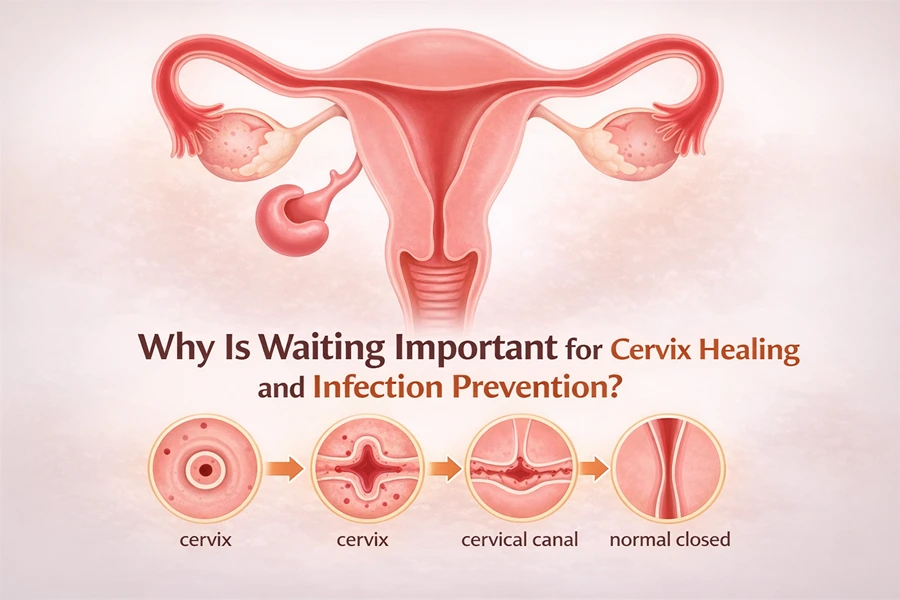
Waiting before sexual activity protects against several risks. The cervix can stay partially open for a short time after an abortion, which makes it easier for bacteria to enter the uterus. Having sex too soon can increase the chance of infection, heavier bleeding, or painful intercourse. Giving your body time to heal lowers those risks and helps make sex more comfortable when you’re ready.
Recovery looks different after a medical abortion (the abortion pill) compared with a surgical procedure. Those differences can affect when it’s safe to resume sexual activity, so it helps to understand what each recovery typically involves.
After a medical abortion, most people are advised to wait at least one to two weeks before having sex. That gives time for the process to finish and for bleeding and cramping to settle. Pay attention to how you feel physically — if bleeding or pain continue, you may need more time and should follow up with your provider.
For surgical abortions, the usual recommendation is also about one to two weeks. Some people feel ready sooner, but it’s important to confirm healing with your clinician, especially if you had any complications. Trust your body’s signals and check in with your care team if you’re unsure.
Having sex before your body has healed can raise the risk of infection and other complications. Knowing what to watch for and how to reduce risk can help you make safer choices as you recover.
After you begin sexual activity again, be alert for signs that could indicate an infection:
If you notice any of these symptoms, contact your healthcare provider promptly.
To lower the chance of infection as you recover, consider these practical steps:
Following these precautions can make intimacy safer during the recovery period.
Emotional readiness is as important as physical healing. Processing the experience and being honest with yourself and your partner can make a big difference in how comfortable intimacy feels afterward.

Emotional healing gives you space to process feelings about the abortion and what intimacy will mean going forward. Jumping back into sex before you feel ready can trigger anxiety, guilt, or physical discomfort. Letting yourself recover emotionally often leads to healthier, more positive intimate experiences.
Clear, compassionate conversation helps both partners feel safe. Try these approaches:
Open dialogue builds trust and makes it easier to navigate intimacy at a pace that feels right for both of you.
Because fertility can return quickly after an abortion, it’s wise to consider contraception soon after the procedure. Discussing options with your provider at follow‑up visits helps you choose a method that fits your needs.
It’s generally safe to start many forms of birth control immediately after an abortion, since fertility can return in as little as two weeks. Many clinicians recommend planning for contraception during your follow‑up appointment so you leave with a clear plan.
Common, effective options you can typically use after an abortion include:
Which method is best depends on your preferences, medical history, and future plans — talk it over with your healthcare provider for personalized advice.
MethodEffectivenessNotesHormonal Birth Control91-99%Requires consistent useIUD (Hormonal)99%Long-term solution, can be used immediately after surgical abortion or when bleeding subsides after medical abortionIUD (Copper)99%Non-hormonal option, can be used immediately after surgical abortion or when bleeding subsides after medical abortionCondoms85%Protects against STIs, requires proper use
What should I expect during the recovery process after an abortion?
Recovery varies from person to person. You may experience cramping, bleeding, and emotional ups and downs. Physically, most people recover over a few weeks, but emotional recovery can take longer. Keep an eye on any unusual symptoms and stay in touch with your healthcare provider for follow‑up care and reassurance.
Can I use tampons after an abortion?
Most providers recommend avoiding tampons for at least two weeks after an abortion to lower infection risk. Pads are a safer option during the initial recovery. As always, check with your clinician for guidance tailored to your situation.
How can I manage pain or discomfort after an abortion?
Over‑the‑counter pain relievers like ibuprofen or acetaminophen often help. A heating pad on the lower abdomen can ease cramps, and rest plus hydration supports recovery. If pain is severe or doesn’t improve, contact your healthcare provider.
What emotional support resources are available after an abortion?
Emotional support might include talking with trusted friends or family, counseling, support groups, or hotlines. Many reproductive health organizations offer resources and referrals. If feelings of anxiety, guilt, or sadness persist, reaching out to a professional can be very helpful.
Are there any lifestyle changes I should consider after an abortion?
Healthy habits support recovery: eat balanced meals, stay hydrated, and follow your provider’s advice about activity levels. Avoid smoking and limit alcohol while healing. Practices like gentle yoga, meditation, or breathing exercises can also help emotional recovery.
What should I do if I experience complications after an abortion?
If you have severe pain, heavy bleeding, fever, or other worrying symptoms, seek medical attention right away. Prompt care is important for treating complications, so keep your provider’s contact information handy during recovery.
Knowing when to resume sexual activity after an abortion helps protect your physical health and emotional well‑being. Follow the recommended waiting periods, listen to your body, and communicate openly with partners and healthcare providers. Prioritizing both physical healing and emotional readiness supports a safer, more comfortable return to intimacy. If you’d like more information or support, please explore our resources or contact a clinician you trust.
Follow Us!
This article is for informational purposes only and does not constitute medical advice. It is not intended to replace professional medical evaluation, diagnosis, or treatment. Always consult a qualified healthcare provider with any questions about recovery, symptoms, or when it is safe to resume sexual activity after an abortion.


.png)
.png)

East LA: 2226 E Cesar E Chavez Ave, Los Angeles, CA 90033, United States
Van Nuys: 7220 Woodman Ave #106, Van Nuys, CA 91405, United States
Long Beach: 1760 Termino Ave #223, Long Beach, CA 90804, United States
Huntington Park: 7024 Seville Ave Suite A, Huntington Park, CA 90255, United States
©2006 – 2026 HER SmartChoice, DBA Cathedral Medical Inc. | Sitemap | Terms & Conditions | Privacy Policy




.svg)
.svg)