

Post-Abortion Recovery: Understanding Your Body and Emotions After an Abortion
Making the decision to have an abortion is a deeply personal one, and the journey doesn’t stop after the procedure. Every woman’s experience is unique, and post-abortion recovery involves both physical and emotional changes. This blog aims to provide information and support for women navigating this journey, addressing the question: How long after an abortion do pregnancy symptoms subside?
Physical Recovery:
 After an abortion, your body begins the process of returning to its pre-pregnant state. The timeframe for this varies depending on the type of abortion (medical or surgical) and your individual health. Here’s a general overview:
Bleeding: You may experience vaginal bleeding similar to a period for up to two weeks. This is normal and gradually subsides. Consult your doctor if bleeding is heavy or prolonged.
Pregnancy Symptoms: Most pregnancy symptoms like nausea, breast tenderness, and fatigue fade within 24-48 hours after a medical abortion and within a few days after a surgical abortion.
Cramping: Mild cramping is common and usually lessens within a few days. Over-the-counter pain medication can help manage discomfort.
Cervical Changes: Your cervix, which softened during pregnancy, will gradually firm up over the next few weeks.
Returning to Regular Periods: Your menstrual cycle may take some time to regulate. Expect your first period 4-8 weeks after an abortion.
Emotional Recovery:
Just as the physical recovery is individual, so are the emotional responses to abortion. It’s important to acknowledge and understand your emotions, which may include:
- Relief: Many women feel a sense of relief after making a difficult decision.
- Sadness or loss: You may grieve the loss of the potential pregnancy, even if the decision was right for you.
- Guilt or regret: These are common emotions, even if unfounded. Allow yourself to process these feelings without judgment.
- Anxiety or stress: Concerns about potential complications or societal judgment can contribute to anxiety.
- Remember: It’s completely normal to experience a range of emotions. Talking to a trusted friend, family member, therapist, or counselor can be very helpful during this time.
Support and Resources:
Seeking support after an abortion is crucial for both your physical and emotional well-being. Here are some resources available to you:
- Women’s health clinics: Like Her Smart Choice Women’s Health Center in California, provide comprehensive support, including post-abortion consultations, emotional counseling, and referrals to additional resources.
- Family planning centers: Offer various birth control options and abortion services, often with confidential counseling.
- National hotlines: Organizations like Planned Parenthood and National Abortion Federation offer confidential support and information.
- Online communities: Connecting with other women who have had abortions can provide valuable peer support and understanding.
Understanding Your Timeline:
While the information provided can offer a general idea, it’s important to remember that every woman’s experience is unique. The best way to understand your personal recovery timeline is to listen to your body and communicate openly with your healthcare provider.
Here are some key points to remember:
- Don’t hesitate to ask questions: Your doctor is there to address your concerns and provide personalized guidance.
- Pay attention to your body: Listen to your physical and emotional needs and allow yourself time to heal.
- Be patient: Healing is a process. Be kind to yourself and allow your body and emotions time to adjust.
If you’re seeking support after an abortion, know you’re not alone. At Her Smart Choice, we understand the physical and emotional needs following this decision. We offer comprehensive care, including safe and confidential abortion services, post-abortion consultations, emotional counseling, and a warm, supportive environment. We’re here to listen, answer your questions, and empower you on your journey towards healing, every step of the way.
 Whether you’re a teenager experiencing your first period or a mature woman facing menopause, your first gynecologist visit can be filled with nerves and uncertainties. This is completely normal! Remember, gynecologists are dedicated to your well-being and understand the anxieties surrounding these visits.
 During your first visit, your gynecologist will likely:
 Ectopic pregnancies demand a distinct approach due to their nature of implantation in areas unsuitable for sustaining a viable pregnancy. While abortion procedures are a safe and legal option for pregnancies within the uterus, they are not equipped to address the complexities presented by ectopic pregnancies. Recognizing these limits is essential in ensuring that individuals with ectopic pregnancies receive timely and appropriate medical care tailored to their specific needs.
 Numerous reputable scientific organizations, including the American Cancer Society and the World Health Organization, have conducted extensive reviews of the existing research. The consensus among these organizations is that there is no definitive evidence supporting a causal link between induced abortion and an increased risk of breast cancer. Thus, you can visit any walk-in abortion clinic or take
  To understand the lack of a conclusive link between abortion and breast cancer, it’s crucial to delve into the hormonal changes that occur during pregnancy. The dynamic fluctuations in hormone levels, specifically the increase in estrogen and progesterone during pregnancy, play a protective role against breast cancer.
 Addressing concerns about sensitive topics like abortion and breast cancer requires a supportive and informed approach. Healthcare providers play a pivotal role in this process by offering evidence-based information and fostering open communication. Encouraging regular breast health check-ups, and screenings, and promoting a healthy lifestyle remain paramount in reducing overall breast cancer risk.
 Social media has transformed the landscape of abortion clinic discourse, presenting both opportunities and challenges. It has the power to amplify diverse voices, provide access to information, build supportive communities, and mobilize activism. However, it also contributes to polarization, the spread of misinformation, online harassment, and stigmatization. Navigating abortion discourse on social media requires a collective effort to foster respectful dialogue, combat misinformation, bridge ideological divides, and ensure the safety and privacy of users.
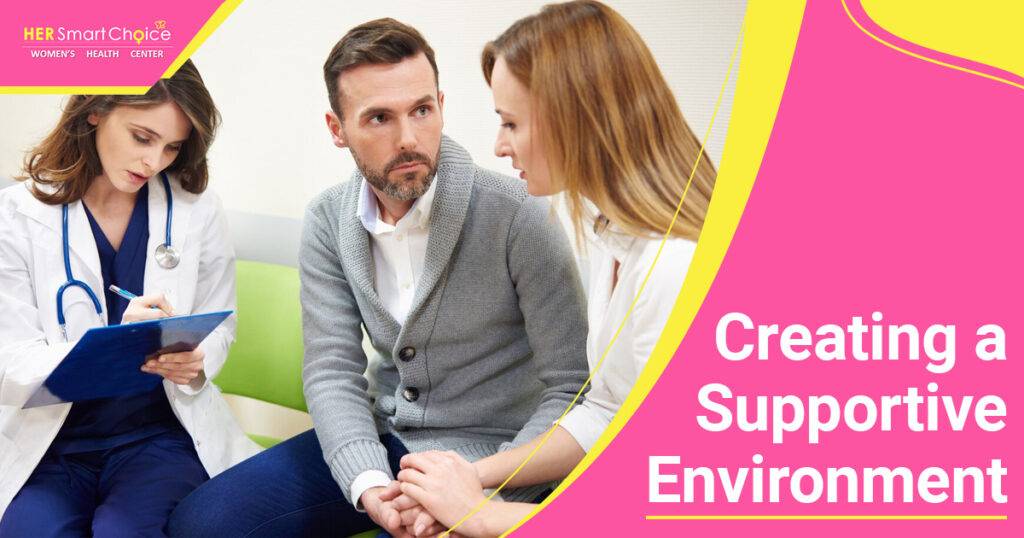 Partners play a vital role in establishing a supportive and non-judgmental environment for the individual facing the decision. Offering emotional support and reassurance fosters an atmosphere where open communication can flourish.
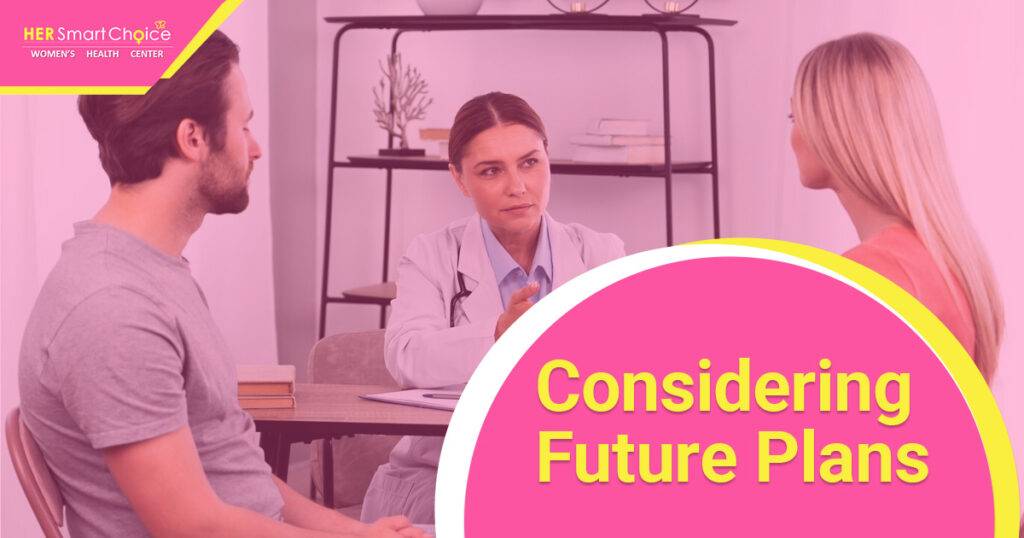 Partners should collaboratively explore the potential impacts of the decision on future plans, considering factors such as family goals, career aspirations, and relationship dynamics. This collaborative approach ensures that the decision aligns with both individuals’ long-term objectives.
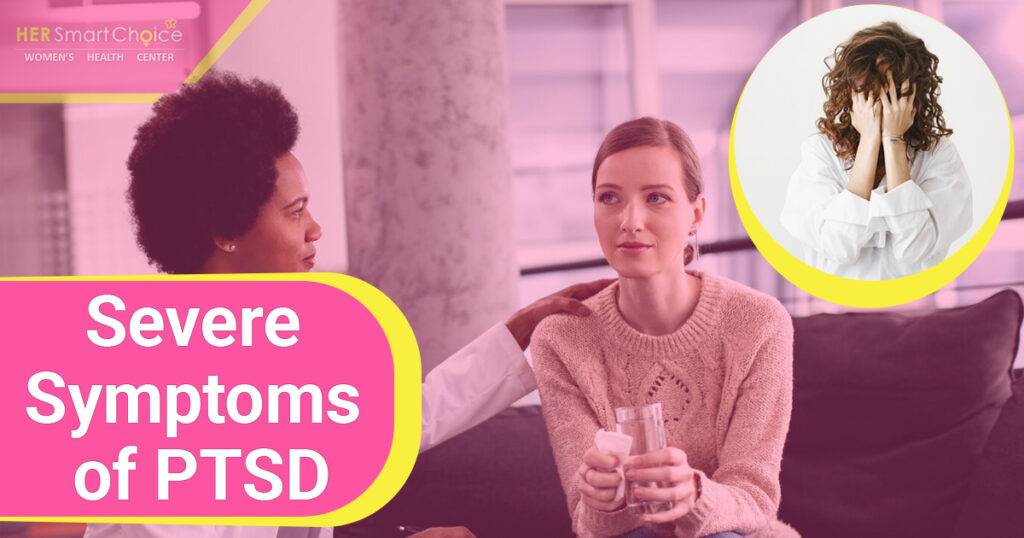
 If you or someone you know is experiencing symptoms of PTSD following an abortion, it is important to seek professional help. Recognizing the signs of PTSD and understanding its potential connection to abortion can be the first step toward healing and recovery.