CATEGORY

The Debate on Abortion and Reproductive Justice: Examining Diverse Perspectives

Many of you might have great confusion between two concepts when it comes to describing women’s health’s imperative work. Often, people use the terms “reproductive justice” and “reproductive rights” as synonyms for each other. Besides, it’s not exactly the same as you think. The two of these are philosophically different from each other. Let’s dive into the article to get a clear picture of this concept.


Reproductive Rights: The legal rights that help women access reproductive health care services, such as birth control and medical abortion in California and other states. Women can easily obtain an abortion, birth control, and other related services from a local abortion clinic. But, do you think all women have the same rights?

However, it has been seen that women’s right to abortion is cemented by the Supreme Court. According to this, a woman has the right to decide whether she wants an abortion or not.


Reproductive Justice: If you cannot access the services you are eligible for, this will show the critical nature of reproductive justice. Besides, reproductive justice links reproductive rights with political, social, and economic inequalities, which further affects a woman’s ability to access reproductive health care services.

Core Components of Reproductive Justice
reproductive justics

Anyhow, the core components of reproductive justice consist of some familiar terms, such as affordable contraceptives, comprehensive sex education, free from sexual violence, and safe access to medical abortion.

Having a legal abortion is a crucial matter, but it is not the only issue in your state. The primary concern is, one has access to it to get things done well. To exemplify, some women have to make hard-core efforts and face many hurdles to access abortion services. Especially, when:

  • It becomes difficult for women to visit abortion clinics due to multiple jobs and household pressure.
  • If the local clinics don’t have the reproductive services that they need, then a woman has to travel to the abortion clinic.

These are some more issues that women are facing that restrict their access to reproductive health care services. But now it is resolved to a greater extent using telehealth solutions by abortion clinics.


Climate crisis relation to reproductive justice issues
reproductive justice issue

Limited access to reproductive cases or striking down abortion rights may have negative economic and health effects. Further, which is further affected by climate change.

Environmental disasters come up every year and reshape social structures and economies. Here, the question raised is how communities and their health, safety, and freedom rights get affected by a change. Do the inequalities judgments passed on the low-income community and on a racial basis ever stopped?

Reproductive Justice Link With Reproductive Health

reproductive health

In general terms, reproductive justice represents a framework that links reproductive health and rights with social justice. This term was coined by women of color after an international conference and a reproductive justice moment. The term found that there are multiple factors that affect women’s reproductive health.

Further, reproductive justice addresses many critical issues. Many women consider abortion their main issue, no doubt that it is indeed crucial. But many women, particularly those of color, racism, and low income, face difficulty in accessing contraception, comprehensive sex education, pregnancy care, alternative birth options, etc. Even they might be disregarded from domestic violence assistance, the right to deserved wages, family support, safe homes and so much more.


Injustice doesn’t end here….

The injustice doesn’t end here, even the right to parent is often under threat. because of social discrimination. An analysis of reproductive justice also understands the reproductive oppression that some women experience due to color and community differences. Further, it represents biological and social exploitation of women, and other individuals through bodies, sexuality, and reproduction. This oppression can be done by society, families, and communities.

The inequality paradigm that addresses the multiple dimensions at the core of reproductive justice admits the oppression system. Not only this, many women face discrimination based on race, gender, age, ability, immigration status, and other related factors.

Undoubtedly, the intersecting terms of oppression and discrimination always resulted in power, privilege, and resources, as per historical views. Women with discrimination have limited access to resources and power.

Whereas abortion clinic in Los Angeles supports reproductive justice and aims to bring the complete physical, spiritual, mental, social, economic, and political well-being of girls and women. Also, it desires complete achievement of women’s human rights and the protection of their reproductive rights. 


Summing Up

To sum up, access to abortion is not limited to the right to decide whether you want a baby or not or when to become pregnant. It is quite more than this, including racial, economic, and environmental justice issues.

These basic human rights to control your body, live in a healthy environment, the right to choose to have something or not, and reproductive care, were all oppressed in the past years, but now justice is by the side of women. Women’s rights should not be neglected, and they aren’t biased on the basis of income or racial inequality.

Indeed, abortion clinics in California guide you with strong local laws to protect reproductive freedom, including the right to safe and legal abortion without any discrimination. If you feel your healthcare rights are getting violated, you can immediately lodge a complaint on the government site.
Read more...

Do abortion and Contraception have a complex relationship?

Abortion and contraception are two distinct parts of the same coin. The motive of both concepts is somewhere similar, that is not to become pregnant. But still, both concepts have certain specifications and differences that make them slightly different from each other. Let’s dive into the blog to learn more about contraception and abortion.

Undoubtedly women’s rights consist of contraception access, family planning, and reproductive care. The Family Planning Center in California also supports women’s right to abortion and contraception. Also, it is essential for people to recognize the importance of family planning.

What do you mean by Contraceptives?

In Contraceptives, women and young girls are allowed to choose whether they want to be pregnant or not, spacing of their children, and a stress-free life without any risk of sudden pregnancies. Not only this, but contraception helps women in strengthening socioeconomic prospectus and expands academic possibilities for young girls.

How do contraceptives help Women?

how contraceptives help women

An unplanned pregnancy is not the only danger to a woman’s health but it also enhances the risk of Sexually Transmitted Infections (STIs), HIV, and AIDS.

As per the research, Every single day in the world, over a million cases of STIs are developed. STIs include the risks like infertility, cervical cancer, premature births, and poor pregnancy. Here Contraceptives work well for women and girls of young age to prevent all these risks.

How to access Contraceptives in Women Health Clinic

Nowadays, a large number of women are preferring contraception because of its significant results. Further, access to contraception is quite challenging for women. Especially for immigrants, women with disabilities, and low-income segments, women face multiple forms of discrimination in almost all walks of life, whether it is in the workplace or in their personal life.

However, the use of Contraception varies from nation to nation, but women in underdeveloped or developing nations face great difficulty in fulfilling their contraception needs. However, women’s health clinics help you in getting awareness of how to access Contraceptives and protect yourself from unwanted threats of pregnancy. 

Define Abortion & safe access to it

Abortion, on the other hand, includes the medical procedure to end a pregnancy by expulsion of a fetus. It can be done in two ways through an abortion medicine or surgery in a safe abortion clinic. However, surgery is considered safer as it causes less pain whereas the abortion medicine procedure goes a little long.

It is essential to have access to a safe abortion, otherwise, it can cause severe harm to pregnant women. According to some previous reports, unsafe abortion not only violates women’s rights but is also responsible for 13% of all maternal deaths in the world. Also, there are thousands of survivors who face long-term issues related to infertility and serious pain.

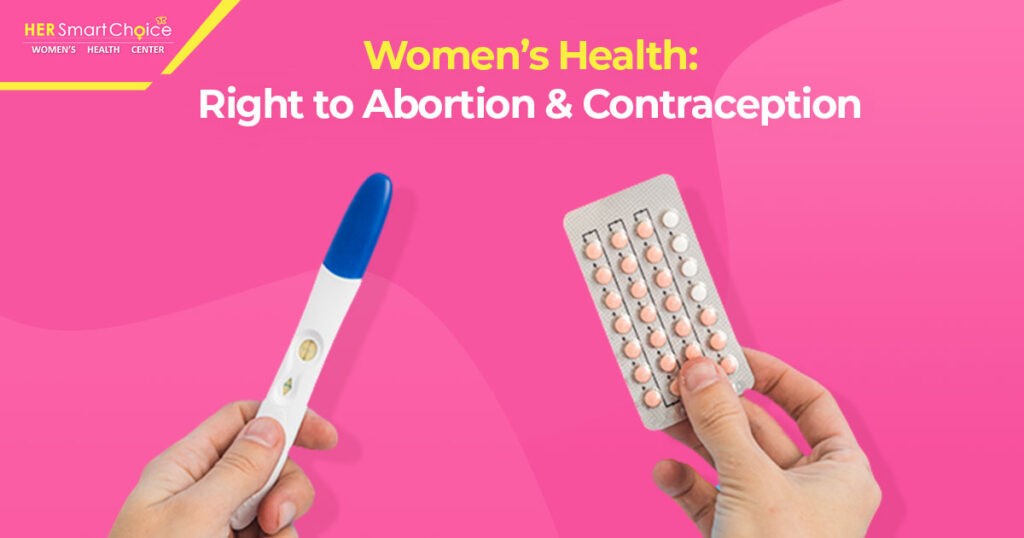
Women’s Health – Right to Abortion & Contraception

abortion and contraception

Motherhood becomes a choice for women nowadays. As time flees, it becomes more popular among women and the usage of contraception has continued to increase. Also, it puts a significant impact on women’s health. Contraception and safe abortion methods are related to physical, mental, and social well-being and save the lives of many women in the world from unintended pregnancy danger. Besides, these methods also increase child and infant survival rates.

The Right to Abortion and Contraception

  • Save Life – Unsafe abortions take the lives of thousands of women each year. The measurement of  Contraception depicts that it saves lives because one-fourth of pregnancies end in abortion worldwide.
  • Promotes Healthy Living – Rights to contraception and abortion help the women and girls who are not asked whether they want children or not. Even if they are unable to pursue a career or obtain the right education to support their large families.
  • Support Women’s Health Care – The choice of the above-mentioned methods transforms healthcare as they provide the ability for females to make choices. This support not only gives them physical strength but also empowers them with social and economic development. It allows people to access their rights while easing the strain of healthcare institutions.

Complex Relationship: Contraception and Abortion

Both terms are alternative means of preventing unplanned pregnancies and childbirths. So, it’s clear from the meaning of contraception that the populations who access it have a low frequency of abortion, whereas, the nations where the contraception is low have a high rate of abortion. Besides, reality is more complex and interesting.

Well, not all abortions are unplanned or unwelcomed pregnancies, the termination of pregnancies also follows the fetal abnormalities and risk to the mother’s life.

Summary: Contraception & Abortion are alternatives

To avoid unwanted childbearing, contraception, and abortion are considered the best but alternative ways. From the above-given information, you must realize one thing: the rise in one will lead to fall in the other.

But this connection is not as simple as it looks because of the influence of other factors. These also include how long you have a sexually active reproductive life; the number of children you desire or want. Yet, the research shows that countries with high usage of contraception will have low abortion rates and vice versa. For more details, reach out to a leading women’s health clinic, Her Smart Choice.

Read more...

How Late Can You Have An Abortion In California?

Is it legal to get a medical abortion in California or Is it a crime? All the appreciation goes to the Supreme Court’s landmark decision. They provide the legal right to women to make decisions about their own reproductive lives.

Besides, some states, including abortion clinics in California do place some restrictions on women to terminate a pregnancy. Collecting more details on abortion in California shows that it is legal only in some limited cases that we read about in the following paragraphs. But, there is no objection when it comes to protecting a woman’s life during a complicated pregnancy.

Follow Us!

Instagram

Facebook

LinkedIn

Yelp

Medical Abortion in California

Abortion is defined as a medical treatment that induces termination of pregnancy or to get rid of serious complications while producing a live birth. The abortion process has been legalized in the state since the second half of the 20th century. California is the very first state in the country that legalized abortion under Therapeutic Abortion Act. Yet, abortion would be allowed only if it seems harmful to a woman’s mental or physical health, otherwise the hospital committee would refuse the request.

As time flies, in the early 1970s, the only restriction on women was to get an abortion done under a doctor’s assistance in a hospital. Not only this but also the state continues to expand safety for abortion-seeking women.  At present, there are very few limitations on the woman’s abortion protection procedure.


Medical and Surgical Abortion

Concisely, abortion pills are consumed in the earliest weeks of pregnancy in medical abortion cases, whereas, surgical abortion is considered the most in California for safe and protective termination of pregnancy. Surgical abortion gives less pain and bleeding during the procedure as compared to medical abortion.

How late you can get an abortion entirely depends on your state’s law. However, in general:

  • You can use abortion pills up to 11 weeks after you miss your period.
  • In surgical or in-clinic abortion, you have a time of 24 weeks (or later in a few cases).


Do I Have An Abortion Right In California?

There is no doubt that pregnant women in California have the fundamental right to choose to have an abortion at the present time. You have no need to give a reason or medical justification. Also, this right of yours is protected under California’s constitution and state law.

After the point of viability, California limits abortions. In this situation, the physician determines on a medical faith judgment that there is no need for extraordinary medical measures. Further, abortions can only be performed if a physician determines that continuing pregnancy can risk the health and life of a pregnant woman.

However, the determinations are different person-to-person, their individuality and situation.


When Can Women Get An Abortion Treatment In An Abortion Clinic in California?

In California, women have the right to get an abortion in some cases that are mentioned below:

  • Firstly, she can get an abortion up until the fetus becomes viable.
  • Secondly, the fetus is viable between the 22nd and 24th weeks of gestation.
  • Thirdly, In the case of the threat of pregnancy, post-viability is also performed to save the mother’s life or health.


Is Abortion Legal For Minors In California?

Of course, it is legal for those under 18. Even minors don’t require any permission from their parents or guardian to terminate the pregnancy. However, the restrictions apply to minors who are not emancipated. In this situation, she must have to submit written consent from one of her parents or a court order in her favor.


What If I Am Not A California Resident…

There is no need to worry if you are not a native of California, you can come here to have an abortion. This state allows you to travel and receive an abortion here even if you live elsewhere. On the other hand, there are some states who may impose civil or criminal penalties against people for supporting this. California is always open for people who are seeking abortions even if they belong to a state or country that bans abortions.


Who Performs An Abortion In California?

abortion clinic California

If we see a decade back, women can get an abortion done only in a hospital by a licensed doctor. But, nowadays, things are changed, and abortions are handled legally by any medical professional in an abortion clinic in Los Angeles with specialized training and approval, including:

  • Physicians
  • Surgeons
  • Nurse-midwives
  • Physician Assistants
  • Nurse Practitioners


Can I use telehealth to get a medication abortion?

telehealth abortion provider

Yes, you can, but there may be some restrictions that you may have to follow to access the telehealth medication.

California health centers offer medication abortion for abortion and miscarriage care. You can get through telehealth or in-person.


What Kind of support can I request during an abortion in a disability situation?

People with disabilities have the right to get the support of another person to request reasonable accommodation during an abortion. In addition, individuals with hearing disabilities also have the right to request sign language interpreting or aids and services from abortion providers in California.


Connect With Her Smart Choice If You Need Any Legal Advice

In the above paragraphs, you may already get to know much about the abortion procedure in California. Still, if you have any questions about abortion law in California? Feel free to reach Her Smart Choice for an appropriate and clear consultation with our legal team. We know the sensitivity of this topic and will guide you accordingly about the rights you have and how you can proceed with them. Connect with us for more detailed information on a particular abortion case.

Follow Us!

Instagram

Facebook

LinkedIn

Yelp

FAQ

Does California have a gestational age abortion limit?

California does not have a gestational age abortion limit. Women can access abortion services at any point during their pregnancy, ensuring that they have the support and care they need throughout their reproductive choices.

Can I get an abortion at 25 weeks in the US?

The ability to obtain an abortion at 25 weeks in the US varies by state. In California, it is legal to have an abortion up to 24 weeks, with some exceptions for medical emergencies thereafter.

At what point is an abortion no longer legal?

Abortion is no longer legal in California after the fetus reaches viability, typically around 24 weeks of pregnancy, unless there are serious health risks to the woman or fetus.

What is the current abortion limit in California?

The current abortion limit in California allows for abortions to be performed up to the point of fetal viability, typically around 24 weeks of pregnancy, with no restrictions beyond that for the health of the mother.

What defines late-term abortion in California?

Late-term abortion in California is defined as an abortion performed after the 24th week of pregnancy, typically allowed only when necessary to protect the woman’s health or in cases of severe fetal abnormalities.

Read more...

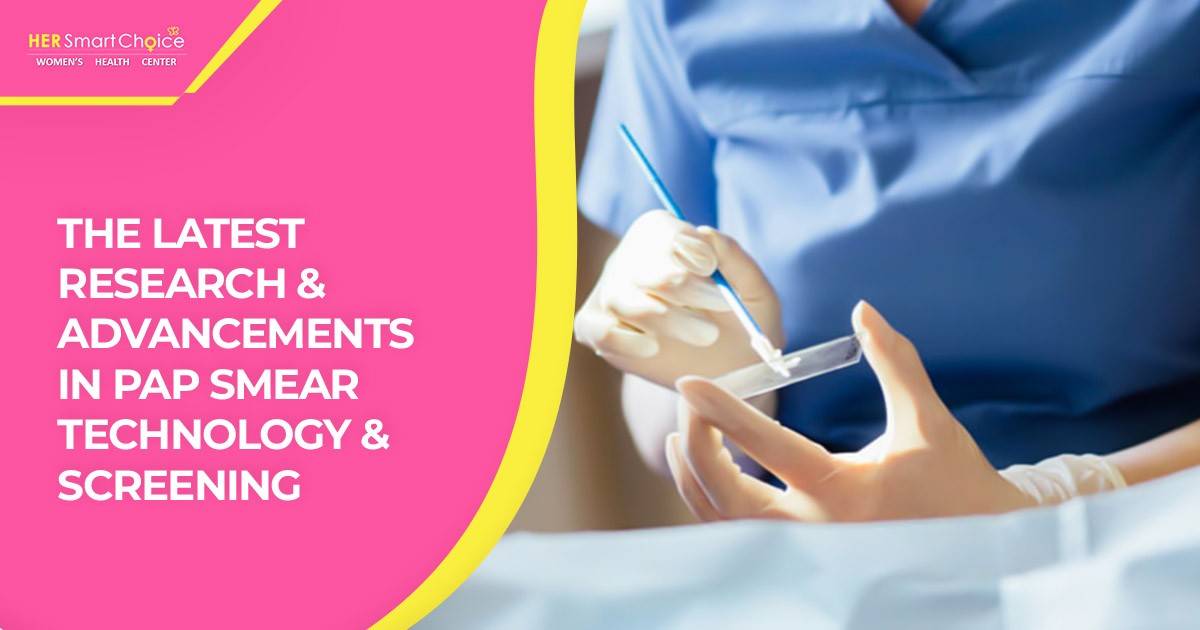
The Latest Research & Advancements in Pap Smear Technology

Over the years, medical technology has made significant strides in the detection and prevention of various health conditions. One such area of focus is the advancement of Pap smear technology and screening.

In this blog post, we will explore the latest advancements in Pap smear technology and screening, and how they are changing the landscape of women’s health.

An Overview

Pap smears have been a long-standing tool in women’s health, used for over 70 years to detect early signs of cervical cancer. 

However, advancements in technology and research have led to significant improvements in the accuracy and efficiency of Pap smear screening. 

One of the most significant developments in Pap smear technology is the shift towards a more personalized approach to screening.

Previously, women were recommended to have a Pap smear every three years starting at the age of 21.

However, research has shown that different women may require screening at different intervals. For instance, women who have a history of abnormal Pap smears may need to be screened more frequently, while women who have had a hysterectomy may not need to be screened at all.

By taking a personalized approach to screening, abortion clinics in California can ensure that each woman receives the appropriate level of care.

Thin Layer Technologies

Thin Layer Technologies

Traditionally, Pap smears were evaluated using a conventional method that involves examining a glass slide under a microscope.

However, this method can be time-consuming and may not always detect abnormal cells. Today, thin-layer technologies have been developed that can make the process more efficient and accurate.

Thin layer technologies involve collecting cells from the cervix and placing them in a liquid solution. The solution is then spread onto a slide, which is analyzed using automated equipment.

This method is more sensitive than the conventional method and can detect abnormal cells more easily.

Screening Automation

Screening Automation

With the rise of automation in healthcare, Pap smear screening has become more efficient and accurate.

Automated equipment can analyze Pap smear slides quickly and accurately, reducing the risk of human error. Automated equipment can detect abnormal cells more easily than traditional methods, allowing healthcare providers to catch potential problems earlier.

Automation has also allowed for increased standardization in screening, ensuring that all women receive the same level of care.

HPV Screening

HPV Screening

Human papillomavirus (HPV) is the most common sexually transmitted infection and is responsible for nearly all cases of cervical cancer. HPV testing has become an integral part of Pap smear screening, as it can detect the presence of the virus before abnormal cells have a chance to develop.

There are two types of HPV tests available: HPV DNA testing and HPV RNA testing.

Both tests are highly accurate and can detect the presence of the virus even when there are no symptoms. By incorporating HPV screening into Pap smear testing, women’s healthcare providers can identify women who are at higher risk for developing cervical cancer and provide them with appropriate care.

The use of computer-aided detection (CAD) technology has improved Pap smear screening by helping to identify abnormal cells that may have been missed by the human eye. CAD uses sophisticated algorithms to analyze Pap smear images, highlighting potential areas of concern for further evaluation.

Researchers are also exploring the potential of other biomarkers, such as DNA methylation and microRNA, as indicators of cervical cancer. These biomarkers may offer even greater sensitivity and specificity in detecting early signs of the disease.

In addition to technological advancements, changes in screening guidelines have also improved the efficacy of Pap smears.

The American Cancer Society now recommends that women begin receiving Pap smears at age 25 and undergo screening every three years until age 65, provided that previous tests have been normal.

This interval is longer than previous guidelines, reducing the number of unnecessary tests and increasing the efficiency of screening.

Final Verdict

The latest research and advancements in Pap smear technology and screening have revolutionized the way we detect and prevent cervical cancer. From liquid-based cytology to HPV testing, these new technologies have increased the accuracy and sensitivity of Pap smear tests, leading to earlier detection and better outcomes for patients.

With ongoing research and development in this field, we can expect further improvements in the coming years, bringing us closer to the goal of eradicating cervical cancer altogether. It is imperative that women continue to prioritize regular screenings and stay informed about the latest advancements in Pap smear technology to protect their health and well-being.

Read more...

The Surprising Connection: Birth Control Choices And Reproductive Health

When it comes to reproductive health, it is essential to understand the connection between birth control and its impact on our health. Birth control and reproductive health go hand-in-hand. 

From the various types of birth control available to the potential risks of using them, understanding the link between birth control and reproductive health can help us make informed decisions about our sexual health. 

Let’s explore the link between birth control and reproductive health, and what this means for us as individuals.


#1. Preventing unwanted pregnancies

pregnancy prevention

One of the most apparent benefits of birth control is that it helps prevent unwanted pregnancies. Unwanted pregnancies can have a significant impact on an individual’s life, affecting their education, career, and overall quality of life. 

By using the right type of birth control, individuals can avoid unwanted pregnancies and focus on their personal and professional goals. 

#2. Protecting against sexually transmitted infections (STIs)

std

Some types of birth control, such as abortion pills California and condoms, can provide protection against sexually transmitted infections (STIs). 

STIs can have severe consequences on an individual’s reproductive health, and it is crucial to use protection during sexual activity to prevent the spread of infections. 

#3. Regulating menstrual cycles

Regulating menstrual cycles

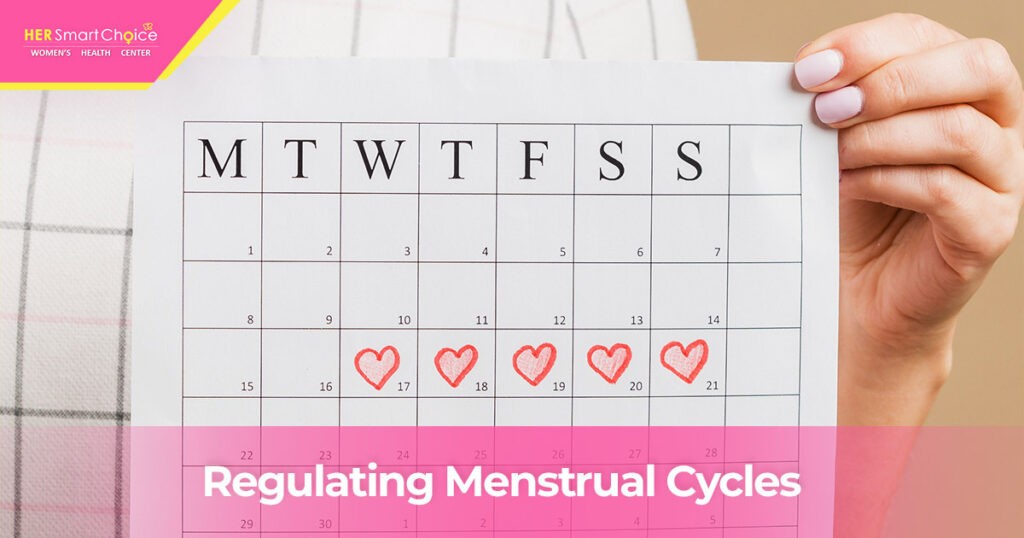
Some types of birth control, such as hormonal birth control, can help regulate menstrual cycles. Irregular menstrual cycles can be a sign of an underlying health condition, and it is essential to address the issue to maintain good reproductive health. 

#4. Reducing the risk of ovarian and endometrial cancer

Reducing the risk of ovarian and endometrial cancer
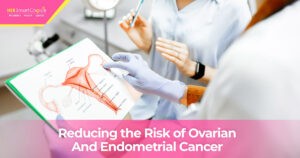
Some types of birth control, such as the birth control pill, can help reduce the risk of ovarian and endometrial cancer. 

These types of cancer are prevalent in women, and using the right type of birth control can help prevent them. 

#5. Improving overall reproductive health

reproductive health

Using the right type of birth control can have a significant impact on overall sexual health. It can help prevent unwanted pregnancies, protect against STIs, regulate menstrual cycles, and reduce the risk of ovarian and endometrial cancer. 

All of these factors contribute to good reproductive health, and it is crucial to choose the right type of birth control to maintain it.

Final Thoughts

In the modern era, birth control has enabled women to take greater control of their reproductive health, leading to an overall decrease in unplanned pregnancies, increased access to reproductive health care and services, and improved maternal and child health outcomes.

It’s important to carefully consider your birth control options, as they can have a significant impact on your reproductive health. While hormonal birth control may offer some benefits, it also comes with potential risks and side effects. It is also crucial to weigh the pros and cons and consult with your nearby abortion clinic to make an informed decision. Maintaining open communication with your partner and practicing safe sex can also play a role in promoting reproductive health.

Read more...
legal abortions

Legalizing Abortions: An Essential Step to Protect Women’s Rights

The debate around the legalization of abortions has been ongoing for decades, with passionate arguments made by both sides. It has been raging for decades and is one of the most hotly contested topics in the United States.

In the United States, abortion is legal in all fifty states, with some restrictions depending on the state.

But no matter which side of the argument you may find yourself on, it is undeniable that the legalization of abortions is important for many reasons, both legal and moral. 

The right to access abortion is a fundamental right that is protected by the Constitution, and it is a right that should be defended. Although some may argue that abortion should be illegal, there are numerous reasons why it should be legalized.

This blog will explore the importance of legalizing abortions, and why it is essential for the health and well-being of women and society as a whole.


Safe & legal means for women to terminate a pregnancy


pregnancy termination

Legalizing abortions would provide a safe and legal means for women to terminate a pregnancy. 

Without access to safe and legal abortions, many women are left to seek out dangerous and illegal means to terminate a pregnancy, which can lead to serious health complications for the woman. 

In addition, women may be forced to seek out services from an unqualified practitioner, which can lead to further complications. By legalizing abortions, women can terminate a pregnancy safely and legally, reducing the chances of serious health issues. 


Provide women with more control over their bodies


women health

Legalizing abortions would provide women with more control over their bodies. When abortions are illegal, women are often unable to make their own decisions regarding their reproductive health. 

This means that women are denied the right to make decisions about their bodies. 

By legalizing abortions, women are given the right to make decisions about their bodies, allowing them to have more control over their own lives. 


Reducing the number of unwanted pregnancies


unwanted pregnancy

Legalizing abortions would reduce the number of unwanted pregnancies. Unwanted pregnancies can lead to serious health and emotional issues for both the mother and the child. 

By legalizing abortions, women would be able to make informed decisions about their reproductive health, reducing the number of unwanted pregnancies and providing women with more control over their bodies. 


Help to reduce the stigma surrounding abortion


abortions

Legalizing abortions would help to reduce the stigma surrounding abortion. 

For many women, the stigma surrounding abortion can make it difficult for them to seek out health care or talk about their reproductive health. 

By legalizing abortions, women would be able to speak out openly about their reproductive health without fear of being judged or shamed. 


Our Take

The legalization of abortions is an important step that should be taken to protect the health and safety of women and to give them more control over their bodies. 

It is a right that should be defended and one that should be made available to all women, no matter their circumstances.


Final Verdict

In conclusion, the legalization of abortions is of utmost importance to protect the health, safety, and rights of women. It is essential to ensure that women have access to safe and legal abortions. 

This will also ensure that women have control over their reproductive health and that they can make informed decisions about their reproductive choices.  It will undoubtedly reduce the risk of unsafe and clandestine abortions, which can lead to serious health complications. All in all, legalizing abortions is an important step in fostering a society that respects and values the health and safety of women.


Read more...
telehealth abortion services

Revolutionizing Access to Abortion Care: Telehealth Brings Hope to Millions

The legalization of abortion in many countries has been an important step toward women’s rights and access to healthcare. 

However, many women still face significant barriers to accessing safe and affordable abortion care. Telehealth has been a game-changer in providing women with safe, private, and affordable abortion care. 

Through telehealth, women can access abortion care from the comfort and safety of their own homes, without having to worry about the stigma and judgment that often comes with seeking abortion care in person.


What is Telemedicine Abortion?


telemedicine abortion


Telemedicine abortion sometimes called medical abortion, is a type of care for ending a pregnancy. This form of care takes place completely online and does not require a visit to a physical health center. 

Instead, a patient communicates with her provider via teleconference, email, or text messaging. 

During the process, the patient will answer questions about her health, receive instructions on how to take the medications prescribed, and will check in with her telehealth abortion provider, throughout the process. 

The provider will also follow up with the patient after the procedure.


How Safe is Telemedicine Abortion?

Telemedicine abortion is a safe form of care, and the World Health Organization (WHO) and the American College of Obstetricians and Gynecologists (ACOG) have both stated that medical abortion is just as safe as standard medical abortion. 

Research has found that medical abortion is associated with fewer complications than surgery, and women who have medical abortions are more likely to be satisfied with their experience.


What is the Process Actually Like?

Telemedicine abortion is a simple process to follow and can be completed in the comfort of your own home. 

It involves a few steps, including a survey to assess your health, contact with your provider, the receipt and taking of the medication, and follow-up care.

  • Survey

The survey is an important step in the process and helps the provider understand your health and any risks associated with the procedure. The provider will ask questions about your medical history and current health, as well as any medications you are taking. 

This is also the time to ask questions about the procedure and the medications involved.

  • Delivery of the Medication

Once the survey is complete, the provider will contact you to provide further instructions. This may involve the delivery of the medication to you or inform you how to pick it up from a pharmacy. 

Once you have taken the medication, you will need to contact your provider to confirm that you have received and taken the medication.

  • Follow Up

Your provider will follow up with you to make sure you are doing well and answer any questions you have. 

This can involve a phone call or email, and your provider may even suggest an in-person follow-up appointment.


Finding a Telemedicine Abortion Provider


telehealth abortion provider


Choosing a telemedicine abortion is not as easy as it appears. 

  • It is important to check the laws in your state to make sure that the provider you are considering is offering legal telemedicine abortions. 
  • Your provider should be a licensed medical provider, and they should be able to provide you with all of the information you need to make an informed decision.


Final Verdict

We hope this has provided you with a better understanding of telemedicine abortion and how it can make it easier for some to access care. 

If you are considering this option, it is important to speak with a women’s healthcare provider who can answer all of your questions and determine if this is the right option for you.

Read more...
psychological effects of abortion

Psychological Effects of Abortion: Debunking the Myths

Abortion has been a controversial issue, both within society and the medical community, for decades. While the debate around the legality of abortion is an important one, there is an equally important discussion that needs to be had about the psychological effects of abortion on women and society.


These psychological effects can be both positive and negative and can have a lasting impact on individuals, families, and communities. 

In this blog post, we will explore the psychological effects of abortion on women and society and how they can manifest in different ways.

Abortion Myths Are Far-Reaching And Profound


abortion myths

From the short-term emotional and mental repercussions that women might experience to the long-term impact it can have on societal attitudes and perceptions, the psychological effects of abortion are both varied and complex.

Every woman’s experience is unique, and no two women may have the same reactions. Nevertheless, there are some common psychological effects of abortion that are important to mention.

It is believed that a woman who has had an abortion may experience a range of emotions, ranging from 

  • Guilt and shame to relief and sadness.
  • There is also often a feeling of loss and grief associated with abortion, as the woman may feel as though she has “lost” a potential child. 
  • Women who have undergone abortions may experience feelings of isolation and loneliness, especially if they feel as though they are not supported by those around them.


It is also believed that the psychological effects of abortion can have a profound impact on the way women view themselves and their society.


  • Women who have had an abortion may feel as though they are not worthy of love or respect from their peers or society at large.
  • Women who have had an abortion may be more likely to experience feelings of inadequacy and self-loathing, as well as feelings of worthlessness or guilt.


👉 “The Turnaway Study conducted at the University of California, San Francisco, shows that women experience harm from being denied a wanted abortion.* These findings have far-reaching implications for lawmakers, judges, health agencies and others as they consider policies that restrict abortion access.”


Debunking the Abortion Myths


busting abortion myths blog image

Regardless of these prevalent myths, research has shown that access to safe, legal abortion has widespread and lasting benefits for women, their families, and their communities.

  • Makes Women Decision Maker

Allowing women to make their own decisions regarding their reproductive health not only benefits them directly but also helps promote healthy families and communities.

The research is clear: When women have access to safe and legal abortion, they are more likely to complete their education, enter the workforce, and go on to become financially independent. 

As a result, they are more likely to experience greater economic stability and mobility, and to have healthier relationships with their partners and families.

  • Healthier Pregnancies in the Future

The research also shows that when women have access to safe and legal abortion, they are more likely to use contraception and to space their pregnancies, enabling them to have healthier pregnancies and healthier babies. 

This has positive implications for the health of both mother and child.

Access to safe and legal abortion improves the lives of entire communities. It helps to reduce poverty and improve public health, making communities safer and more economically stable. This is especially true in areas where access to contraception is limited, and where the cost of unsafe abortions can be prohibitive.

  • Positive Implications for the Environment

Research has also found that access to safe and legal abortion can have positive implications for the environment. 

By reducing the number of unwanted births, it helps reduce the impact of overpopulation on the planet’s resources, which in turn helps reduce the amount of greenhouse gas emissions and other environmental pollutants. 

Moreover, it helps decrease the need for resources like food, water, and energy, further contributing to a more sustainable future. Consequently, abortion not only helps improve the quality of life for women but also helps preserve the environment for future generations.

Final Verdict

In sum, it is clear that access to safe and legal abortion has widespread and lasting benefits. By allowing women to make their own decisions about their reproductive health, we not only benefit them directly but also help to promote healthier families and communities.

For more information, you can contact a women’s healthcare provider near you.


Read more...
Ovarian Cyst Symptoms

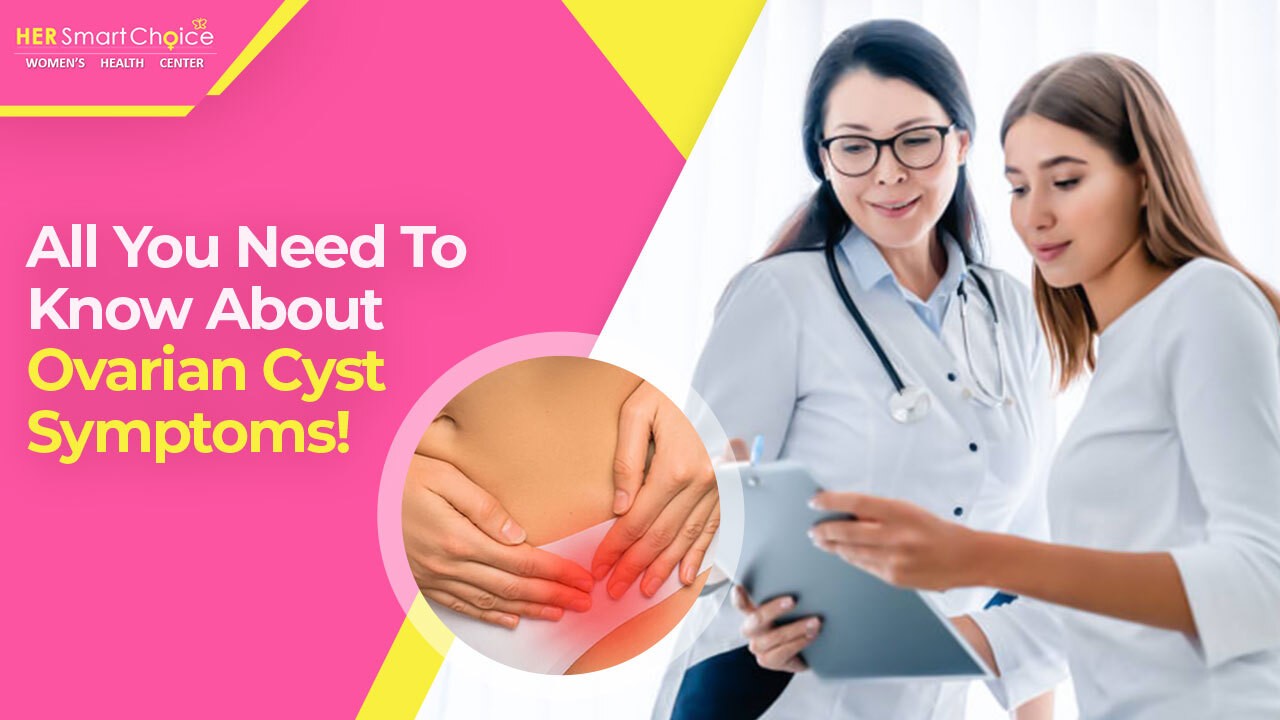
All You Need To Know About Ovarian Cyst Symptoms

If you are a woman, you know how many issues arise with regard to women’s health. One of the most common yet underdiagnosed conditions is ovarian cysts. An ovarian cyst is a fluid-filled sac that develops in one or both ovaries and can range in size from small pea-sized growths to much larger masses.


Although they are usually painless, they may still cause some discomfort due to their size and pressure on surrounding organs like the bladder or rectum. 


Here we will dive into deep to understand ovarian cyst symptoms as well as take an overview of what causes them, possible treatments available, and when it is recommended for further medical attention. 


So whether you have been recently diagnosed with an ovarian cyst, suspect that something isn’t quite right internally, or just simply want to educate yourself on the matter more – this blog post has got you covered.


Ovarian Cysts – What They Are?


Ovarian cysts are fluid-filled sacs in and around a woman’s ovary. They can range in size from small and unremarkable to large and painful, with many women remaining unaware of their presence entirely. 


Ovarian cysts usually occur as a result of shifting hormones during the menstrual cycle, such as when one of the two eggs released during ovulation does not fully mature before rupturing. Other causes may include changes that occur during pregnancy or the accumulation of endometriosis.


While most medical professionals agree that ovarian cysts generally do not lead to major complications, they can occasionally cause severe pain or pressure when they have grown too large or become twisted on themselves. 


Understanding the Symptoms of Ovarian Cysts


Women of childbearing age are especially prone to ovarian cysts, but understanding the symptoms can help catch these painful and potentially life-threatening growths early. 


  • Fullness or Heaviness


Common signs of ovarian cysts include fullness or heaviness in the abdomen, pain on one side during intercourse, and pelvic discomfort that may range from mild to severe. 


  • Persistent Bloating


Other less common symptoms could be persistent bloating, difficulty eating and sudden changes in appetite, constipation, abnormal vaginal bleeding, or a frequent need to urinate.


If any of these symptoms sound familiar it is important to see a doctor for a proper diagnosis.


Don’t wait! 


Early detection is the key to successful treatment and preventing future ovarian cyst recurrences.


Diagnosing & Treating Ovarian Cysts 


Diagnosing and treating ovarian cysts can be an emotionally trying experience as it is a potentially serious medical condition. 


It is important to speak with your healthcare provider to determine the necessary tests and treatments needed. Common tests such as ultrasound, laparoscopy, or a blood test are often used to diagnose ovarian cysts. Other more invasive procedures such as exploratory surgery and pep smear tests can be performed depending on the type and size of the cyst being treated. 


Treatment options vary based on diagnosis with some cysts requiring nothing more than observation while others necessitate more aggressive treatments like hormone therapy or surgery. 


Understanding your own unique case can help you make informed decisions regarding your health.


What Lifestyle Changes Can Help with Ovarian Cyst Symptoms


Living with ovarian cysts can be daunting, but making lifestyle changes can help alleviate the everyday symptoms associated with them. 


Those dealing with cysts should focus on maintaining a healthy weight by following a balanced diet and exercising regularly. 


  • Eating Plenty of Fruits and Vegetables


Eating plenty of fruits and vegetables while limiting or avoiding empty calories is key, as well as planning regular physical activities like walking or jogging to keep muscles toned and joints flexible. 


Reducing stress through relaxation techniques like yoga or meditation can help balance hormone levels. 


  • Focus on Getting Enough Sleep


It may be beneficial to focus on getting enough sleep each night to ensure that your body has the energy to naturally heal itself from any irritation caused by ovarian cysts. 


Taking these steps will likely improve the quality of life for those struggling with ovarian cysts.


When to See a Doctor for Your Symptoms


In many cases, trying home remedies such as rest, exercise, and eating right can help our body heal itself. However, there are times when seeking medical help is the best solution. If you have an infection or skin conditions that spread, resume after a few days, or persist for more than two weeks, it’s important to check in with a doctor. 


If any of your symptoms worsen over time- shortness of breath, chest pains, or numbness in limbs- immediately contact your women’s healthcare provider.


Do not hesitate to get evaluated if any concerning signs crop up like disorientation, weakness on one side of the body, or blurring of vision. Seeing a doctor sooner rather than later can help prevent complications from arising and avoid any long-term issues related to neglecting one’s health.


Final Verdict


Women should talk to their nearby women’s health clinic to determine the best course of treatment for any ovarian cyst concerns they may have.


A combination of self-care measures and professional medical advice can help women identify what is causing their symptoms and find a treatment plan that works for them.

Read more...
about ectopic pregnancy

5 Things to Know About Ectopic Pregnancy

Ectopic pregnancy is a serious complication that can occur during pregnancy. This pregnancy occurs when the fertilized egg becomes implanted in the fallopian tube, instead of the uterus. 


While ectopic pregnancies are relatively rare, they can be life-threatening if left untreated. 


Here are 7 things you should know about ectopic pregnancy:


Ectopic Pregnancy can happen in the fallopian tubes, ovaries, or, abdominal cavity

Fallopian tubes, ovaries, and the abdominal cavity are all vulnerable to a variety of conditions that can be more serious than we often realize. If left untreated, these conditions can cause permanent damage to organs within these structures. From issues like ovarian cysts, fibroids, and cancer, it is vitally important for women to take proactive measures in ensuring their health. 


Regular exams, routine scans, and self-checkups provide early warning opportunities that prevent any of these maladies from reaching dangerous levels. 


Thankfully with early detection and modern treatments, many of these issues can be dealt with efficiently and effectively.

Ectopic pregnancy can be dangerous for both the mother and the baby


Ectopic pregnancy is a dangerous condition both for the mother and the baby, as it occurs when the fertilized egg implants itself in areas other than the uterus. This type of pregnancy can lead to serious medical complications, such as bleeding, pelvic inflammatory disease, and tubal rupture. 


In extreme cases, ectopic pregnancies can be fatal for both mother and child. Although it is possible to treat an ectopic pregnancy by removing it in some cases, appropriate medical care must be sought early on to ensure that both parties remain safe.


Symptoms include pelvic pain, spotting, and sometimes shoulder pain

Pelvic pain accompanied by spotting can indicate a variety of conditions, many of which women experience at one point or another. Though these symptoms may not always be dangerous, it is advisable to seek medical attention if they persist for more than a few days.


Symptoms of ectopic pregnancy include abdominal pain, nausea, heavy vaginal bleeding, shoulder pain, and fainting – so it’s essential for women to pay attention to any unusual sensations in their body during pregnancy and to contact a physician as soon as possible if something feels off. 


It is also important to note that some individuals have reported experiencing shoulder pain alongside pelvic pain and spotting. If this is the case, it could signify a condition that requires more extensive medical treatment.


Early detection gives expectant mothers a much better chance at healthily carrying their baby to term.


Regardless of the severity of the symptoms, discussing them with a nearby women’s health clinic is the safest way to ensure your well-being and physical health.

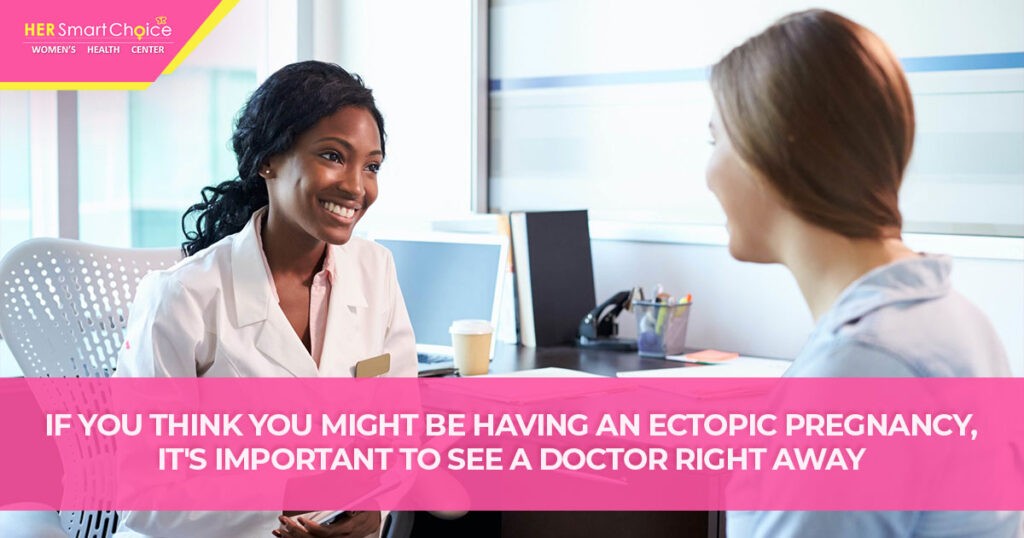
If you think you might be having an ectopic pregnancy, it’s important to see a doctor right away


consulting doctor about ectopic pregnancy

Getting pregnant can be an exciting and nerve-wracking experience all at the same time. But if you suddenly begin to experience symptoms of ectopic pregnancy such as intense abdominal pain, vaginal bleeding, low back pain, dizziness, or fainting, it is essential to see a doctor right away. 


An ectopic pregnancy occurs when the embryo implants outside of the uterus — commonly in one of the fallopian tubes — and requires medical treatment sooner rather than later. 


Therefore, it is important for expectant mothers to pay attention to their bodies and contact a doctor immediately if they believe they may be having an ectopic pregnancy.

Treatment usually involves surgery to remove the embryo or terminate the pregnancy


Treatment for ectopic pregnancy usually involves surgery, either to remove the embryo or to terminate the pregnancy. 


It is not an easy decision, which can be emotionally and mentally draining for some.


Final Verdict


It is important for women to remember that no matter what she chooses, it is their right and they should make sure she has access to clear information about all of their options so they can make the best choice for themselves.

Read more...
Safe Convenient Affordable Abortion Pills from Her Smart Choice, women's health center abortionabortion provider abortion pillsbirth controlfamily planning servicesGynecological ServicesUrogynecologyInfertilitypap teststd testingIUDSsurgical abortionMedication abortionwomen's health clinicabortion provider Her Smart Choice - Abortion Clinic and Gynecologist in Greater Los Angeles $50 - 1200 Price Range: $$$ 213-344-0267 2226 E Cesar Chavez Avenue, Los Angeles Her Smart Choice - Abortion Clinic and Gynecologist in Greater Los Angeles
2226 E Cesar Chavez Avenue, Los Angeles, CA 90033 213-344-0267 213-372-0307
icon Abortion medical abortionabortion consultationabortion - unwanted pregnancyabortion care
2226 E Cesar Chavez Avenue, Los Angeles, CA 90033 213-344-0267 213-372-0307
abortionabortion provider abortion pillsbirth controlfamily planning servicesGynecological ServicesUrogynecologyInfertilitypap teststd testingIUDSsurgical abortionMedication abortionwomen's health clinicabortion providerObstetrician & Gynecologist
Dr. Vikra Kothandaraman(866)392-1853 doctor.com/Dr-Vikram-Kothandaraman

Phone: (866)392-1853

2226 E Cesar Chavez Avenue, Los Angeles, CA 90033 866-392-1853 866-392-1853
2226 E Cesar Chavez Avenue, Los Angeles 866-392-1853 $75 - 1500 Price Range: $$$ $150.00 physician doctor