CATEGORY

abortion clinic

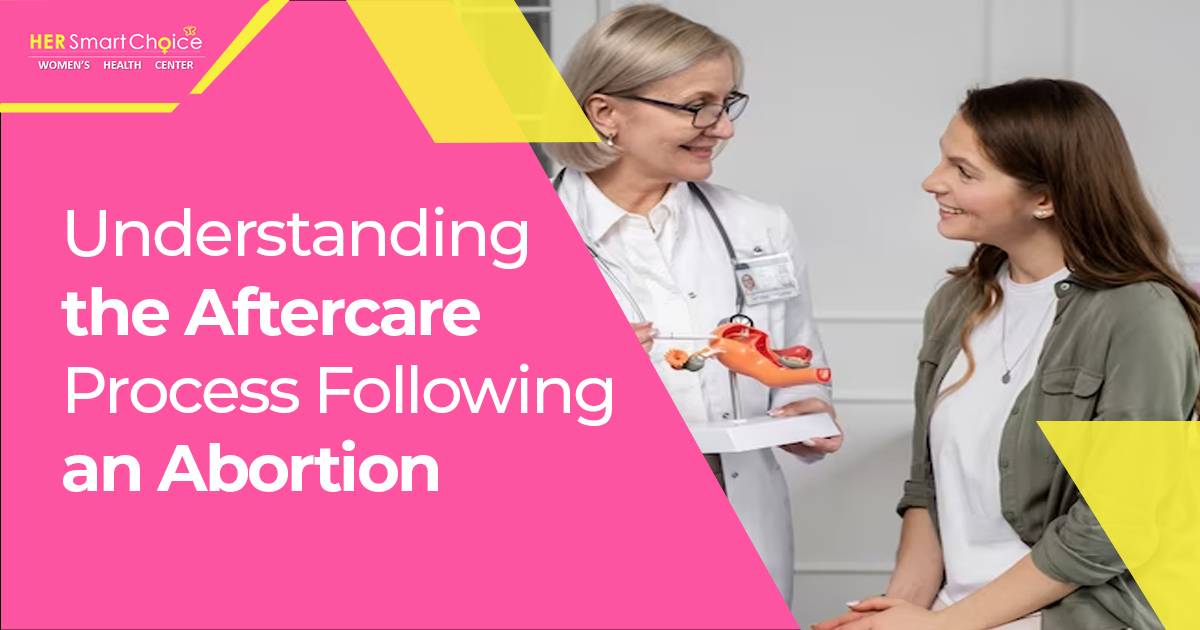
Understanding the Aftercare Process Following an Abortion

An abortion is a significant and often complex decision for anyone. The process doesn’t end when the procedure is over; instead, it marks the beginning of the road to recovery and aftercare. Let’s make it easy to understand and get useful info about taking care of yourself after an abortion. Whether you’re considering an abortion, have just had one, or are supporting someone through it understand the physical and emotional aspects of post-abortion care.  


Know The Distinct Aspects Of Post-Abortion Care
abortion clinic


The Initial Moments


After the abortion, you’ll rest for a bit in a special area. Here, medical professionals will monitor your vital signs, ensuring you are stable and recovering well. Depending on the type of post-abortion care , you may experience symptoms such as cramping, bleeding, and nausea. It’s entirely normal, and healthcare providers are there to help manage any discomfort.


Physical Recovery


Bleeding: After an abortion, bleeding is common. It might feel like a really heavy period, and the bleeding could go on for a few days or even a few weeks. Using pads instead of tampons is recommended to reduce the risk of infection.


Pain and Cramping: Some level of pain and cramping is typical. If you feel pain, the doctor may give you medicine to help.


Rest: Rest is crucial. You should avoid strenuous physical activities or exercise, at least for a week or until your healthcare provider gives you the green light.


Emotional Well-being


Mixed Feelings: It’s entirely normal to experience a range of emotions following an abortion. You may feel relieved, sad, or a mix of both. It’s important to understand and deal with your feelings.


Support System: Reach out to your support system, whether it’s friends, family, or a mental health professional. Talking about how you feel can really help you heal.


Contraception


If you don’t want to become pregnant in the immediate future, discuss contraception options with your healthcare provider. They can help you find the best method to suit your needs.


Follow-up Appointment


Your healthcare provider may schedule a follow-up appointment. The follow-up appointment is a chance to check if you’re getting better and you can ask any questions in this meet.


Possible Complications


Complications are rare, but it’s good to know the signs just in case. If you experience heavy bleeding, severe pain, or signs of infection (such as fever or chills), seek medical attention promptly.


What are typically post-abortion infections present?
abortion clinic

Post abortion clinic infections, although relatively rare, can occur and require prompt medical attention to prevent complications. These infections often result from bacteria entering the uterus during or after the abortion procedure. It’s crucial to be aware of the potential signs of infection to seek timely medical care.


Common Post-Abortion Infections:


Endometritis:


  • Symptoms: Fever, abdominal pain, uterine tenderness.
  • Cause: Infection of the uterine lining (endometrium).
  • Treatment: Antibiotics are typically prescribed.


Pelvic Inflammatory Disease (PID):


  • Symptoms: Lower abdominal pain, fever, abnormal vaginal discharge.
  • Cause: Infection of the reproductive organs.
  • Treatment: Antibiotics, and in severe cases, hospitalization may be required.


Bacterial Vaginosis (BV):

  • Symptoms: Unusual vaginal discharge, itching, and odor.
  • Cause: Imbalance in vaginal bacteria.
  • Treatment: Antibiotics or antimicrobial medications.


Septic Abortion:

  • Symptoms: High fever, abdominal pain, heavy bleeding.
  • Cause: Infection that spreads to the bloodstream.
  • Treatment: Hospitalization and immediate administration of antibiotics.


Preventing Infections


To minimize the risk of post-abortion infections, healthcare providers take precautions during the procedure, such as using sterile instruments and providing antibiotics. Additionally, following proper aftercare instructions, including abstaining from sexual activity and avoiding tampons, can help prevent infections.


Seeking Medical Attention


If any signs of infection arise, such as persistent fever, severe abdominal pain, or unusual discharge, it is crucial to seek prompt medical attention. Timely treatment can prevent the infection from spreading and causing more serious complications.


Final Thoughts


Understanding what to expect during the aftercare process following an abortion is crucial for a smooth recovery. Remember that every person’s experience is unique, and it’s okay to seek support and guidance during this time. Your healthcare provider is there to address your concerns and ensure you’re on the path to recovery. Take your time to think about your feelings, and remember that your loved ones are here to help you during your recovery.
Read more...
Abortion in California

Exploring Abortion Methods: Pros and Cons for Informed Choices

Pregnancy is a complex topic to debate, especially unplanned ones as it can be more challenging. In this situation, one must be aware of the different abortion methods available, as each has its own set of pros and cons. If you’re navigating abortion in California, understanding these options is crucial for an informed decision that aligns with your unique circumstances. Let’s have a look at the various abortion methods, their advantages and disadvantages, and help you make an informed choice depending on your lifestyle.


The Benefits And Drawbacks Of Abortion Methods 

Abortion in California

I. Medical Abortion


How does a medical abortion work  Medical abortion in california sometimes called the abortion pill, is a non-invasive way to end a pregnancy in the early stages, usually up to ten weeks. It includes taking two medicines: mifepristone and misoprostol. Here are the pros and cons:


Pros:


  • Non-surgical: No invasive procedures, anesthesia, or surgery are involved.
  • Privacy: You can take the pill in the comfort of your home or a medical facility.
  • Early use: Available in the earliest stages of pregnancy.
  • Natural process: Resembles a miscarriage and allows you to be in a familiar environment. 


Cons:


  • Timeliness: Must be administered within a specific timeframe (usually up to ten weeks).
  • Effectiveness: May not be as effective in the later stages of pregnancy.
  • Follow-up visits: Requires follow-up appointments with a healthcare provider.
  • Heavy bleeding: This can result in heavy bleeding and cramping. 


II. Aspiration Abortion


Aspiration abortion, or suction abortion, is a common surgical method used in the first six to 16 weeks of pregnancy. Here are the pros and cons:


Pros:


  • Quick procedure: Usually takes only a few minutes to complete.
  • High success rate: Highly effective for early to mid-stage pregnancies.
  • Anesthesia: Local or general anesthesia can be used for comfort.
  • Single visit: Often completed in one appointment.


Cons:


  • Invasive: Involves a minor surgical procedure.
  • Clinic visit: Requires a visit to a healthcare facility.
  • Limited time frame: This may not be an option for very early or late pregnancies.
  • Recovery: This may involve some cramping and bleeding afterward.

III. Dilation and Evacuation (D&E)


D&E is a surgical method typically used for pregnancies beyond 16 weeks. It involves the removal of the pregnancy using suction and medical instruments. Here are the pros and cons:


Pros:


  • Suitable for later pregnancies: Effective for pregnancies beyond the first trimester.
  • Anesthesia: Available for pain management during the procedure.
  • High success rate: Proven to be effective and safe.


Cons:


  • Invasive: A surgical procedure that requires a clinic visit.
  • Limited providers: Not all healthcare facilities offer D&E.
  • Later stage: Only an option for pregnancies beyond 16 weeks.
  • Recovery: This may involve more significant cramping and bleeding.


IV. Induction Abortion


Induction abortion in california is used for later pregnancies, typically after 20 weeks. It involves the induction of labor to terminate the pregnancy. Here are the pros and cons:


Pros:


  • Later-stage option: Suitable for pregnancies beyond 20 weeks.
  • Controlled environment: Takes place in a healthcare facility with medical supervision.


Cons:


  • Invasive: Involves the induction of labor and is more like giving birth.
  • Limited availability: Not all facilities provide this method.
  • Emotional process: This can be emotionally challenging, similar to a stillbirth.
  • Longer procedure: Typically takes longer compared to other methods.


Summing Up


When facing an unplanned pregnancy, it’s essential to consider your options carefully. Each abortion method has its pros and cons, and the right choice depends on your specific circumstances, including the stage of pregnancy and your physical and emotional needs. Seeking guidance from a healthcare professional and a supportive network can help you make an informed decision. Remember that your choice should align with what you believe is best for your well-being and future.

Read more...

The Role of Counseling in the Abortion Decision-Making Process

Deciding whether or not to have an abortion is a very complicated and personal choice. During this decision-making process, counseling, especially in the context of an abortion clinic, plays a crucial role in providing support, information, and a safe space for individuals to explore their feelings and make informed decisions. Let’s delve into the significance of counseling in the abortion decision-making journey, emphasizing simplicity and understanding.


Understand How Do The Abortion Works

Explore the importance of counseling in the abortion decision journey. Our clinic offers support, information, and a safe space for informed choices. Delve into simplicity and understanding with us."You may be aware that abortion offers two options in which medical procedures are one of the finest options to end a pregnancy. Well, you can select different types of abortions that are available, and the choice depends on various factors, such as health, environment, etc.
 

Emotions and Abortion

The feeling of a mix of emotions inside is normal during the tough hours of making an abortion decision. As it involves numerous queries about health and society. Further, counseling helps individuals understand and process these emotions.


Supportive Environment

Counseling creates a safe and supportive space to express feelings without judgment. You can also discuss emotions with a counselor. It can be a helpful step in the decision-making journey.


The Role of Counseling In Abortion’s Decision

abortion clinicThe counselors at this women’s health clinic in Los Angeles are doing an amazing job helping women make informed decisions about abortion. They provide straightforward info about the procedure, possible risks, and the choices available.

Knowing the facts is key to making the right decision on time. If you’re in Los Angeles and looking for guidance on women’s health, this clinic has your back with the support and info you need.


Exploring Personal Values and Beliefs

Counselors with expertise help individuals reflect their values and beliefs regarding abortion. Besides, making an informed decision about abortion involves an extensive list of key factors that depict personalized values. However, discussing personal values ensures decisions align with individual perspectives.


Informed Decision Making

Counselors guide individuals through a process of informed decision-making while going through abortion thoughts.

They help women explore the pros and cons of each option and allow them to make choices concerned with personal circumstances.


Exploring Alternatives

Counselors discuss various alternatives, such as parenting and adoption, allowing individuals to consider all possibilities. Also, if you and your partner are confused about family planning center Los Angeles, the counselor can help you better in making an informed decision that is good for your future as well


Addressing Fears and Concerns

Counselors help individuals voice and address fears or concerns related to the abortion decision.

Open communication aids in easing anxieties and fostering a sense of control.


Post-Decision Support

After making a decision, counselors provide coping strategies to manage emotions and potential challenges.

Supportive guidance ensures individuals feel equipped to navigate the next steps.


Follow-Up Sessions

Counseling doesn’t end with the decision after testing and exams during abortion, but regular visits and updates are also essential. Follow-up sessions offer ongoing support and address any evolving emotions or concerns. 


The Importance of Confidentiality

Confidentiality is a cornerstone of counseling, creating a safe environment for open communication. Knowing that conversations are private encourages individuals to share openly. This way the decision of abortion gets more clarity before performing the procedure. Also, the more the provider knows about your health and thoughts, the better advice they can offer you. 


Seeking Counseling Support

Our abortion clinics offer counseling services, making them accessible to those in need. So, seeking counseling support is a proactive step in the decision-making process. They can help you understand every little aspect of your current situation.


Summing Up

In the journey of deciding whether to have an abortion clinic, counseling serves as a guiding light, offering support, information, and a non-judgmental space for individuals to explore their emotions and make informed decisions. Choosing to seek counseling is a brave step that empowers individuals to navigate their unique paths with understanding and support. Remember, you’re not alone, and there are resources available to assist you in making the decision that feels right for you.

Read more...
medical abortion pills Los Angeles

Is It Safe To Take Plan B After An Abortion?

The complexity comes with the abortion decision as it is deeply personal and can come with its own set of concerns and questions. One concern that arises among women is whether taking emergency contraception like Plan B is safe or not. Moreover, if you are looking for medical abortion pills in Los Angeles then you can receive free abortion pills from Her Smart Choice. Let’s explore more to address your concerns and provide clarity. Further, you may also learn the safe way of using Plan B after an abortion and when it is necessary to use it. 


What Do You Mean By Plan B And How It Works?

Before we go into detail about whether it’s safe to use Plan B after an abortion, let’s understand what Plan B is and how it works. Plan B is a type of emergency contraception, often referred to as the “morning-after pill.” It’s designed to prevent pregnancy when taken within a specific timeframe after unprotected intercourse or contraceptive failure. Plan B primarily works by delaying or preventing ovulation, the release of an egg from the ovaries. 


Considered Safety Measurements of Plan B After an Abortion

free abortion pillsNow, let’s address the main question: Is it safe to take Plan B after an abortion? The answer is generally yes, but there are a few important considerations that you need to know:


 

Timing Matters: Plan B is intended for use after unprotected sex or contraceptive failure. It may not be necessary after a surgical abortion in California or when using medical abortion pills prescribed by a healthcare provider.


Medical Advice: Before taking Plan B after an abortion, it’s essential to consult with your healthcare provider. They have the expertise to offer tailored advice according to your particular circumstances.


Potential Overlap: In some cases, a woman might be uncertain about the success of a medical abortion or whether the procedure was effective. If there’s any doubt or concern about a potential ongoing pregnancy, your healthcare provider can advise on whether Plan B is appropriate.


Medication Interaction: If you’re already taking prescribed medications as part of the abortion process, it’s crucial to discuss potential interactions with Plan B with your healthcare provider.


When Might Plan B Be Necessary After an Abortion?

medical abortion pills Los Angeles

There are specific scenarios where a woman might consider taking Plan B after an abortion:


Missed Dose: If you’re using free abortion pills, following the prescribed regimen is essential for effectiveness. Missing a dose or not taking the medication as directed might raise concerns about the abortion’s success.


Contraceptive Failure: If you had unprotected intercourse shortly after an abortion, experienced a condom break, or had any other contraceptive failure, Plan B might be a suitable option to prevent unintended pregnancy.


Uncertainty: In some cases, a woman may be unsure whether the abortion was successful. This uncertainty can lead to anxiety about a potential ongoing pregnancy.


Consult Your Healthcare Provider


While Plan B can be a helpful option to prevent pregnancy after unprotected sex or contraceptive failure, it’s crucial to consult your healthcare provider for guidance. They can evaluate your unique circumstances and offer personalized guidance. Here are some steps to keep in mind:


Discuss Your Concerns: Openly share your concerns with your healthcare provider. They can help you determine whether Plan B is necessary based on your situation.


Timing: Consider the timing of your abortion and the potential need for emergency contraception. Your healthcare provider can advise on when it’s appropriate to take Plan B.


Medication Interaction: If you’re currently taking medications as part of your abortion process, inquire about any potential interactions with Plan B.


Follow-Up: After taking Plan B, it’s essential to follow up with your healthcare provider to ensure your health and well-being. They can address any concerns or questions that may arise.


Briefing 

Overall, the decision to take Plan B after an abortion is a case-by-case consideration. While it can be a safe and effective option to prevent unintended pregnancy, it’s essential to consult your healthcare provider for personalized guidance. 


Your provider can assess your specific situation and provide recommendations that prioritize your health and well-being. Remember, your healthcare provider is there to support you, answer your questions, and ensure you receive the right care.

Read more...
medical abortion pills in Los Angeles

Is It Safe To Use Abortion Pills For Anemic Women?

Anemia is a condition where a person has a low count of healthy red blood cells. This can make some women worry if they can use abortion pills safely. We’re here to answer your questions and provide information about medical abortion, especially for women in Los Angeles. Let’s discuss if abortion pills are safe for anemic women and explore the option of using Misoprostol alone for terminating a 4-week pregnancy.


Understanding Medical Abortion Pills in Los Angeles

medical abortion pills in Los Angeles

Medical abortion is a secure and efficient method to terminate a pregnancy. It typically involves the use of two medications: Mifepristone and Misoprostol. Mifepristone is usually taken at a clinic, and Misoprostol can be taken at home, 24 to 48 hours later. This combination is successful in terminating a pregnancy in most cases.


In Los Angeles, medical abortion services are available in various clinics, and some organizations may provide free abortion pills to those who meet certain criteria. However, it’s crucial to consult a healthcare provider to ensure safety and suitability for the procedure. 


Can Anemic Women Use Abortion Pills Safely?

medical abortion pills in Los Angeles

Now, let’s address the concern of anemic women and the safety of using abortion pills. Anemia can make a woman’s body weaker due to the reduced number of red blood cells. It might lead to symptoms like fatigue, weakness, and shortness of breath. These concerns can make some women hesitant about using abortion pills. 


The safety of using abortion pills for anemic women depends on the severity of the condition and the individual’s overall health. Here are some factors to consider:


  1. Severity of Anemia: Anemia can vary in severity. Mild cases may not pose a significant risk when using abortion pills, but severe anemia could be a concern. It’s essential for anemic women to consult a healthcare provider who can evaluate their condition and determine the best course of action.


  1. Overall Health: The general health of the woman is a crucial factor. If she is otherwise healthy and her anemia is well-managed, using abortion pills might be safe. However, if there are other health issues present, they should be taken into account. 


  1. Monitoring and Support: Anemic women using abortion pills should be closely monitored by healthcare providers. This includes regular check-ups, blood tests, and access to medical care in case of complications.


?

It’s also worth discussing the possibility of using Misoprostol alone to terminate a 4-week pregnancy. In some cases, this can be a safe and effective option, particularly when access to Mifepristone is limited or restricted. Misoprostol is a medication that can induce uterine contractions and is commonly used in medical abortions.


Studies have shown that Misoprostol alone can successfully terminate early pregnancies, but its effectiveness may vary. The success rate tends to decrease as the pregnancy progresses. In a 4-week pregnancy, the success rate is generally higher than in later stages.


Using Misoprostol alone for abortion is a medical procedure that should be done under the guidance of a healthcare provider. They can provide the necessary information and support, including dosing instructions and what to expect during the process.


Consulting a Healthcare Provider is Crucial

To be precise, the safety of using abortion pills for anemic women depends on individual health and the severity of anemia. It is essential to consult a healthcare provider who can assess the specific situation and provide guidance on the best course of action. They can help determine whether the full medical abortion regimen or the use of Misoprostol alone is the most appropriate option for a 4-week pregnancy.


Access to medical abortion services in Los Angeles is available, and some organizations, like Her Smart Choice, offer free abortion pills for eligible individuals. Remember that seeking professional medical advice and care is crucial to ensure a safe and successful abortion procedure. Still, if you are perplexed, feel free to reach us!

Read more...
is it legal to abort in Los Angeles

Can You Abort Twins?

The decision to terminate a pregnancy is a deeply personal and sensitive matter. Generally, many individual have this question in their mind is full-term abortion legal in California? This will be explained further for you to understand the term better. 


However, when it comes to the possibility of aborting twins, it’s important to understand the various factors involved and the available options. Let’s explore the question of whether it is possible to abort twins and provide insights into the considerations that may influence such a decision.


All You Need to Know About Abortion Laws in California

California is known for having relatively liberal abortion laws compared to some other states in the US. The Supreme Court ruling in Roe v. Wade in 1973 established a woman’s constitutional right to terminate a pregnancy. However, individual states still have the authority to regulate and impose restrictions on abortion within certain limits. In California, the right to access abortion services is protected by state law.


Legal Grounds for Abortion in California

is full term abortion legal in californiaIn California, is full term abortion legal in california a woman has the right to choose to have an abortion for any reason before the fetus reaches viability, which is usually around 24 weeks of pregnancy. Beyond that point, abortions are generally only performed in cases where the mother’s life or health is at risk, or if there is a severe fetal anomaly. However, it’s crucial to consult with a healthcare provider to understand the specific circumstances and requirements for obtaining an abortion. 


Aborting Twins in Los Angeles

When it comes to aborting twins, the same legal principles apply as with any other pregnancy in California. If a woman finds herself pregnant with twins and wishes to terminate the pregnancy, she has the right to do so within the legal timeframe, typically up to 24 weeks. However, it’s essential to consult with a healthcare provider to discuss the available options, potential risks, and any specific considerations related to the twin pregnancy.


Full-Term Abortion in California

is full term abortion legal in californiaFull-term abortion refers to the termination of a pregnancy at or near the point of fetal viability, which is generally considered to be around 24 weeks or later. In California, full-term abortions are only permitted in cases where the mother’s life or health is at risk, or if there is a severe fetal anomaly that would significantly impact the baby’s quality of life. These decisions are made on a case-by-case basis and require careful medical evaluation and consultation.



 is it legal to abort in Los Angeles?

Los Angeles, being a metropolitan area, offers a range of healthcare facilities and providers that offer abortion services. However, it’s important to note that while the right to access abortion services is protected by law, certain practical barriers, such as the availability of providers, cost, and transportation, can sometimes affect a person’s ability to access these services. It’s advisable to reach out to local clinics, Planned Parenthood centers, or healthcare providers to inquire about the availability of abortion services in Los Angeles.


Final Thoughts

In Los Angeles, California, a woman has the legal right to terminate a twin pregnancy within the established timeframe, usually up to 24 weeks. The decision to undergo an abortion is deeply personal and should be made in consultation with healthcare professionals who can provide accurate information, guidance, and support.

It’s crucial to stay informed about the current laws and regulations as they may change and to consider accessing abortion services in a timely and safe manner.

Read more...

When Do You Get Your Period After An Abortion?

There is a wide range of factors that come under the influence of abortion, and one of them is the menstrual cycle. Most women ask this common question,’ When do I get my period after an abortion?’ 

To understand in detail, let’s explore the factors that influence the timing of your menstrual cycle’s return, whether you’ve had a surgical abortion in California, a medical abortion in California, or opted for other abortion methods. You may also get to know what to expect after taking misoprostol, a medication commonly used in medical abortions. 

Follow Us!

Instagram

Facebook

Linkedin

Yelp

The Basics of Post-Abortion Menstrual Cycle

medical abortion CaliforniaBefore we dive into the specifics of post-abortion menstruation, let’s refresh our understanding of the menstrual cycle.
The typical menstrual cycle lasts approximately 28 days, although it can range from 21 to 35 days in adults. In teenagers, the cycle can be shorter, with irregular periods often being normal. With the first day of your period, the menstrual cycle begins and it ends near the first day of your next period; overall it takes a month.


The Menstrual Cycle Has Two Main Phases

medical abortion CaliforniaFollicular Phase: This phase begins on the first day of your period and can last around two weeks. During this time, the pituitary gland in the brain releases follicle-stimulating hormone (FSH), which triggers the ovaries to produce a mature egg.

 

Luteal Phase: After ovulation, the luteal phase begins and typically lasts for around two weeks. The corpus luteum, a temporary endocrine structure in the ovaries, releases progesterone, preparing the uterus for a possible pregnancy.


If fertilization doesn’t occur, the corpus luteum breaks down, progesterone levels drop, and menstruation begins, marking the start of a new cycle.


The Impact of Abortion on Your Menstrual Cycle

Surgical abortion in california

The impact of abortion on your menstrual cycle can vary depending on several factors, including the type of abortion you’ve had and your individual body’s response. Let’s look at the two primary methods: surgical abortion and medical abortion.


Surgical Abortion

The doctor removes the pregnancy from the uterus during a surgical abortionin Californioa. This procedure doesn’t significantly affect the hormonal balance in your body, so your menstrual cycle should generally resume within a few weeks to a month after the abortion.


However, it’s important to note that the first period after a surgical abortion might be slightly different from your typical periods. You may experience variations in the duration, flow, and symptoms. This is entirely normal and usually stabilizes within a few cycles.


Medical Abortion

A medical abortion involves taking medication to terminate a pregnancy. The most common regimen consists of two medications, mifepristone and misoprostol. Misoprostol is often taken 24 to 48 hours after mifepristone and is responsible for inducing contractions and expelling the pregnancy.


The timing of your menstrual cycle’s return after a medical abortion in California can be a bit more unpredictable. Let’s have a look at some key points that you may consider:


Expect Variability: After a medical abortion, it’s common for your menstrual cycle to be irregular for a few months. Your first period may arrive within four to six weeks, but it can take longer.


Misoprostol’s Influence: Misoprostol, the medication used in the second part of a medical abortion, can affect the timing and intensity of your first period. Some individuals experience heavy bleeding during this time, while others may have a lighter flow. The experience can vary widely.


Resumption of Ovulation: Ovulation, the release of an egg from the ovaries, usually occurs before menstruation. After a medical abortion, it may take a couple of weeks to a few months for ovulation to resume, influencing the timing of your first period.


Individual Variations: Everyone’s body responds differently, and your experience may not align precisely with others who have had medical abortions. Some individuals resume their menstrual cycles relatively quickly, while for others, it may take more time.


What to Expect After Your Abortion

After an abortion, regardless of the procedure type, your body needs time to heal. Here’s what you can generally expect in the days and weeks following an abortion:


Bleeding and Discharge: It’s normal to have some bleeding or spotting for a few days to a few weeks after an abortion. This is part of the healing process.


Physical Recovery: You might experience mild cramps or discomfort. Pain relievers you can buy without a prescription can help you feel better if you have any pain.


Emotional Healing: Emotional recovery is just as crucial as physical recovery. There is no big deal in experiencing an extensive range of emotions after an abortion. Seek support if needed from friends, family, or a therapist.


Contraception: Remember to discuss contraception with your healthcare provider to prevent unintended pregnancies in the future. Your period’s return doesn’t necessarily mean you’re fertile right away.


When Your Period Returns

The return of your period after an abortion can vary, as we’ve discussed. Some women may find their menstrual cycles return quite soon, while others may take a bit longer. Here’s a general timeline:


Surgical Abortion: You can expect your period to return within four to six weeks on average.


Medical Abortion: If you’ve had a medical abortion, your period may return within six to eight weeks.


It’s crucial to track your menstrual cycles and stay in touch with your healthcare provider. If you experience any unusual symptoms or have concerns about your period’s return, don’t hesitate to reach out for professional guidance.


Sum Up

The timing of your period’s return after an abortion can vary depending on several factors. Surgical and medical abortions may have different timelines. It’s crucial to be patient with your body’s healing process and seek support when needed. 


Remember that your healthcare provider is there to offer guidance and answer any questions you may have. Tracking your menstrual cycles can help you better understand your unique experience and ensure your reproductive health remains on track.

Follow Us!

Instagram

Facebook

Linkedin

Yelp

FAQ

How long after abortion will the period start?

The timing of when your period will start after an abortion can vary. Typically, most women can expect their menstrual cycle to resume within four to six weeks following the procedure.

Is the first period after abortion lighter?

The first period after an abortion can indeed be lighter for some women. This variation is normal and may occur as your body adjusts to hormonal changes following the procedure. If you have concerns, feel free to reach out to our team at Her Smart Choice for personalized guidance.

What to expect during the first period?

The first period typically brings a mix of emotions and physical sensations. Expect some cramping, bloating, and mood changes, along with menstrual flow that may vary in heaviness. It’s a natural part of growing up and signifies reproductive health.

How long can periods be irregular after abortion?

Periods can be irregular after an abortion for several weeks to a few months. It’s common for your cycle to take time to return to its normal rhythm, and factors like individual health and hormonal changes can influence this timeline.

Can I get pregnant before my first period?

It is possible to get pregnant before your first period. Ovulation can occur before menstruation begins, meaning that if you engage in sexual activity, there is a chance of conception. If you have concerns about pregnancy or reproductive health, contact Her Smart Choice for personalized guidance and support.

Read more...
walk-in abortion clinic in Los Angeles

What Happens To Your Body After An Abortion?

Going through an abortion can stir up many questions and worries, especially about how your body will change afterward. It’s crucial to recognize that your body undergoes a recovery phase following an abortion, and knowing what to anticipate can empower you to look after yourself. Let’s explore the physical and emotional changes that occur after an abortion, along with tips on managing the recovery process. Whether you’ve had an abortion at a walk-in abortion clinic in Los Angeles or are considering one, this information can be valuable.


  1. Immediate After-Effects of Post-Abortion

walk-in abortion clinic Los AngelesAfter an abortion, you might experience some immediate after-effects, such as:
 

Bleeding: It’s common to have bleeding, similar to a heavy period, immediately after the procedure. This bleeding typically lasts a few days to a week, but it can vary from person to person.


Cramping: You may also experience mild to moderate cramping. This is your uterus contracting and returning to its normal size. You can use over-the-counter pain pills to make yourself feel better when you’re in pain.


Emotional Responses: Emotional reactions vary, but it’s normal to experience a range of feelings, including relief, sadness, or even a sense of guilt. Remember that your emotions are valid, and seeking support from a therapist or support group can be beneficial.


  1. Short-Term Changes


In the days and weeks following an abortion, your body goes through various short-term changes:


Spotting: After the initial bleeding subsides, you may notice light spotting. This can continue for a few weeks and is entirely normal. If you’re wondering how to stop spotting, it’s usually best to let it resolve naturally.


Breast Changes: Your breasts may have become more tender and enlarged during pregnancy. After an abortion, they will gradually return to their pre-pregnancy state.


Hormone Adjustments: Your body’s hormonal balance will slowly return to normal. This can result in mood swings and fluctuations in energy levels.


Return of Menstruation: Your menstrual cycle should return to its usual pattern within 4-6 weeks. If you had an abortion at a walk-in clinic in Los Angeles, your healthcare provider will likely provide guidance on contraception to prevent unintended pregnancies.


  1. Long-Term Effects


Fertility: Having an abortion typically doesn’t impact your future fertility. You should be able to become pregnant when you’re ready, but always discuss family planning with your healthcare provider. 


Emotional Healing: The emotional recovery process can take longer. It is good to be nice to yourself, calm your mind, and seek support when required. Everyone’s journey is unique, and there’s no set timeline for healing.


IV. Caring for Yourself After an Abortion

how to stop spottingTo support your body and emotional well-being during the recovery process, consider these tips:
 

Rest: Allow yourself plenty of rest in the days following the abortion. Avoid strenuous activities and give your body the time it needs to heal.


Hydrate: Drink enough water to stay hydrated. Aim for at least eight glasses a day to help your body recover.


Nutrition: Consume a balanced diet with foods rich in iron, folic acid, and vitamin D. You can have these nutrients to support the recovery process of your body.


Pain Management: If you experience discomfort, consult your healthcare provider for recommendations on over-the-counter pain relief.


Follow-Up Appointments: Attend any scheduled follow-up appointments with your healthcare provider to ensure your recovery is on track.


Emotional Support: Don’t hesitate to seek emotional support if you’re feeling overwhelmed. Talking to a counselor or joining a support group can be incredibly beneficial.


Overall

Understanding what happens to your body after an abortion is essential for self-care and emotional well-being. Whether you’ve visited a walk-in abortion clinic in Los Angeles or had the procedure elsewhere, taking the time to recover and heal is crucial. 


Be patient with yourself, and remember that there are resources and support available to help you through this journey. Your body and emotions will gradually return to normal, and you can look forward to a healthier future.

Read more...
abortion recovery

How Long Does It Take To Recover From An Abortion?

With the word ‘Abortion’, there is a storm of questions originates in women’s minds related to its complication and recovery. There are various reasons that suggest women choose abortion as their primary choice to terminate pregnancy. Besides abortion, another important concern is the recovery process after the procedure. How long does it take to recover from an abortion? It’s a question many women have, so, let’s explore the factors that can influence abortion recovery time. We’ll also discuss essential tips, including what to eat after an abortion for a faster and smoother recovery. 

Follow Us!

Instagram

Facebook

LinkedIn

Yelp

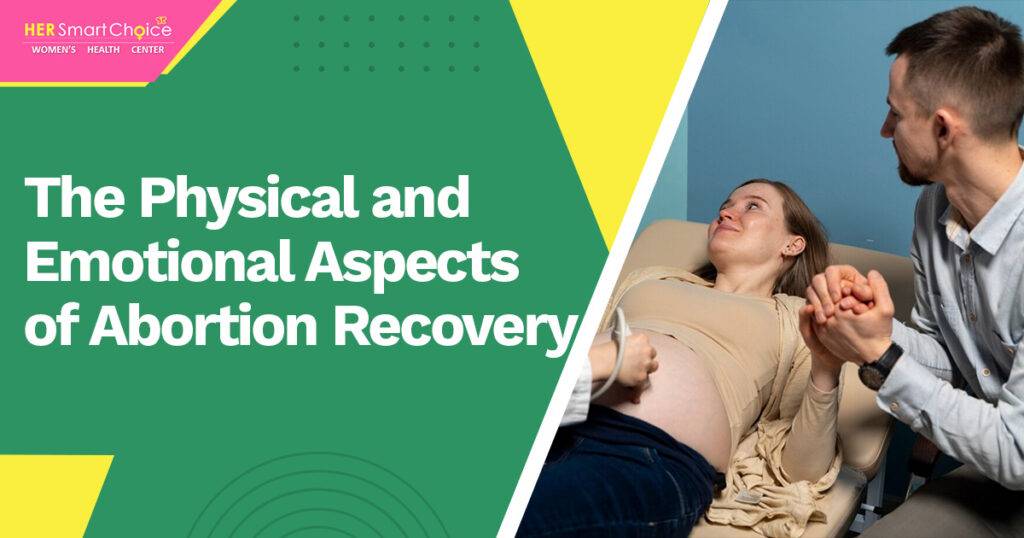
The Physical and Emotional Aspects of Abortion Recovery

Abortion Recovery

Abortion recovery involves both physical and emotional healing. The physical aspect relates to your body’s healing after the procedure, while the emotional aspect deals with the feelings and emotions that may arise during this time. It’s crucial to recognize that every woman’s experience is unique, and the recovery timeline of all individuals can vary. 


Factors Influencing Abortion Recovery Time

Several factors can influence how long it takes to recover from an abortion. Here are a few of them that can help you understand it in a better way:


Type of Abortion

Medication Abortion: This method typically has a shorter physical recovery period, often a few days to a week.


In-Clinic Abortion: Physical recovery may take a bit longer, with some women feeling back to normal within a few weeks.


Gestational Age: The stage of pregnancy at which the abortion is performed can impact recovery. Generally, earlier abortions tend to have shorter recovery times.


Individual Health: Your overall health, both physical and emotional, plays a significant role in recovery. Women who are in good health may recover more quickly.


Complications: In some cases, complications may arise that require additional medical attention. This can extend the recovery time.


Physical Recovery

The physical recovery process after an abortion can vary, but here’s a general timeline:


First Few Days: You may experience bleeding and cramping, similar to a heavy menstrual period.

First Two Weeks: Most women find their symptoms, including bleeding and cramping, gradually improving during this time.

First Month: By the end of the first month, you should be mostly recovered, with minimal to no symptoms.


Emotional Recovery

The emotional recovery process can be just as important as the physical aspect. It’s essential to be patient with yourself and allow your emotions to surface and be processed. If needed, consider seeking emotional support from a therapist, counselor, or a support group.


Tips for a Faster and Smoother Abortion Recovery

Here are some tips to help you recover more quickly and comfortably after an abortion:


Rest: Give your body time to heal. It is good to avoid activities that are harsh on your body and get plenty of rest.


Hydrate: It is good to drink plenty of water to keep your body hydrated.


Nutrition: Eat a balanced diet to support your body’s healing. Include foods rich in iron, folic acid, and vitamin D.


Pain Management: If you experience discomfort, follow your healthcare provider’s guidance on over-the-counter pain relief.


Follow-Up Appointments: Attend any scheduled follow-up appointments with your healthcare provider to ensure your recovery is on track.


Emotional Support: Don’t hesitate to seek emotional support if you’re feeling overwhelmed. Talking to a counselor or joining a support group can be incredibly beneficial.


What You Can Eat After an Abortion for Fast Recovery

Abortion Recovery

what to eat after abortion for fast recovery Nutrition plays a vital role in your recovery after an abortion. Eating the right foods can help your body heal more efficiently. Here’s what to include in your diet:


Iron-rich foods: Abortion can lead to temporary blood loss, so consuming iron-rich foods like lean meats, beans, and leafy greens can help replenish your iron levels.


Folic Acid: Foods like lentils, fortified cereals, and leafy greens are excellent sources of folic acid, which is essential for tissue repair. 


Vitamin D: Vitamin D aids in bone health, and you can find it in fatty fish, fortified dairy products, and sunlight exposure.


Protein: Protein supports tissue repair and is found in foods like poultry, fish, tofu, and pulses.


Fruits and Vegetables: A balanced diet with a variety of fruits and vegetables provides essential vitamins and minerals to aid in recovery.


Hydration: Don’t forget to drink plenty of water to stay hydrated, especially if you experience any bleeding.


Final Thoughts

Abortion recovery is a unique journey for every woman. How long it takes to recover can vary, but with proper care, both physically and emotionally, you can support a faster and smoother healing process. 

Remember that it’s okay to seek help, whether it’s from healthcare providers, therapists, or support networks. Your well-being is a top priority, and by taking the right steps, you can ensure a successful and healthy recovery after an abortion. For more detailed information, you may visit the Women’s Health Clinic in Los Angeles.

Follow Us!

Instagram

Facebook

LinkedIn

Yelp

FAQ

Can I engage in sexual activity after an abortion?

Engaging in sexual activity after an abortion is a common concern for many women. It is generally recommended to wait at least two weeks to allow your body to heal properly, but always consult with your healthcare provider for personalized advice.

How soon can I return to work after an abortion?

Returning to work after an abortion can vary based on individual recovery. Most women can typically resume work within a few days, but it’s essential to listen to your body and consult with your healthcare provider for personalized guidance.

Can I experience mood swings after an abortion?

Experiencing mood swings after an abortion is common and can occur due to hormonal changes and emotional responses. It’s important to acknowledge these feelings and seek support if needed, as they are a normal part of the recovery process.

How long does it take to recover from an abortion physically?

The recovery time from an abortion physically varies by individual but generally takes about a few days to a couple of weeks. Factors such as the type of procedure and personal health can influence this timeline.

How long does bleeding last after an abortion?

Bleeding after an abortion typically lasts between a few days to two weeks. It’s normal for the intensity to vary, with lighter spotting occurring as recovery progresses. If you have concerns about your bleeding, please reach out to us at Her Smart Choice for guidance.

Can I get an infection after an abortion?

Infections can occur after an abortion, though they are relatively rare. It’s crucial to follow post-procedure care instructions and monitor for any unusual symptoms. If you have concerns, please reach out to us at Her Smart Choice for guidance and support.

What are the Do’s and don’ts of post-abortion bleeding?

The do’s and don’ts of post-abortion bleeding include resting adequately and monitoring your symptoms, while avoiding heavy lifting, vigorous exercise, or using tampons. Always consult your healthcare provider if you have concerns or experience excessive bleeding.

Can I experience heavy bleeding after an abortion?

Experiencing heavy bleeding after an abortion is possible. It’s important to monitor your bleeding and contact a healthcare provider if it becomes excessive or is accompanied by severe pain, as this may indicate a need for medical attention.

How long does it take to heal emotionally after an abortion?

The emotional healing process after an abortion varies for each individual, typically taking anywhere from a few days to several weeks. It’s important to allow yourself time and seek support if needed.

When can I resume exercise after an abortion?

The timeline for resuming exercise after an abortion typically ranges from a few days to a couple of weeks, depending on individual recovery. It’s essential to listen to your body and consult with your healthcare provider for personalized guidance.

Read more...
Post-abortion care

What To Eat After Abortion For Fast Recovery?

Recovery after an abortion is an essential part of a woman’s healthcare journey. Just as it’s crucial to make the right decisions regarding your pregnancy, taking care of your body after the procedure is equally important. 

Follow Us!

Instagram

Facebook

LinkedIn

Yelp

One significant aspect of post-abortion care is nutrition, which is generally told by almost all women’s health clinics. The food you consume can greatly affect your healing process. Let’s explore the importance of post-abortion nutrition and provide you with valuable tips on what to eat after an abortion for a fast and smooth recovery.

Listen to Your Body For Fast Recovery

abortion clinic

Following an abortion, your body requires a period of recovery and healing. You might experience physical and emotional changes during this time, and it’s essential to be in tune with your body’s signals. If you’re hungry, eat, but don’t force yourself if you don’t feel like it. Small, frequent meals can help you maintain your energy levels.

Stay Hydrated

Hydration is vital for your recovery. Water helps flush toxins from your body and aids in the healing process. It is good if you can consume at least eight glasses of water every day. Herbal teas, clear broths, and diluted fruit juices can also contribute to your fluid intake.

Nutrient-Rich Foods

Your body needs nutrients to heal and regain strength. Focus on nutrient-dense foods, such as:

Proteins: Lean meats, poultry, fish, eggs, and plant-based proteins like beans and lentils can aid in tissue repair.

Fruits and Vegetables: Colorful fruits and vegetables are packed with vitamins, antioxidants, and fiber, which support overall health.

Whole Grains: Foods like brown rice, quinoa, and whole-grain bread provide energy and fiber.

Dairy or Dairy Alternatives: These are important for calcium and vitamin D, which are crucial for bone health.

Iron-rich foods: Abortion can lead to a temporary drop in iron levels, so it’s important to consume iron-rich foods like lean red meat, beans, tofu, and fortified cereals. Iron helps your body produce red blood cells, which are essential for carrying oxygen to your organs and tissues.

Omega-3 Fatty Acids: Omega-3 fatty acids, found in fatty fish like salmon and trout, walnuts, and flaxseeds, have anti-inflammatory properties that can help with your recovery. They are also important for brain health and emotional well-being.

Foods to Avoid During Post-abortion Care

 Women’s health clinic

Consumption of food must be correct because certain foods can cause discomfort by interfering with your recovery stage. It is a good idea to avoid the below-given food consumption:

Caffeine: It can increase anxiety and disrupt your sleep.

Spicy Foods: These may irritate your digestive system.

Alcohol: It can interact with medications and hinder your recovery.

Processed Foods: High levels of sodium and unhealthy fats can be dangerous.

Listen to Your Cravings

It’s common to experience cravings after an abortion. If you find yourself craving a particular food, it’s okay to indulge in moderation. Sometimes, your body instinctively knows what it needs for recovery.

Vitamin Supplements

In some cases, your healthcare provider may recommend vitamin supplements to ensure you’re getting all the necessary nutrients. There are some common supplements available, including folic acid, iron, and vitamin D that you can consume. It’s important to follow your healthcare provider’s guidance on supplement usage.

Herbal Teas

Herbal teas like chamomile and ginger can help with relaxation, digestion, and reducing nausea. Just be sure to consult your healthcare provider before consuming any herbal teas, as some may interact with medications.

Gentle Exercise

While it’s important to get plenty of rest, gentle exercises like walking can promote circulation and help prevent blood clots. Make sure to talk to your doctor before you begin exercising, and pay attention to what your body tells you.

Emotional Support

In addition to physical care, don’t underestimate the importance of emotional well-being. Emotional support, whether from friends, family, or a mental health professional, can significantly aid in your recovery. Even stress and anxiety can impact your physical health, so taking care of your emotional health is essential as well.

Follow-Up Care

Ensure you attend any follow-up appointments as advised by your healthcare provider. They will monitor your recovery and address any concerns you may have.

Briefing

In brief, recovering after an abortion is a unique and personal journey. Proper nutrition plays a crucial role in ensuring a fast and smooth recovery. By focusing on nutrient-rich foods, staying hydrated, and listening to your body’s signals, you can support your physical healing. Equally important is taking care of your emotional well-being and seeking the necessary support. Remember that every woman’s experience is different, so it’s vital to follow the guidance of your healthcare provider and prioritize self-care during this time.

Follow Us!

Instagram

Facebook

LinkedIn

Yelp

FAQ

Are there any specific diets for post-abortion recovery?

Specific diets for post-abortion recovery focus on nutrient-rich foods that support healing. Emphasize hydration, lean proteins, fruits, vegetables, and whole grains while avoiding processed foods and excessive sugars to promote a smoother recovery process.

What are the benefits of a healthy diet after an abortion?

The benefits of a healthy diet after an abortion include promoting faster physical recovery, replenishing essential nutrients, and supporting emotional well-being. A nutritious diet helps your body heal effectively and can enhance your overall mood during this sensitive time.

Are there any foods to avoid after an abortion?

Foods to avoid after an abortion include processed foods, high-sugar items, and caffeine, as they can hinder recovery. It’s best to focus on nutrient-dense options to support healing and overall well-being during this time.

How does nutrition affect the recovery process after abortion?

Nutrition significantly impacts the recovery process after an abortion. A balanced diet rich in vitamins, minerals, and hydration supports healing, boosts energy levels, and helps restore emotional well-being, facilitating a smoother recovery journey.

What are the best snacks for recovery?

The best snacks for recovery include nutrient-dense options like Greek yogurt with fruit, nuts, and whole-grain crackers. These foods provide essential vitamins and minerals that support healing and energy restoration during your recovery process.

What vitamins support healing after an abortion?

The vitamins that support healing after an abortion include Vitamin C, which aids in tissue repair; Vitamin B12, essential for energy and recovery; and Vitamin D, important for immune function. These nutrients help promote overall healing and well-being during recovery.

Can herbal teas assist in recovery after abortion?

Herbal teas can assist in recovery after abortion by promoting relaxation, aiding digestion, and providing hydration. Varieties like chamomile and ginger may help soothe discomfort and support overall well-being during the healing process.

What are the signs of nutritional deficiency after abortion?

The signs of nutritional deficiency after an abortion include fatigue, weakness, dizziness, hair loss, and poor wound healing. It’s essential to monitor these symptoms and prioritize a balanced diet to support your recovery and overall well-being.

Read more...
Safe Convenient Affordable Abortion Pills from Her Smart Choice, women's health center abortionabortion provider abortion pillsbirth controlfamily planning servicesGynecological ServicesUrogynecologyInfertilitypap teststd testingIUDSsurgical abortionMedication abortionwomen's health clinicabortion provider Her Smart Choice - Abortion Clinic and Gynecologist in Greater Los Angeles $50 - 1200 Price Range: $$$ 213-344-0267 2226 E Cesar Chavez Avenue, Los Angeles Her Smart Choice - Abortion Clinic and Gynecologist in Greater Los Angeles
2226 E Cesar Chavez Avenue, Los Angeles, CA 90033 213-344-0267 213-372-0307
icon Abortion medical abortionabortion consultationabortion - unwanted pregnancyabortion care
2226 E Cesar Chavez Avenue, Los Angeles, CA 90033 213-344-0267 213-372-0307
abortionabortion provider abortion pillsbirth controlfamily planning servicesGynecological ServicesUrogynecologyInfertilitypap teststd testingIUDSsurgical abortionMedication abortionwomen's health clinicabortion providerObstetrician & Gynecologist
Dr. Vikra Kothandaraman(866)392-1853 doctor.com/Dr-Vikram-Kothandaraman

Phone: (866)392-1853

2226 E Cesar Chavez Avenue, Los Angeles, CA 90033 866-392-1853 866-392-1853
2226 E Cesar Chavez Avenue, Los Angeles 866-392-1853 $75 - 1500 Price Range: $$$ $150.00 physician doctor