CATEGORY

When Do Birth Control Pills Start Working

When Do Birth Control Pills Start Working: How Long Until They Protect You?

This guide helps you understand exactly when oral contraceptives begin protecting against pregnancy and gives clear, actionable steps so you can use them with confidence. You’ll get straightforward timelines for combined oral contraceptives (COCs) and progestin-only pills (POPs or “mini‑pills”), learn the biological reasons the timelines differ, and find precise rules for common start methods (Day 1, Quick Start, Sunday Start). The article also walks through missed‑pill actions, when to use backup contraception, and special situations such as postpartum use or starting after an abortion. The practical takeaways are simple: types of birth control methods usually give immediate protection; non‑Day 1 COCs generally need about 7 days of backup; non‑Day 1 POPs generally need about 48 hours.

Follow Us!

Instagram

Facebook

Linkedin

How Long Does It Take for Birth Control Pills to Start Working?

How Long Does It Take for Birth Control Pills to Start Working

Here’s a concise summary of when pills become effective and why that timing matters. Combined pills mainly prevent pregnancy by stopping ovulation and changing cervical mucus so sperm can’t reach an egg. Progestin‑only pills mostly thicken cervical mucus and sometimes suppress ovulation, which makes precise timing and daily consistency more important. Practically speaking, starting a combined pill on Day 1 of your period usually gives protection right away because ovulation for that cycle is already unlikely. If you start a combined pill at another point, you’ll usually need a short waiting period while ovulation suppression kicks in. For most POPs, a Day 1 start also gives immediate coverage, but starting at other times commonly requires about 48 hours of backup while mucus changes take effect. Knowing how each method works will help you pick the right start and use backup correctly when needed.

This article exists to explain when pills start working and to give clear, evidence‑informed steps so you can manage contraception confidently.

Different start scenarios change how quickly protection begins. The table below gives quick rules and backup recommendations so you can see the most common situations at a glance.

Pill Type / Start ScenarioStart MethodTime to Effective ProtectionBackup Needed (Yes/No & Duration)
Combined pill — Day 1 startDay 1 of periodImmediate protection (same cycle)No backup needed if correctly started on Day 1
Combined pill — Quick/Sunday startQuick Start or Sunday StartProtection after about 7 daysYes — use backup for 7 days
Progestin-only pill — Day 1 startDay 1 of periodImmediate protectionNo backup needed if correctly started on Day 1
Progestin-only pill — Other startQuick Start or otherProtection after ~48 hours (2 days)Yes — use backup for 2 days

The short rules to remember: Day 1 starts give immediate coverage; combined pills started at other times generally need about seven days; progestin‑only pills started at other times generally need about two days. The next section explains each start method in more detail to help you choose the right approach for your situation.

When Is the Combined Birth Control Pill Effective After Starting?

Combined oral contraceptives prevent pregnancy mainly by stopping ovulation and by changing cervical mucus. If you start a combined pill on the first day of your period (Day 1), most guidance treats you as protected immediately because the hormones align with that cycle’s natural timing. If you begin a combined pill at another point in your cycle (Quick Start or Sunday Start), it typically takes roughly seven days for ovulation suppression and mucus changes to fully reduce pregnancy risk, so use backup during that time. Keep in mind that vomiting, severe diarrhea, or medications that interact with the pill can lower absorption and may extend the time you need backup — in those cases check with your clinician or follow the manufacturer’s instructions.

How Quickly Does the Mini Pill Become Effective?

Progestin‑only pills (POPs) work mainly by thickening cervical mucus and depend heavily on strict daily timing. When taken on Day 1 of bleeding, most POPs provide immediate protection for that cycle because ovulation is unlikely and mucus changes set in quickly. If you start a POP on another day, plan to use backup contraception for about 48 hours while the mucus response becomes reliable. POP effectiveness also depends on taking the pill at the same time every day — some formulations have a narrow window (often around three hours); doses taken outside that window may count as missed and require immediate backup. The next section breaks down start methods and backup requirements step by step.

Progestin-Only Pills (POPs): Safety, Efficacy, and Adherence Considerations Progestin‑only pills are commonly recommended for people who can’t take estrogen (for example, while breastfeeding or with certain health conditions). They have a wide safety profile and are effective when taken correctly, which is why some experts have supported wider access without a prescription. Because POPs rely on precise daily dosing, users need clear guidance about missed or delayed pills; unlike for combined pills, we have less data showing brief nonadherence is harmless with low‑dose POPs. Source: protocol and research summaries on POP adherence and effectiveness (M. Creinin et al., 2021).

What Are the Different Start Methods for Birth Control Pills and Their Effectiveness?

What Are the Different Start Methods for Birth Control Pills and Their Effectiveness

The start method you choose affects how quickly you’re protected and how convenient the schedule is. The three common approaches are Day 1 start, Quick Start, and Sunday Start. Day 1 starts usually give immediate protection for both combined pills and POPs because they coincide with the natural menstrual cycle. Quick Start lets you begin right away on the day you get the pills, which avoids waiting for your next period but generally requires short‑term backup (7 days for combined pills, 2 days for POPs). Sunday Start is chosen for convenience so reminders fall on a consistent weekday; its backup rules match Quick Start and depend on pill type. The table below summarizes procedures, benefits, and when backup is needed.

Start MethodTypical ProcedureProsWhen Backup Is Required
Day 1 startBegin on the first day of menstrual bleedingImmediate protection for most pill types; straightforward rulesGenerally not required if correctly started on Day 1
Quick StartBegin immediately on the day you receive the pillFast initiation; avoids waitingCOC: 7 days; POP: 2 days
Sunday StartBegin on the first Sunday after your period begins or when prescribedMatches weekly routine for easier remindersCOC: 7 days; POP: 2 days

Choosing the right start method depends on how quickly you need protection and what fits your routine. The following section lists the main reasons to use backup contraception and exactly how long to use it, so you can act with confidence if circumstances change.

How Does Starting on Day 1 of Your Period Affect Effectiveness?

Starting on Day 1 lines up the pill’s hormones with your cycle, lowering the chance of ovulation that cycle and typically giving immediate contraceptive protection. Since ovulation usually happens mid‑cycle, beginning on the first day of bleeding prevents the later steps required for pregnancy in that cycle. Exceptions include the postpartum period, breastfeeding, or when you’re taking interacting medications — in those situations a clinician may recommend different timing or temporary backup. For most people, Day 1 is the simplest way to avoid a waiting period and begin protection right away.

What Is the Quick Start and Sunday Start Method, and When Is Backup Needed?

Quick Start means you start the pill the day you get it instead of waiting for your period; Sunday Start means you begin on the first Sunday after your chosen start date. Both are convenient and can improve adherence, but they usually require short‑term backup because protection takes a few days to build. For combined pills, use condoms or avoid sex for seven days after starting with Quick or Sunday Start; for progestin‑only pills, use backup for two days. If you’ve had recent unprotected sex or suspect pregnancy, consider testing or clinical advice before Quick Start. These start options let you begin on your schedule while staying protected with the recommended backup rules.

When and Why Do You Need Backup Contraception with Birth Control Pills?

Use backup contraception whenever your pill protection is uncertain or temporarily interrupted — for example, after non‑Day 1 starts, missed or late pills, drug interactions, or vomiting/diarrhea. Pills rely on steady hormones and mucus changes; anything that disrupts hormone levels or timing can create a window when pregnancy is possible. A simple rule of thumb helps decision‑making: for combined pills use backup for seven days after a late start or multiple missed pills; for progestin‑only pills use backup for 48 hours in comparable situations. Backup options include condoms or abstinence; emergency contraception is a separate option if you had unprotected sex during a high‑risk window. The lists below show common scenarios that require backup and what to do right away.

  • Common situations that require backup contraception:Starting pills not on Day 1 (Quick/Sunday starts) Missing one or more pills or taking pills late beyond the allowed window Vomiting or severe diarrhea within a few hours of taking a pill Taking medications that interact and reduce contraceptive effectiveness
  • Immediate actions to take when backup is needed:Use condoms or avoid sex until the backup period ends Keep taking your pills as directed (don’t skip more doses) Consider emergency contraception if you had recent unprotected sex Contact a clinician if you missed multiple pills or are on interacting medications

How Long Should Backup Contraception Be Used for Combined Pills?

For combined oral contraceptives, the standard waiting period after a non‑Day 1 start or after missed pills is seven days. This gives the hormones time to reliably suppress ovulation and establish protective mucus changes. If you miss a single combined pill but take it within about 24 hours, you’ll usually maintain protection; missing multiple pills or having longer gaps typically triggers the seven‑day backup rule and may prompt consideration of emergency contraception if you had unprotected sex. Helpful prevention tips include setting daily reminders, using a pill organizer, and using condoms during the seven‑day backup window. If vomiting, interactions, or many missed doses occur, check with your clinician.

How Long Is Backup Needed for the Mini Pill?

For progestin‑only pills, backup is usually required for 48 hours (two days) after a non‑Day 1 start or after a missed or late dose that falls outside the pill’s allowed timing window. POPs rely on consistent hormone levels and mucus thickness, so even brief delays can reduce effectiveness — hence the shorter but strict backup interval. If you miss a POP dose beyond its allowed window, take the missed pill as soon as you remember and use condoms or avoid sex for 48 hours. Simple strategies like phone alarms, carrying extra packs, and tying pill time to a daily habit help avoid lapses that would trigger the backup rule.

What Should You Do If You Miss a Birth Control Pill?

Knowing pill‑type specific steps helps reduce pregnancy risk and tells you when to use backup or seek emergency contraception. The main difference is between combined pills and progestin‑only pills: combined pills often have a longer grace period for one missed dose and different advice for multiple misses; POPs have a very narrow timing window, so many late doses count as missed. Immediate steps include taking the missed pill as soon as you remember, continuing the pack, and starting backup if you’re outside the acceptable window. The table below summarizes common scenarios and the recommended actions so you can act quickly.

Pill TypeMiss WindowImmediate StepsBackup / Emergency Contraception Recommendation
Combined (1 missed)Missed 1 active pill (<24 hours usually)Take the missed pill ASAP, then continue the packGenerally no backup if taken within the window; otherwise use backup for 7 days
Combined (≥2 missed)Two or more active missed pillsTake the most recent missed pill immediately, discard others if instructed, continue the packUse backup for 7 days; consider emergency contraception if you had unprotected sex
Progestin-only (missed timing)Dose taken outside allowed time window (e.g., >3 hours)Take the missed pill ASAP, then resume your regular scheduleUse backup for 48 hours; consider emergency contraception if you had unprotected sex

These steps will help you restore protection quickly. The next sections give simple, stepwise instructions for each pill type so you can follow the right actions under stress.

How to Manage Missed Combined Pills to Maintain Protection?

If you miss a single combined pill and can take it within about 24 hours, take it as soon as you remember and keep taking the rest of the pack — most guidance treats this as maintaining protection. If you miss two or more active combined pills, take the most recent missed pill immediately (discard earlier missed pills if directed), continue the pack, and use backup contraception for seven days. If you had unprotected sex in the days before missing pills, emergency contraception may be appropriate — contact a clinician to discuss timing and options. After an episode of missed pills, consider stronger adherence supports like daily alarms, pill boxes, or apps to help avoid future gaps.

What Are the Guidelines for Missed Mini Pills and Timing Windows?

For progestin‑only pills, a missed dose usually means taking the pill outside the strict daily timing window (commonly about three hours for many POPs). That missed timing can immediately reduce protection. If you miss or take a POP late, take the missed pill as soon as you remember and then use backup contraception for 48 hours while keeping to your daily schedule. If you had unprotected intercourse during the missed window, consider emergency contraception and contact a clinician promptly. Practical prevention strategies — setting a fixed daily time, alarms, and carrying pills when you travel — are very effective at avoiding missed‑dose problems.

How Do Special Situations Affect When Birth Control Pills Start Working?

Certain situations — childbirth and breastfeeding, recent abortion or miscarriage, or switching between pill types — can change recommended start timing and backup needs. After delivery, especially while breastfeeding, clinicians often avoid estrogen‑containing pills at first because estrogen can reduce milk supply; progestin‑only pills or non‑hormonal methods may be preferred early on, and protection timing will follow the specific method’s rules. After abortion or miscarriage, many protocols allow immediate pill start to provide prompt protection, though backup needs depend on timing and method. When switching pills, keep continuity (finish a pack or follow your clinician’s instructions) to avoid gaps; backup might be necessary during the transition. The table below outlines typical rules for these scenarios so you know what to expect.

ScenarioTypical RuleBackup Needed
Postpartum (non-breastfeeding)May start combined pills after a short intervalOften follows Day 1 or Quick Start rules; backup may be required
BreastfeedingEstrogen-containing pills are often delayed; POPs are preferredBackup rules depend on timing and clinician advice
After abortion/miscarriageImmediate start is often permittedBackup may not be needed in some cases; follow clinician guidance

These scenario‑based rules show why personalized clinical advice matters in special circumstances. The following subsections give practical guidance for postpartum and post‑abortion situations.

When Does Birth Control Become Effective After Childbirth or While Breastfeeding?

Timing after childbirth depends on breastfeeding and your medical history. Because estrogen can reduce milk supply for some people, clinicians often delay estrogen‑containing combined pills while breastfeeding and prefer progestin‑only options early on. If a POP is started immediately after delivery, the usual POP timing rules apply and backup depends on whether it was a Day 1 start. If you are not breastfeeding, combined pills may be started according to local guidance, with Day 1 or Quick Start rules and the usual backup requirements. Because personal health factors and breastfeeding goals affect the best choice, check with your clinician for individualized advice before starting or changing pills after childbirth.

How Does Starting Birth Control After Abortion or Miscarriage Impact Effectiveness?

After an abortion or miscarriage, many protocols allow immediate initiation of oral contraceptives because the uterus is not pregnant and rapid protection is often useful. Whether you need backup depends on the exact timing and the method used: starting on Day 1 of bleeding often gives immediate protection in guidance from some providers, while Quick Start generally requires the standard 7‑day (COC) or 2‑day (POP) backup. Immediate initiation can help prevent another unintended pregnancy and simplify follow‑up care, but confirm there are no contraindications and arrange appropriate follow up. If you’re unsure or had recent unprotected sex, consider pregnancy testing and talk to a clinician about emergency contraception options.

What Are Common Myths and FAQs About Birth Control Pill Effectiveness?

Several myths about pill effectiveness persist. Clear, direct answers help reduce confusion and support correct use. Two frequent concerns are whether pregnancy is possible during the first week after starting pills and whether pills work immediately after you begin. The short answers are: yes, pregnancy is possible in the first week if you didn’t start on Day 1 and didn’t use backup; and no, pills are not always effective immediately unless started on Day 1 — non‑Day 1 COCs generally need seven days and POPs generally need two days of backup. Below are quick myth‑busting points and a small FAQ that cover the most practical questions people ask.

  • Can you get pregnant during the first week of birth control? Yes — if you did not start on Day 1 and did not use backup, the first week can carry risk, especially with Quick or Sunday Starts.
  • Does missing one pill always cause pregnancy? No — a single missed combined pill taken within the allowed window usually preserves most protection, but multiple missed pills increase risk and typically require backup.
  • Do stomach bugs make pills ineffective? Vomiting or severe diarrhea within a few hours of taking a pill can reduce absorption; treat the dose as missed and follow backup guidance.
  • Can other medicines stop my pill from working? Some medicines and supplements interact with hormonal contraception and can reduce effectiveness; check with a clinician or pharmacist when starting new drugs.

These quick answers address common concerns; the final subsections give concise responses to two widely searched questions to support clarity and practical decision making.

Can You Get Pregnant During the First Week of Birth Control?

Yes — pregnancy is possible during the first week if you didn’t start on Day 1 and didn’t use backup during a Quick or Sunday Start. The actual risk depends on where you are in your cycle and whether you had recent unprotected sex, because ovulation can occur before the pill’s full protective effects are established. If you began with a non‑Day 1 start and had unprotected intercourse, consider emergency contraception depending on timing, and use backup contraception for the recommended seven days for COCs or two days for POPs.

Does Birth Control Work Immediately After Starting?

Birth control pills work immediately only when started on Day 1 of bleeding for most protocols. Otherwise, you must wait the standard protection window — about seven days for combined pills and about two days for progestin‑only pills. The Day 1 rule applies because it aligns with the natural cycle and lowers the chance of ovulation that cycle. With Quick Start or Sunday Start, use backup for the specified period until hormonal and mucus‑based protection is established.

Frequently Asked Questions

What should I do if I miss multiple birth control pills?

If you miss two or more active combined pills, take the most recent missed pill as soon as you remember and discard any earlier missed pills if directed. Continue taking the rest of the pack on schedule, but use backup contraception for the next seven days. If you had unprotected sex in the days before the missed pills, talk with a healthcare provider about emergency contraception options.

Can I switch between different types of birth control pills?

Yes — you can switch pill types, but do it in a way that avoids gaps in protection. Follow your clinician’s instructions or the manufacturer’s guidance: either finish your current pack or begin the new pill as recommended. Backup contraception may be needed during the transition if there’s any gap. When in doubt, consult your healthcare provider for personalized advice.

How do antibiotics affect birth control pill effectiveness?

Most common antibiotics do not reduce pill effectiveness, but there are exceptions — rifampin and similar medications can interfere with hormonal contraception. If you’re prescribed antibiotics that may affect the pill, use backup contraception during treatment and for at least seven days after finishing, or follow your provider’s guidance. Always check with your clinician or pharmacist about specific interactions.

What are the signs that my birth control pill is not working?

Possible signs include unexpected bleeding or spotting, missed periods, or symptoms of pregnancy such as nausea or breast tenderness. If you notice these signs, especially after unprotected sex, take a pregnancy test and contact your healthcare provider. Also review your pill‑taking routine to make sure you’re taking pills on schedule.

Is it safe to take birth control pills continuously without a break?

Many people safely use pills continuously to skip periods or reduce symptoms, and some formulations are designed for continuous use. Continuous use may be recommended for specific medical reasons, but it’s best to discuss this with your provider to confirm it’s appropriate for you and to choose the right regimen.

What should I do if I experience side effects from birth control pills?

If you have side effects such as nausea, headaches, or mood changes, talk with your healthcare provider. They can help determine whether side effects are likely to settle or whether switching to a different formulation or method would be a better option. Don’t stop taking your pills without medical advice unless directed to do so.

Conclusion

Knowing when birth control pills start protecting you makes it easier to use them correctly and confidently. Remember the simple timelines: Day 1 starts usually give immediate protection; combined pills started at other times typically need about seven days of backup; and progestin‑only pills started at other times typically need about 48 hours. Choosing the right start method, sticking to a daily routine, and using backup when needed will keep you protected. If you have special circumstances or are unsure, check with your healthcare provider for personalized guidance and explore our resources for more tips on managing your contraception.

Follow Us!
Instagram

Facebook

Linkedin

Read more...
Birth Control Pill FAQ: Benefits, Risks, and How to Choose the Right Pill

Birth Control Pill FAQ: Benefits, Risks, and How to Choose the Right Pill

The birth control pill is a daily oral hormonal contraceptive that prevents pregnancy by changing normal reproductive processes. This FAQ breaks down how pills work, the main formulations, benefits beyond pregnancy prevention, common side effects and rare but serious risks, and practical steps to match pill choices to your health goals and lifestyle. Many people want straightforward, evidence-based answers about effectiveness, side effects, drug interactions, and how to pick a pill that fits their medical history and routine. Here you’ll find clear explanations, comparison tables, and checklists you can use when talking with your clinician—covering mechanism of action, pill types, non-contraceptive benefits, safety considerations, and quick answers to common concerns like missed doses, mood changes, and weight.

What Are Birth Control Pills and How Do They Work?

What Are Birth Control Pills and How Do They Work

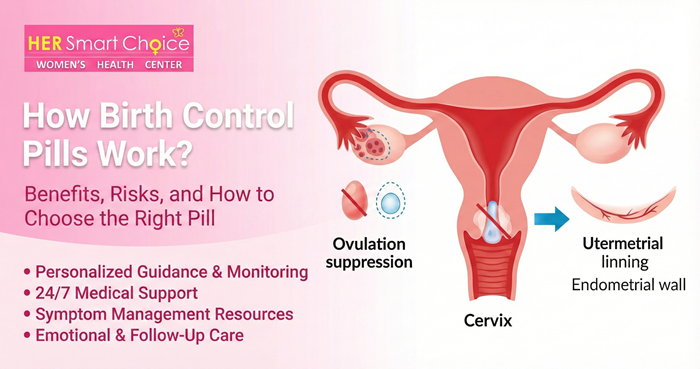
Birth control pills are oral medications that contain hormones—either both estrogen and a progestin (combined pills) or progestin alone (mini‑pills). They prevent pregnancy mainly by suppressing ovulation, thickening cervical mucus so sperm can’t reach an egg, and thinning the uterine lining to make implantation less likely. Combined and progestin‑only pills differ in hormone type and how sensitive they are to timing, which affects side effects and who can safely use them. Knowing these mechanisms explains why taking pills consistently and avoiding interacting medicines matters for effectiveness, and why certain health conditions rule out estrogen‑containing options. Our goal is to give clear, practical information so you can make confident, informed decisions about contraception.

What Hormones Are in Birth Control Pills and Their Roles?

Pills use two hormone classes: estrogen (commonly ethinyl estradiol) and synthetic progestins. Estrogen helps keep periods regular and supports ovulation suppression but also raises clotting risk in some people—an important factor when prescribing for smokers or older users. Progestins thicken cervical mucus to block sperm and thin the uterine lining; at higher doses or in certain formulations they may also suppress ovulation. Different progestins vary in androgenic or anti‑androgenic activity, which is why some pills can improve acne or influence mood differently from others. mood swings

How Do Birth Control Pills Prevent Pregnancy?

Pills reduce the chance of conception through three complementary actions. First, they suppress ovulation so an egg is not released. Second, they thicken cervical mucus, making it hard for sperm to move and survive. Third, they thin the endometrium, lowering the likelihood that a fertilized egg would implant. These layers of protection work best with correct use; missed pills, vomiting, diarrhea, or certain medications can weaken one or more mechanisms—so it’s important to know missed‑pill rules and interaction risks.

What Are the Different Types of Birth Control Pills?

Oral contraceptives fall into two main groups: combination pills (estrogen plus progestin) and progestin‑only pills. Within combination pills you’ll find monophasic formulations (same hormone dose each active pill), multiphasic packs (dose varies across the cycle), and extended‑cycle or continuous regimens that cut down or eliminate monthly withdrawal bleeds. Progestin‑only pills contain no estrogen and are often chosen for people who are breastfeeding or who have contraindications to estrogen, but they require stricter timing for reliable protection. Knowing these categories helps you match a clinical goal—acne control, lighter periods, breastfeeding compatibility—to the right formulation.

Pill TypeHormone Content / Cycle TypeTypical Use / Advantage
Monophasic combinationEstrogen + progestin; same dose dailySimpler routine and predictable bleeding control
Multiphasic combinationEstrogen + progestin; varying doses across packDesigned to mimic natural hormone shifts; may reduce some side effects for a few users
Extended-cycle combinationEstrogen + progestin; 91-day or continuous regimensFewer withdrawal bleeds—helpful for heavy periods or endometriosis
Progestin-only (mini-pill)Progestin only; taken daily at the same timeGood for breastfeeding or estrogen contraindications; timing-sensitive

This table summarizes how formulations differ and where they’re most useful—use it to narrow options before you talk with your clinician. Clear, practical information helps people choose a pill that fits both health needs and lifestyle.

What Are Combination Pills and Their Variations?

Combination pills pair estrogen with a progestin and come in monophasic, multiphasic, and extended‑cycle formats that change hormone exposure and bleeding patterns. Monophasic packs give a steady hormone dose each active day, which simplifies tracking side effects and cycle control. Multiphasic packs vary doses across the pack to more closely resemble natural fluctuations; some users find reduced breakthrough bleeding, though major advantages over monophasic pills are limited. Extended‑cycle regimens reduce or stop monthly withdrawal bleeds, which can improve quality of life for people with heavy periods or endometriosis.

What Are Progestin-Only Pills and Who Should Use Them?

Progestin‑only pills work mainly by thickening cervical mucus and, in some formulations, by suppressing ovulation. They’re a preferred option when estrogen is contraindicated—such as during breastfeeding or for people at higher clotting risk. A key limitation is strict timing: many mini‑pills must be taken within the same 3‑hour window each day to remain effective, so consistent routine and adherence are essential for dependable protection.

Progestin-Only Pills for Contraception: Efficacy and Acceptability This review compared progestin‑only oral contraceptives—administered continuously and without estrogen—to combined oral contraceptives. Randomized trials were examined to assess differences in effectiveness, acceptability, and continuation rates, but comparative conclusions remain limited by available data. Progestin‐only pills for contraception, 2010

A systematic review summarized continuous use of progestin‑only pills and highlighted the need for more head‑to‑head studies comparing them to combined options.

A New Progestin-Only Pill Containing Drospirenone: Efficacy and Safety Hormonal contraceptives are effective and generally safe for preventing pregnancy. Progestins are used in combined methods and as sole agents in progestin‑only pills, implants, intrauterine systems, and injections. Newer estrogen‑free progestin‑only formulations—such as a 4 mg drospirenone pill—offer ovulation inhibition with anti‑androgenic and anti‑mineralocorticoid actions and have been authorized in multiple regions. Oral progestins in hormonal contraception: importance and future perspectives of a new progestin only-pill containing 4 mg drospirenone, 2021

Recent progestin‑only options, including drospirenone formulations, expand estrogen‑free choices with promising efficacy and tolerability profiles.

What Are the Benefits of Taking Birth Control Pills?

What Are the Benefits of Taking Birth Control Pills

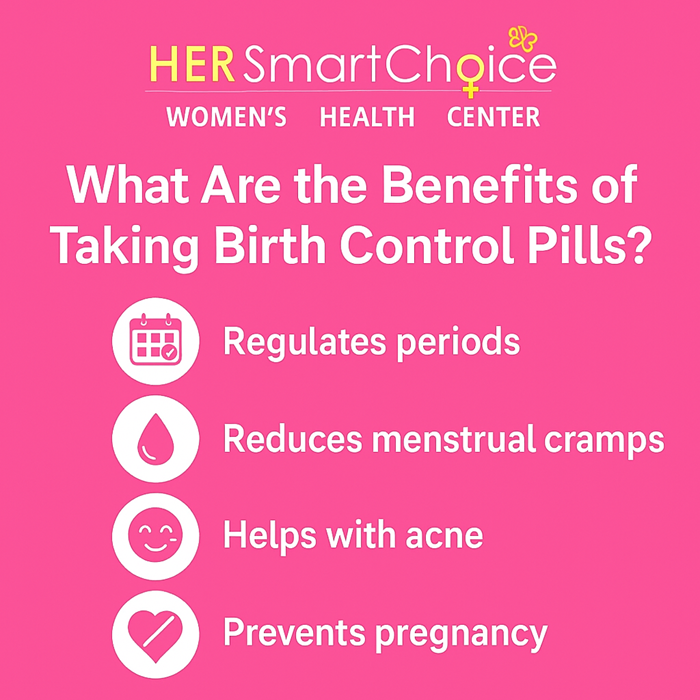
Beyond strong contraceptive protection, birth control pills can improve everyday health and long‑term outcomes. They can make periods more predictable, ease menstrual cramps and reduce blood loss, help clear acne for many users, and treat conditions such as PCOS and endometriosis. Long‑term use is linked to lower ovarian and endometrial cancer risk, while evidence for other long‑term effects varies by formulation. Knowing how each benefit happens helps set realistic expectations for when and how much improvement to expect.

BenefitMechanismTypical Onset / Evidence Strength
Menstrual regulationHormone cycle control and endometrial stabilizationWeeks to months; strong clinical evidence
Reduced dysmenorrheaLower prostaglandin-driven bleeding and thinner liningWeeks; moderate–strong evidence
Acne improvementAnti‑androgenic progestins and reduced ovarian androgen production2–6 months; moderate evidence
Reduced ovarian/endometrial cancerSuppressed ovulation and endometrial thinningYears of use; strong epidemiological evidence

The table ties each benefit to its hormonal mechanism and typical timeline, helping you weigh likely outcomes when choosing a pill.

How Effective Are Birth Control Pills at Preventing Pregnancy?

With perfect use, combination pills are about 99% effective; with typical use they’re closer to 91% because missed doses and timing lapses occur. “Perfect use” means taking the pill daily at the same time and avoiding interacting medications; “typical use” reflects real‑world adherence where missed pills and late doses reduce protection. Factors that lower effectiveness include missing multiple pills, taking enzyme‑inducing drugs, vomiting or prolonged diarrhea, and inconsistent timing for progestin‑only pills. Those numbers help explain why adherence and understanding interactions are so important.

What Non-Contraceptive Benefits Do Birth Control Pills Offer?

Many users gain symptom relief and longer‑term health advantages from hormonal contraception. Combined regimens and extended‑cycle options can reduce heavy or painful periods by limiting endometrial buildup. Pills with anti‑androgenic progestins commonly improve acne over several months. Epidemiological studies also show reduced ovarian and endometrial cancer risk with longer use—an important factor when weighing benefits against risks. These non‑contraceptive effects often guide the choice of formulation based on personal health goals.

Mechanism of Action of Progestin-Only Oral Contraceptives Progestin‑only oral contraceptives primarily prevent pregnancy by producing cervical mucus that is hostile to sperm, which reduces the chance of fertilization. This cervical mucus effect is a central mechanism for these agents. The mechanism of action of hormonal contraceptives and intrauterine contraceptive devices, 1999

For progestin‑only pills, the hostile cervical mucus is a key way they stop sperm from reaching an egg and thus prevent pregnancy.

What Are the Common Side Effects and Serious Risks of Birth Control Pills?

Most side effects are mild and improve within a few months as your body adjusts; serious complications are uncommon but important to recognize. Early side effects often include nausea, spotting between periods, breast tenderness, and short‑term headaches—many of which resolve after 2–3 cycles or after switching formulations. Rare but serious risks include venous thromboembolism (DVT or PE), stroke, and heart attack—risks that are mainly linked to estrogen‑containing pills in people with specific risk factors. Identifying higher‑risk individuals—like smokers over 35, people with a history of clots, or those with certain migraine types—helps guide safer prescribing.

Common side effects and basic management tips:

  • Nausea: Try taking the pill with food or at bedtime; reassess after 1–2 cycles.
  • Spotting or breakthrough bleeding: Often settles on its own; consider a different formulation if it persists beyond three cycles.
  • Breast tenderness: Usually temporary; lower‑estrogen options may help if it continues.
  • Headaches and mood changes: Track timing and severity; see a provider if symptoms are new, severe, or worsening to review options.
Risk/Side EffectLikelihoodWho’s at Higher Risk
Nausea, spotting, breast tendernessCommon; often transientNew users and those starting higher estrogen doses
Blood clots (DVT/PE)Rare; combined pill ~3–9 per 10,000 woman‑yearsSmokers >35, prior clot history, thrombophilia
Stroke / MIVery rare in young healthy non‑smokersSmokers, uncontrolled hypertension, older age
Cancer risks (breast/cervical)Small absolute increase or neutralVaries; benefits include reduced ovarian/endometrial risk

Use this risk summary to guide a focused conversation with your clinician about which risks are most relevant to you.

What Are the Most Common Side Effects of Birth Control Pills?

Common side effects typically appear in the first few cycles and then often fade as hormone levels stabilize. Nausea usually improves with food or evening dosing; spotting or irregular bleeding often resolves after two to three cycles or when switching formulations. Breast tenderness and mild headaches are common and usually temporary. Mood effects vary—some users feel better, others notice worsening mood—so monitor changes closely during the first months and discuss alternatives with your provider if problems persist.

What Serious Health Risks Are Associated with Birth Control Pills?

Serious risks are uncommon but clinically meaningful. Estrogen‑containing pills raise the relative risk of venous thromboembolism, but the absolute risk remains low for most young, healthy, non‑smokers. The greatest increases in clot risk occur in smokers over 35 and people with a personal or strong family history of clotting disorders; these groups are often advised to avoid combined pills. Stroke and heart attack are rare in young healthy individuals but rise with traditional cardiovascular risk factors like hypertension, smoking, and older age. The cancer risk profile is mixed: ovarian and endometrial cancer risk is reduced with pill use, while small, variable effects on breast and cervical cancer have been reported—these trade‑offs should be discussed individually with a clinician.

How Do You Choose the Right Birth Control Pill for Your Needs?

Choosing the right pill means matching your medical history, lifestyle, and health priorities to pill characteristics in a clear, patient‑centered way. Start by listing absolute and relative contraindications—smoking status, age, clotting history, migraines with aura, and blood pressure—that may rule out estrogen‑containing options. Then align goals (acne control, fewer periods, breastfeeding) with pill types: anti‑androgenic combination pills for acne, extended‑cycle regimens for heavy or painful periods, and progestin‑only options when estrogen isn’t appropriate. This process helps prepare for a productive shared decision with your clinician.

Decision checklist (begin here when preparing to consult a clinician):

  • Medical contraindications: Note smoking status, age, any clotting history, migraine type, and blood pressure.
  • Lifestyle factors: Consider your ability to take a daily pill on time, desire for fewer periods, and breastfeeding plans.
  • Health goals: Prioritize acne reduction, menstrual control, PCOS management, or minimizing side effects.
  • Medication review: List enzyme‑inducing drugs or other medicines that could lower contraceptive levels and discuss alternatives.

This checklist supports shared decision‑making with your provider and highlights safety and adherence factors that usually determine the best option.

What Medical and Lifestyle Factors Affect Birth Control Pill Choice?

Several medical and lifestyle details guide which pill is safest and most effective for you. Key medical factors include prior blood clots, smoking combined with age over 35, uncontrolled hypertension, and migraine with aura—conditions that typically rule out estrogen‑containing pills. Lifestyle factors include whether you can take a pill at the same time every day (especially important for progestin‑only pills), travel or work schedules that affect timing, and whether you want to reduce or skip monthly bleeding. Medication interactions—particularly enzyme‑inducing drugs—can lower hormone levels, so a full medication review is essential when selecting an oral contraceptive.

How Do Specific Health Goals Influence Pill Selection?

Your specific goals point to formulations most likely to deliver the desired results. For acne, combined pills with anti‑androgenic progestins are often effective. For heavy periods or endometriosis, extended‑cycle or continuous regimens reduce endometrial growth and bleeding. If you’re breastfeeding or have an estrogen contraindication, progestin‑only options provide contraception without estrogen exposure and with minimal effect on milk supply. When cardiovascular risk is a concern—because of smoking or age—non‑estrogen methods or long‑acting reversible contraception may be safer, so individualized counseling is important.

What Are the Most Frequently Asked Questions About Birth Control Pills?

Below are concise, practical answers to common concerns—missed pills, weight and mood effects, stopping the pill, and interactions—so you can act quickly and know when to seek clinical help. Short, evidence‑based answers help you find reliable guidance and plan follow‑up with your clinician when needed.

What Should You Do If You Miss a Birth Control Pill?

Steps depend on the pill type and how many doses were missed. For combination pills: if you miss one active pill, take it as soon as you remember and continue the pack; if you miss two or more, follow the specific instructions on your pack, use backup contraception, and consider emergency contraception depending on timing and unprotected sex. For progestin‑only pills: a dose taken outside the strict timing window (usually more than 3 hours late) should be taken right away, and you should use condoms for 48 hours; consider emergency contraception if you had unprotected intercourse during the risk window. When unsure, treat the situation as higher risk: use condoms, consult a provider, and consider emergency contraception if appropriate.

Can Birth Control Pills Cause Weight Gain or Mood Changes?

Evidence shows little consistent link between modern birth control pills and significant weight gain for most users, though individual experiences vary and lifestyle factors can play a role. Mood effects are individual: some people note worsened mood or depressive symptoms with certain formulations, while others feel no change or even improvement. Monitor weight and mood during the first few cycles; if changes are meaningful or persistent, talk with your clinician about trying a different progestin, adjusting the formulation, or switching to a non‑hormonal method. Open monitoring and communication help tailor choices to your wellbeing.

Our aim is to give clear, user‑friendly answers about the benefits, risks, and options for birth control pills so you can make informed choices and feel confident discussing options with your healthcare provider.

Conclusion

Knowing the benefits and risks of birth control pills helps you choose a method that fits your health needs and lifestyle. Pills can regulate cycles, ease symptoms, and lower certain long‑term cancer risks, but they also carry side effects and contraindications that require careful consideration. Talk through your personal health goals and risk factors with a healthcare provider to find the right formulation or alternative method. When you’re ready, explore our resources and connect with a clinician to take the next step in your reproductive health journey.

Read more...
Can I Get Pregnant After Being on Birth Control for 10 Years

Can I Get Pregnant After Being on Birth Control for 10 Years?

Long-term birth control use does not cause permanent infertility, and most individuals regain their natural fertility within months of stopping, even after a decade of use. This article explains how hormonal and non-hormonal contraception works, outlines the typical timeline for ovulation return, describes physical and hormonal adjustments, and offers actionable strategies to optimize your chances of conception. You’ll also learn to dispel common myths, compare method-specific fertility impacts, set realistic expectations for the first post-contraceptive year, and identify helpful visual aids for clear understanding.

Follow Us!

Instagram

Facebook

Linkedin

Yelp

How Does Long-Term Birth Control Affect Fertility?

Long-term contraception temporarily suppresses ovulation and alters cervical mucus, but it does not damage ovarian reserve or egg quality, allowing fertility to rebound once hormones normalize.

What Is the Mechanism of Birth Control in Preventing Pregnancy?

Hormonal methods prevent pregnancy by suppressing the hypothalamic-pituitary-ovarian axis, thereby inhibiting ovulation, thickening cervical mucus to block sperm, and thinning the uterine lining to reduce implantation likelihood. Non-hormonal devices like the copper IUD create a local inflammatory response hostile to sperm movement. These mechanisms ensure near-complete contraceptive effectiveness without altering long-term ovarian function. IUDs are considered the best birth control method.

Does Using Birth Control for 10 Years Cause Permanent Infertility?

No, extensive studies confirm that prolonged hormone exposure does not reduce ovarian follicle count or impair egg quality. Research indicates ovarian reserve markers such as AMH (anti-Müllerian hormone) return to baseline within months of discontinuation, demonstrating full reversibility of contraceptive effects and preserving natural fertility potential.

Fertility After Contraception

Research indicates that the ovarian reserve markers, such as AMH (anti-Müllerian hormone), return to baseline levels within months of discontinuing birth control, demonstrating the full reversibility of contraceptive effects and preserving natural fertility potential.

Practice Committee of the American Society for Reproductive Medicine, Fertility and Sterility (2013)

This research supports the article’s claim that long-term birth control use does not cause permanent infertility.

Impact of Age on Fertility

Age is a primary determinant of fertility decline, with ovarian reserve and egg quality diminishing notably after age 35. Birth control history has no bearing on this age-related decrease, making maternal age the more critical factor in conception planning.

American College of Obstetricians and Gynecologists, ACOG (2020). Read more

This citation reinforces the article’s emphasis on age as a key factor influencing fertility.

What Is the Typical Timeline to Get Pregnant After Stopping Birth Control?

What Is the Typical Timeline to Get Pregnant After Stopping Birth Control

After discontinuation, most individuals experience a return to fertility within a few months to a year, depending on the contraception type and individual factors.

The table below summarizes average timeframes for ovulation and conception readiness by method:

MethodMechanismTypical Return Timeline
Combined Oral PillsHormone suppression of ovulation1–3 months
Hormonal IUDLocal progestin release1 month
Copper IUDIntrauterine sperm barrierImmediate
Depo-Provera InjectionProgestin depot suppression10–18 months
Patch & Vaginal RingTransdermal or vaginal hormone release1–3 months
ImplantSubdermal progestin implant1–6 months

Most methods allow ovulation to resume rapidly, and about 83% of users conceive within 12 months regardless of prior duration of use.

Return to Fertility Timeline

Approximately 83% of individuals conceive within a year of discontinuing contraception, with higher rates in those under 35 and without underlying fertility issues.

Hatcher, R. A., et al., Contraceptive Technology (2011) Read more

This supports the article’s discussion of the typical timeline for getting pregnant after stopping birth control.

How Soon Does Fertility Return After Stopping Birth Control Pills?

Fertility typically returns within one to three menstrual cycles after stopping combination pills, as estrogen and progestin levels decline and the HPO axis resumes normal signaling.

What Is the Fertility Return Timeline After IUD Removal?

With both hormonal and copper IUDs, fertility often returns in the first cycle post-removal because there is no systemic hormone buildup. Copper IUD users may see immediate ovulation, while hormonal IUD users may wait one menstrual cycle for optimal lining development.

How Long Does It Take to Conceive After the Birth Control Shot (Depo-Provera)?

Depo-Provera’s progestin depot can delay ovulation for an average of 10 months after the last injection, with some users experiencing delays up to 18 months before regular cycles resume.

What About Fertility After Stopping Other Methods Like Patch, Ring, or Implant?

Fertility return after removing the patch or ring parallels pill discontinuation (1–3 months), while implants often normalize ovulation within six months as the subdermal progestin slowly clears from the bloodstream.

What Hormonal and Physical Changes Occur After Stopping Birth Control?

When you stop hormonal contraception, your endocrine system transitions from synthetic hormones to self-regulated ovulation cycles, leading to noticeable changes in menstrual patterns and physical symptoms.

How Does Hormonal Rebalancing Affect Ovulation and Menstrual Cycles?

Restoration of natural estrogen and progesterone rhythms triggers follicle maturation, ovulation, and cyclic endometrial thickening. Initial cycles may be anovulatory or irregular as the hypothalamus and pituitary recalibrate their gonadotropin output.

What Are Common Side Effects After Discontinuing Birth Control?

Many individuals experience:

  • Irregular or heavy periods
  • Acne flare-ups
  • Mood swings or transient anxiety
  • Headaches or breast tenderness

These symptoms reflect the body’s adjustment and typically subside within three to six cycles as endogenous hormone levels stabilize.

When Should I Consult a Healthcare Provider About Post-Birth Control Symptoms?

Seek medical advice if symptoms persist beyond six months, if menstrual bleeding is excessively heavy (soaking through pads or tampons hourly), or if there are signs of severe hormonal imbalance (e.g., unrelenting migraines, extreme mood changes). Early evaluation can identify underlying conditions or guide fertility assessments.

How Can I Optimize My Chances of Getting Pregnant After Long-Term Birth Control?

How Can I Optimize My Chances of Getting Pregnant After Long-Term Birth Control

Optimizing conception involves precise cycle tracking, targeted lifestyle improvements, and timely medical support when needed.

How Do I Track Ovulation and Menstrual Cycles Effectively?

Use a combination of:

  • Basal Body Temperature Charting to detect post-ovulatory temperature shifts.
  • Ovulation Predictor Kits that measure luteinizing hormone surges.
  • Cervical Mucus Monitoring to observe fertile-phase mucus changes.

Consistent record-keeping establishes your fertile window and improves timing accuracy.

What Lifestyle Changes Support Fertility After Birth Control?

Adopt these evidence-based practices:

  • Maintain a balanced diet rich in folate, omega-3s, and antioxidants.
  • Engage in moderate exercise to support hormonal balance.
  • Manage stress through mindfulness or yoga to lower cortisol levels.
  • Avoid tobacco, limit alcohol, and maintain a healthy BMI between 18.5 and 24.9.

Healthy habits reinforce endocrine function and gamete quality.

When Is It Important to See a Fertility Specialist or Doctor?

Consult a specialist if you are over 35 and have not conceived within six months, or under 35 with more than 12 months of unsuccessful attempts. Early assessment of ovarian reserve, partner sperm analysis, and pelvic imaging can accelerate diagnosis and treatment if needed.

What Are the Common Myths About Fertility After Long-Term Birth Control?

Separating fact from fiction helps you plan realistically and avoid unnecessary worry.

Does Birth Control Affect Egg Quality or Cause Infertility?

No; multiple large-scale studies demonstrate that hormonal contraception neither depletes the ovarian follicle pool nor compromises egg integrity. Fertility returns to the individual’s baseline level after washout of contraceptive hormones.

Can Long-Term Birth Control Use Delay Pregnancy Permanently?

Long-term use delays only temporarily; once synthetic hormones clear, normal ovulatory cycles resume. Any perceived delay is tied to the specific method’s clearance time, not cumulative duration of prior use.

How Does Age Compare to Birth Control Use in Affecting Fertility?

Age is the primary determinant of fertility decline, with ovarian reserve and egg quality diminishing notably after 35. Birth control history has no bearing on this age-related decrease, making maternal age the more critical factor in conception planning.

What Are the Differences Between Birth Control Methods and Their Impact on Fertility?

Understanding method-specific return timelines helps set accurate expectations when planning pregnancy.

MethodHormonal?Return TimeKey Feature
Pills, Patch, RingYes1–3 monthsSystemic hormone clearance
Hormonal IUD, ImplantYes1–6 monthsLocal vs. subdermal progestin
Depo-Provera ShotYes10–18 monthsDepot release prolongs suppression
Copper IUDNoImmediateNon-hormonal, local inflammatory effect

How Do Hormonal Methods Like Pills, Patch, and Ring Affect Fertility Return?

These combined methods suppress ovulation via systemic estrogen and progestin; once stopped, hormone levels drop within days and ovulatory cycles typically resume in one to three months.

How Does the Copper IUD Differ in Fertility Impact?

A copper IUD provides immediate fertility return because no exogenous hormones are involved; sperm toxicity and uterine environment changes cease upon removal.

What Is Unique About Fertility After Using the Birth Control Shot or Implant?

The shot’s prolonged progestin depot can delay ovulation up to 18 months, while implants clear more quickly, often allowing cycles to restart within six months. Monitoring follicular development helps predict individual timelines.

What Should I Expect During the First Year After Stopping Birth Control?

The first twelve months involve cycle normalization, fertility assessments, and emotional adjustments as you transition toward conception.

How Common Are Irregular Periods and How Long Do They Last?

Up to 50% of individuals experience irregular cycles for three to six months post-contraception; these irregularities reflect endocrine recalibration and generally settle into predictable patterns by month six.

What Are Signs of Normal Fertility Return Versus When to Seek Help?

Normal return signs include predictable ovulation symptoms (e.g., midcycle cramps, cervical mucus changes) and regular 21–35-day cycles. Seek evaluation if cycles remain absent, erratic beyond six months, or if there is lack of ovulation confirmation.

How Likely Am I to Get Pregnant Within 12 Months After Stopping Birth Control?

Approximately 83% of individuals conceive within a year of discontinuing contraception, with higher rates in those under 35 and without underlying fertility issues.

How Can Visual Aids Help Me Understand Fertility After Long-Term Birth Control?

Illustrations and interactive tools clarify complex processes and guide proactive fertility tracking.

What Diagrams Explain the Menstrual Cycle and Ovulation Process?

Diagrams labeling ovarian follicles, estrogen/progesterone curves, and endometrial thickness help visualize the cycle phases and pinpoint the fertile window for effective timing.

How Do Infographics Compare Fertility Return Timelines by Birth Control Method?

Infographics mapping each contraception type to its average ovulation return time provide at-a-glance clarity, enabling quick comparison and planning.

Are There Videos or Interactive Tools to Track Fertility Post-Birth Control?

Embedded video tutorials on basal body temperature charting and digital cycle-tracking apps with personalized reminders support real-time monitoring and pattern recognition.

Concluding your birth control journey with informed expectations, proactive tracking, and healthy lifestyle choices positions you for a smooth transition back to fertility and a positive path toward pregnancy.

Frequently Asked Questions

What should I do if my periods remain irregular after stopping birth control?

If your menstrual cycles remain irregular for more than six months after discontinuing birth control, it’s advisable to consult a healthcare provider. Irregular periods can be a sign of hormonal imbalance or other underlying health issues. A medical professional can conduct tests to assess your hormonal levels and overall reproductive health, helping to identify any potential concerns that may need to be addressed before trying to conceive.

Can lifestyle factors influence my fertility after stopping birth control?

Yes, lifestyle factors play a significant role in fertility. Maintaining a balanced diet rich in essential nutrients, engaging in regular moderate exercise, managing stress, and avoiding harmful substances like tobacco and excessive alcohol can enhance your reproductive health. These practices support hormonal balance and improve overall well-being, which can positively impact your chances of conception after stopping birth control.

How can I tell if I am ovulating after stopping birth control?

To determine if you are ovulating, you can track several signs and symptoms. Look for changes in cervical mucus, which becomes clear and stretchy during ovulation. Additionally, monitoring your basal body temperature can help; a slight increase in temperature typically indicates that ovulation has occurred. Ovulation predictor kits that detect luteinizing hormone surges can also provide accurate insights into your ovulation status.

Is it normal to experience mood swings after stopping birth control?

Yes, experiencing mood swings after discontinuing birth control is common. Hormonal fluctuations as your body readjusts to its natural cycle can lead to emotional changes. These symptoms usually stabilize within a few months as your hormone levels normalize. However, if mood swings are severe or persist beyond six months, it’s important to seek advice from a healthcare provider to rule out any underlying issues.

What are the chances of getting pregnant immediately after stopping birth control?

The chances of getting pregnant immediately after stopping birth control vary by method. For instance, users of non-hormonal methods like the copper IUD may experience immediate fertility return, while those who used hormonal methods may take longer. On average, about 83% of individuals conceive within 12 months of discontinuation, with higher success rates for those under 35 and without fertility issues.

How can I prepare my body for pregnancy after long-term birth control use?

Preparing your body for pregnancy after long-term birth control involves adopting a healthy lifestyle. Focus on a balanced diet rich in vitamins and minerals, particularly folate and omega-3 fatty acids. Regular exercise, stress management techniques, and maintaining a healthy weight are also crucial. Additionally, consider scheduling a preconception check-up with your healthcare provider to discuss any necessary health assessments or supplements.

What should I expect during the first few months after stopping birth control?

In the first few months after stopping birth control, you may experience irregular periods, changes in menstrual flow, and various physical symptoms as your body readjusts to its natural hormonal cycle. Some individuals may also notice mood changes or skin issues. These symptoms are typically temporary and should stabilize within three to six cycles. If you have concerns about persistent irregularities, consult a healthcare provider for guidance.

Conclusion

Transitioning off long-term birth control can lead to a swift return of natural fertility, allowing most individuals to conceive within a year. Understanding the mechanisms of various contraceptive methods and their impact on ovulation empowers you to set realistic expectations for your family planning journey. By adopting healthy lifestyle changes and tracking your menstrual cycles, you can optimize your chances of conception. Explore our resources for more insights and support on your path to pregnancy.

Follow Us!

Instagram

Facebook

Linkedin

Yelp

Read more...
How to Stop Brown Spotting While on Birth Control

How to Stop Brown Spotting While on Birth Control: Causes, Prevention, and Treatment

Birth control is an important tool for managing reproductive health, but it may sometimes cause side effects such as brown spotting. Brown spotting is light bleeding or staining outside of the regular menstrual period. Although usually harmless, it can be concerning. This article explains the causes of brown spotting on birth control, its duration, prevention strategies, and treatment options while discussing the influence of different contraceptive methods and when to seek medical advice. If symptoms persist or worsen, please make your appointment with your healthcare provider. For more insights into related reproductive health topics, consider checking out medication abortion guide.

Follow Us!

Instagram

Facebook

LinkedIn

Yelp

Understanding the causes of brown spotting involves examining hormonal fluctuations, missed doses (if these occur, it may be time to make your appointment with your healthcare provider), and differences among contraceptive formulations. Women often worry if unexpected bleeding affects the effectiveness of their birth control; some may even consider exploring alternative options with Her Smart Choice. This guide clarifies how hormonal changes, inconsistent pill intake, or varying contraceptive types may lead to intermenstrual bleeding and explains remedies that range from dosage adjustments to switching methods.

With hormonal fluctuations as the primary driver, brown spotting generally arises from temporary hormonal imbalances or disruptions during the menstrual cycle. Expert advice and data-backed explanations help determine when spotting is a normal adjustment and when professional evaluation is needed – if symptoms persist, make your appointment. Ultimately, this guide empowers women with the information needed to manage brown spotting, alleviate discomfort, and use birth control confidently; for more detailed and personalized guidance, consider exploring hormonal contraception.

What Causes Brown Spotting on Birth Control?

Brown spotting on birth control is mainly due to hormonal fluctuations, particularly involving estrogen and progestin. For more detailed information about what to expect, consider Her Smart Choice. Even small shifts in hormone levels affect the endometrial lining, sometimes resulting in spotting. If the spotting persists or worsens, make your appointment to discuss your concerns with a healthcare provider.

How Do Hormonal Changes Lead to Brown Spotting?

Birth control works by manipulating hormonal balance to prevent ovulation and thin the uterine lining. If you experience unexpected side effects, make your appointment with your healthcare provider to ensure everything is as it should be. These changes can cause the lining to shed in an unsynchronized way. When hormone levels (especially progestin) fluctuate, the lining may shed old blood—which appears brown—rather than the fresh red blood seen during menstruation. For additional reliable advice, consider checking out medication abortion guide for more detailed information on hormonal management options. In some cases, if the body takes longer to adjust, there might be considerations that overlap with mifepristone termination protocols, though this is not a standard aspect of birth control methods. In many cases, this spotting is temporary as the body adjusts.

Can Missed or Late Pills Cause Spotting?

Missed or late pills disrupt the stable hormone levels required to maintain the uterine lining. If a dose is skipped or taken late, the sudden drop in hormone levels can trigger unscheduled shedding, which sometimes raises concerns similar to those seen with abortion-pills-considering-abortion. Even one missed dose may cause breakthrough spotting. Healthcare providers advise using reminders or pill organizers—resources like Her Smart Choice can be useful—to ensure consistency. Though occasional spotting from a delay is common and temporary, chronic irregularities should be discussed with a professional; make your appointment and consult with Her Smart Choice.

How Does the Type of Birth Control Affect Spotting?

Different birth control methods have varying hormonal compositions and release profiles. Combined oral contraceptives (COCs) can cause spotting if the hormonal balance is slightly off during the adjustment phase. Many individuals explore options on Her Smart Choice to understand the nuances of each method. Progestin-only pills (POPs) are more sensitive to timing, so even minor deviations can lead to spotting. Hormonal intrauterine devices (IUDs) and implants typically cause less systemic fluctuation, though initial adjustment may still involve intermenstrual bleeding. Individual responses vary; thus, discussing options with a healthcare provider is essential. make your appointment and consult a specialist to ensure the best choice for your hormonal contraception needs.

What Other Medical Conditions Can Cause Brown Spotting?

Apart from hormonal contraception, conditions like polycystic ovary syndrome (PCOS), thyroid disorders, or uterine fibroids may cause spotting. In some instances, spotting may also occur after procedures such as mifepristone termination, which might be initially mistaken for contraceptive side effects. In cases of persistent or severe spotting, it is important to make your appointment for a thorough healthcare evaluation. Additional reliable resources, like Her Smart Choice, may offer further insights into these concerns.

How Long Does Brown Spotting Last on Birth Control?

How Long Does Brown Spotting Last on Birth Control

The duration of brown spotting varies, but most women experience it as a temporary side effect during the initial adjustment period.

When Is Spotting Considered Normal During Birth Control Use?

For many, brown spotting is normal during the first three months of starting a new birth control method. Guided by reliable resources like Her Smart Choice, this transient spotting often diminishes as the body reaches a stable hormonal balance. Spotting may reoccur when switching methods, such as from a combined pill to a progestin-only pill, because the body must readjust. If spotting continues beyond three months or becomes heavy, make your appointment as further evaluation may be needed.

What Factors Influence the Duration of Spotting?

Several factors can extend or shorten spotting duration, including: – individual hormonal balance and body weight – stress levels and lifestyle changes – adherence to the contraceptive dosing schedule – the specific type and dosage of birth control used. In some cases, if abnormal spotting continues, it’s wise to make your appointment immediately and consult trusted sources such as Her Smart Choice. For additional context on related topics, you might also consider reviewing medication abortion guide.

Improved consistency in pill intake and managing stress can help reduce the duration of spotting. However, persistent spotting might indicate that the chosen method is not optimal.

When Should You Be Concerned About Persistent Spotting?

If spotting lasts beyond three to six months or is accompanied by severe pain, heavy bleeding, dizziness, or signs of infection (such as fever or unusual odor), it is critical to consult a healthcare provider (make your appointment). Persistent spotting could signal complications like endometrial abnormalities or hormonal disorders that might benefit from further incomplete abortion advice and even a review of mifepristone termination protocols.

How Can You Prevent Brown Spotting While on Birth Control?

Preventing brown spotting involves proper medication adherence, selecting the right birth control method, and making lifestyle adjustments supportive of hormonal balance.

What Are the Best Practices for Taking Birth Control Pills Correctly?

Taking birth control pills at the same time every day is key. Consistent use minimizes hormonal fluctuations and reduces the likelihood of spotting. Healthcare providers suggest setting alarms, using pill organizers, and placing pills in visible spots. In case of a missed dose, following the remedial instructions provided by a doctor—such as taking the pill as soon as remembered, possibly using backup contraception, and make your appointment if necessary—is essential for maintaining stable hormone levels. For additional guidance on reproductive health and to make informed decisions, consider checking out Her Smart Choice resources.

How Does Choosing the Right Birth Control Method Help Prevent Spotting?

Different methods suit different physiological profiles, as Her Smart Choice research suggests. Women who experience significant spotting on one type may benefit from switching to another form, such as from a combined pill to a progestin-only pill or a hormonal iud, which may offer a more stable hormone release. In some instances, non-hormonal methods might be considered if hormonal side effects persist. Personalizing the choice of birth control in consultation with a healthcare provider – so make your appointment – can greatly reduce spotting. For additional insights on managing hormonal treatments check out our medication abortion guide offers comprehensive information.

Can Lifestyle Changes Reduce the Risk of Spotting?

Lifestyle modifications can have a positive impact on hormonal stability. Maintaining a balanced diet rich in vitamins and nutrients, engaging in regular exercise, managing stress through techniques like mindfulness or meditation, and ensuring sufficient sleep can support overall hormonal health. Avoiding smoking and excessive alcohol use is also beneficial. Regular check-ups (make your appointment) and communication with healthcare providers (abortion-pills-considering-abortion) help tailor lifestyle and contraception choices to individual needs.

What Are Effective Remedies to Stop Brown Spotting on Birth Control?

What Are Effective Remedies to Stop Brown Spotting on Birth Control

Several remedies can help reduce or stop brown spotting by stabilizing hormone levels and ensuring effective contraceptive action.

How Can Adjusting the Pill Dosage Help Stop Spotting?

Healthcare providers may adjust the dose of estrogen or change the formulation to better suit an individual’s hormonal profile. For example, temporarily increasing the estrogen component of a pill can help stabilize the endometrial lining and reduce unscheduled shedding. Any dosage change should be done under careful medical supervision to maintain contraceptive efficacy and safety—be sure to make your appointment with your provider.

When Is Switching Birth Control Methods Recommended?

If brown spotting persists despite adherence and minor dose adjustments, switching to another method might be advised. It is important to make your appointment for further evaluation. Options include hormonal IUDs, implants, or non-hormonal methods. A thorough review of the patient’s medical history and lifestyle will guide the choice of a more suitable option with a more stable hormonal profile and fewer side effects. Her Smart Choice.

What Medical Treatments Are Available for Brown Spotting?

In some cases, additional medical treatments may be necessary. It is important to make your appointment with your healthcare provider to discuss potential options. These might include short-term hormonal therapy adjustments or medications, such as mifepristone termination, that help stabilize the endometrial lining. Such treatments are considered when spotting starts to significantly interfere with daily activities. They are administered under close medical supervision to ensure that they address the spotting without introducing adverse side effects.

Are There Home Remedies or Over-the-Counter Options?

Some women explore natural remedies and over-the-counter options such as herbal supplements or dietary modifications. In many cases, they may even look into services like Her Smart Choice to better understand which options suit their needs. While increasing the intake of vitamin-rich foods, antioxidants, and magnesium may support hormonal health, these methods should not replace professional advice. It is important to make your appointment and consult a healthcare provider before trying any such remedies to ensure they are safe and appropriate.

When Should You See a Doctor About Brown Spotting on Birth Control?

While brown spotting is often normal during the adjustment period, certain symptoms necessitate prompt medical evaluation.

What Symptoms Indicate the Need for Medical Attention?

Seek immediate medical advice (make your appointment) if spotting becomes heavy, lasts longer than three to six months, or is accompanied by severe cramping, pain, dizziness, fever, or an unusual odor. These symptoms may indicate infections, hormonal imbalances, or other complications that require professional management, including incomplete abortion advice and mifepristone termination.

How Can a Gynecologist Diagnose and Treat Spotting?

A gynecologist will review your medical history (remember to make your appointment) and conduct a physical examination. Diagnostic tests such as pelvic ultrasounds, hormone assessments, and possibly an endometrial biopsy can help determine the cause of the spotting. Treatment may then involve adjusting the contraceptive method, altering the dosage, or in some cases, opting for non-hormonal therapies, as recommended by Her Smart Choice. The goal is to resolve the spotting while ensuring continued contraceptive effectiveness.

What Questions Should You Ask Your Doctor About Spotting?

When consulting with a doctor, make your appointment and consider asking:

  1. Is my spotting a normal adjustment reaction or a sign of a complication? (If you suspect issues, ask for incomplete abortion advice and discuss mifepristone termination options.)
  2. What can be done to reduce this side effect? You might also reference the anchor text: medication abortion guide for further information.
  3. Are there alternative birth control methods, perhaps suggestions from Her Smart Choice, that might minimize spotting?
  4. What are the potential risks if spotting continues? Consider whether abortion-pills-considering-abortion or factors like abortion pill age might be involved.
  5. Can any lifestyle changes further help manage this side effect?

How Do Different Types of Birth Control Affect Brown Spotting?

Different contraceptive methods influence spotting in various ways due to their unique hormonal formulations and delivery mechanisms.

What Spotting Patterns Are Common With Combined Oral Contraceptives?

Combined oral contraceptives often cause transient brown spotting during the first few months as the body adapts to synthetic hormones, leading to irregular shedding of the endometrial lining. Typically, this spotting reduces after about three months with consistent use.

How Does Brown Spotting Occur With Progestin-Only Pills?

Progestin-only pills are very sensitive to timing. Even slight deviations in taking the pill can lead to fluctuations in hormone levels and result in frequent, light brown spotting. Strict adherence to dosing schedule is crucial to minimize these effects.

What Is the Impact of Hormonal IUDs on Spotting?

Hormonal intrauterine device release a small, steady dose of progestin directly into the uterus. This method usually results in less systemic hormonal fluctuation and consequently less spotting over time, although some spotting may occur in the first few months after insertion.

Are Non-Hormonal Methods Associated With Spotting?

Non-hormonal methods, such as copper IUDs, do not cause hormone-induced spotting. However, they can lead to other bleeding irregularities like heavier menstrual bleeding and increased cramping. The type of bleeding differs from the brown spotting seen with hormonal methods.

What Are the Most Common Questions About Brown Spotting on Birth Control?

What Are the Most Common Questions About Brown Spotting on Birth Control

Many women have important questions regarding brown spotting on birth control. Below are some frequently asked questions:

Is Brown Spotting on Birth Control Normal?

Yes, for many women, light brown spotting is a normal side effect during the first few months of starting or switching birth control methods. It usually reflects the adjustment process of the endometrium to new hormone levels.

How Can I Stop Spotting Quickly?

There is no instant cure, but ensuring consistent use of your contraceptive and following your healthcare provider’s recommendations—such as minor dosage adjustments—can help minimize spotting within a few cycles. Maintaining a healthy lifestyle also contributes to balancing hormones.

Can Brown Spotting Affect Birth Control Effectiveness?

Brown spotting itself does not affect the contraceptive effectiveness. However, if spotting is related to missed doses or inconsistent use, it could increase the risk of unwanted pregnancy. Thus, strict adherence to your prescribed hormonal contraception is important.

What Are the Side Effects of Birth Control Related to Spotting?

In addition to spotting, some women might experience nausea, breast tenderness, mood swings, or slight weight gain due to hormonal changes. Generally, these effects are mild and temporary, but persistent issues should be discussed with a healthcare provider.

Birth Control MethodSpotting PatternTypical DurationManagement Strategy
Combined Oral ContraceptivesTransient brown spottingFirst 3 monthsConsistent dosing, possible dosage adjustment
Progestin-Only PillsFrequent light spottingCan be prolongedStrict adherence to timing; use pill organizers
Hormonal IUDsInitial spotting then reduced flow1–3 months adjustmentPatient reassurance, periodic follow-up evaluation
Non-Hormonal (Copper IUD)Heavier menstrual bleedingOngoing alterationMonitoring menstrual changes, supportive care
ImplantsOccasional brown spottingEarly adjustment phaseConsulting with provider for alternative formulations

The table above summarizes various birth control methods, their spotting patterns, and management strategies to help women understand the impact of different contraceptives on hormonal balance.

Before the final conclusion, note that managing brown spotting usually involves patient education, targeted medical adjustments, and lifestyle modifications. Choosing the right method and maintaining open communication with your healthcare provider are key steps in effectively addressing this side effect.

Frequently Asked Questions

Is brown spotting a cause for alarm when using birth control?

Brown spotting is often a normal adjustment symptom during the early phase of use. It tends to resolve as hormone levels stabilize. However, if spotting becomes heavy or persistent, it is important to consult a healthcare provider.

Can I continue using my birth control if I experience brown spotting?

Yes, most women can continue using their prescribed method. Consistent use typically stabilizes hormone levels and reduces spotting. If the spotting worsens or remains bothersome, discuss alternative options with your provider.

Does the type of birth control affect the likelihood of experiencing spotting?

Yes, different methods have varying rates of spotting. Combined pills may cause transient spotting, progestin-only pills are more sensitive to timing, and hormonal IUDs usually cause less spotting after the initial adjustment period.

Are there any home remedies to alleviate brown spotting?

Lifestyle modifications such as stress reduction, balanced nutrition, and regular exercise can support overall hormonal health. However, no proven home remedy stops spotting immediately. Always consult your provider before trying hormonal contraception or alternative remedies.

When should I change my birth control method due to spotting?

If spotting persists for more than three to six months or is accompanied by other concerning symptoms like heavy bleeding or pain, it may be time to consider switching methods. Your healthcare provider can help determine the best alternative based on your hormonal profile.

Final Thoughts

Brown spotting on birth control is a common, often temporary side effect caused by hormonal adjustments. With consistent medication adherence, proper contraceptive selection, and lifestyle support, most women experience a reduction or resolution of spotting over time. In cases of persistent or severe spotting, consultation with a healthcare provider is essential to evaluate the method and explore alternative options. Informed decision-making and proactive management enable women to address this side effect while continuing to enjoy the benefits of effective birth control.

Follow Us!

Instagram

Facebook

LinkedIn

Yelp

Read more...
Hormonal Birth Control for PMDD

Hormonal Birth Control for PMDD and PMS: Does It Help?

Hormonal birth control is widely known for contraception, but many women also use it to manage premenstrual disorders such as Premenstrual Dysphoric Disorder (PMDD) and Premenstrual Syndrome (PMS). For more information, Her Smart Choice offers comprehensive resources for women weighing their options. These conditions interfere with daily life through physical and emotional symptoms like mood swings, irritability, anxiety, bloating, and fatigue during the luteal phase of the menstrual cycle. By regulating estrogen and progesterone levels, hormonal birth control can provide significant relief from these fluctuations. This article explores the relationship between hormonal birth control and premenstrual disorders by examining the causes of PMDD and PMS, how birth control alleviates symptoms, its efficacy, and the associated side effects. Patients experiencing severe symptoms or navigating considerations such as abortion-pills-considering-abortion and requiring abortion follow-up care are encouraged to make your appointment with a knowledgeable healthcare provider, keeping in mind the age restrictions that may apply.

Follow Us!

Instagram

Facebook

LinkedIn

Yelp

By integrating medical research, clinical testimonials, and scientific evidence, this guide helps women understand which birth control methods are most frequently recommended, encouraging them to make your appointment with healthcare experts who can provide personalized advice. It also highlights the importance of considering age restrictions during treatment planning and introduces hormonal contraception as a resource for making informed decisions. Ultimately, it serves as a resource for those seeking improved quality of life while managing their symptoms.

What Are PMDD and PMS? Understanding Their Symptoms and Causes

What Are PMDD and PMS? Understanding Their Symptoms and Causes

Understanding PMDD and PMS is essential for appreciating the benefits of hormonal birth control. Both conditions cause physical and emotional symptoms during the luteal phase, but PMDD is the more severe form that can greatly affect mental health and daily functioning, leading to major depressive disorder.

What Is Premenstrual Dysphoric Disorder (PMDD)?

PMDD affects about 5% of menstruating women and is marked by severe mood instability, irritability, and emotional disturbances that disrupt work and relationships. Women with PMDD may experience intense depression, anxiety, and mood swings that far exceed typical premenstrual symptoms. Clinical studies link these symptoms to abnormal serotonin fluctuations, and treatment often involves both pharmacological and hormonal interventions, including hormonal contraception.

What Is Premenstrual Syndrome (PMS)?

PMS affects up to 75% of women of reproductive age and includes symptoms such as breast tenderness, bloating, mild mood changes, headaches, and fatigue. Although uncomfortable, PMS generally allows women to maintain daily activities. Its causes involve complex hormonal imbalances, genetic predispositions, and psychosocial stressors, and management often requires lifestyle changes alongside medical treatment.

What Causes PMDD and PMS?

The exact causes of PMDD and PMS are not fully understood. Research suggests that natural hormonal fluctuations—especially in estrogen and progesterone—and the brain’s response to these changes play a significant role. Women with PMS often show increased sensitivity to normal hormonal changes, while those with PMDD may experience severe neurotransmitter shifts, particularly in serotonin. Additional factors such as lifestyle, diet, stress, and genetics also influence symptom severity.

How Do PMDD and PMS Affect Mental Health?

Both disorders can have a profound impact on mental health. PMDD’s intense mood disturbances may lead to significant personal and professional difficulties, even contributing to suicidal ideation in severe cases. PMS, though less dramatic, can still cause mood swings, irritability, and difficulty concentrating, affecting productivity and relationships. The cyclical nature of these conditions can undermine overall quality of life, which is why stabilizing hormonal levels through therapies like hormonal contraception is often advised.

How Does Hormonal Birth Control Work for PMDD and PMS?

Hormonal birth control helps manage PMDD and PMS by reducing the hormonal fluctuations that trigger their symptoms. By providing a steady level of estrogen and progesterone, these medications prevent the cyclical peaks and troughs that lead to mood swings, irritability, and physical discomfort.

What Types of Hormonal Birth Control Are Used for PMDD and PMS?

Various hormonal birth control methods are employed to treat premenstrual disorders. These include:

  • Combined Oral Contraceptives: Often the first choice, as they suppress ovulation and stabilize hormone levels.
  • Transdermal Patches and Vaginal Rings: These provide the same benefits as pills but with added convenience due to less frequent dosing.
  • Hormonal IUDs: Primarily used for contraception, these devices can reduce menstrual bleeding and pain, indirectly easing PMS symptoms.

How Do Estrogen and Progesterone Influence PMDD and PMS Symptoms?

Estrogen and progesterone significantly influence mood and physical well-being during the menstrual cycle. Estrogen generally has a positive, stimulatory effect on mood, while fluctuations in progesterone can contribute to depressive symptoms. By maintaining consistent hormone levels, hormonal contraception helps avoid the peaks and troughs that typically trigger mood disturbances and other symptoms.

What Is the Role of Continuous vs. Cyclic Birth Control in Symptom Management?

Continuous hormonal birth control eliminates or minimizes the hormone-free interval by using pills with little to no break, reducing the frequency of menstruation and stabilizing hormone levels. In contrast, traditional cyclic regimens, which include a break that results in menstruation, are more likely to trigger symptoms. Continuous dosing is often recommended for women with severe symptoms, as it offers enhanced stability in hormone levels and better overall symptom management of premenstrual syndrome.

How Effective Is Hormonal Birth Control for Treating PMDD and PMS?

How Effective Is Hormonal Birth Control for Treating PMDD and PMS?

Hormonal birth control is generally effective in treating both PMDD and PMS. By stabilizing hormonal fluctuations, these treatments can markedly decrease the severity of both emotional and physical symptoms. While individual responses vary, research consistently demonstrates significant improvements in mood stability and symptom relief.

Which Birth Control Brands Are Best for PMDD and PMS?

Certain brands of combined oral contraceptives, notably those containing drospirenone such as Yaz and Yasmin, are frequently recommended. Drospirenone’s anti-androgenic properties help alleviate mood swings and water retention. Clinical studies report marked reductions in depressive symptoms, irritability, and physical discomfort with these brands, though personalized treatment remains important.

What Does Research Say About Birth Control Effectiveness for PMDD and PMS?

Research, including randomized controlled trials, shows a 40% to 60% reduction in symptom severity in women treated with hormonal birth control compared to placebo. Stabilized hormone levels have been linked to improved quality of life and reduced absenteeism. Studies highlight the need for individualized treatment plans, with the choice of contraceptive and dosing schedule tailored to each patient’s symptom profile and overall health.

How Do Hormonal Birth Control Reviews Reflect User Experiences?

User testimonials often report improvements in mood, decreased physical discomfort, and enhanced overall emotional balance. While some women may notice benefits within one menstrual cycle, others require two to three months of continuous use. These experiences underscore the importance of regular consultations with healthcare providers to adjust treatment and address any emerging side effects.

What Are the Common Side Effects and Risks of Hormonal Birth Control for PMDD and PMS?

While many women benefit from hormonal birth control, it also carries potential side effects and risks. Understanding these is crucial for making informed treatment decisions.

What Side Effects Are Associated With Birth Control in PMDD and PMS?

Common side effects include nausea, breast tenderness, weight gain, and spotting. More serious risks, although less frequent, involve an increased risk of blood clots, hypertension, and cardiovascular events, particularly in women with pre-existing conditions. Some women may also experience transient mood swings or even an exacerbation of depressive symptoms, depending on individual sensitivity and the specific formulation used, including hormonal contraception.

How Can Side Effects Impact Mental Health in PMDD and PMS Patients?

For women with PMDD and PMS, even minor mood changes can be significant. Some patients report exacerbated mood swings or depressive symptoms when first starting birth control. Due to individual variations in hormonal sensitivity and neurotransmitter response, close monitoring by healthcare providers is essential during the initial treatment phase to ensure that benefits outweigh any adverse effects.

When Should You Consult a Healthcare Provider About Side Effects?

It is important to consult a healthcare provider if severe or persistent side effects occur—such as drastic mood changes, severe headaches, unexplained pain, or signs of a blood clot (for example, swelling, leg pain, or chest pain). Regular follow-up appointments, especially during the first few months of treatment, help in timely adjustments of the hormonal contraception plan.

What Natural Remedies and Lifestyle Changes Complement Hormonal Birth Control for PMDD and PMS?

What Natural Remedies and Lifestyle Changes Complement Hormonal Birth Control for PMDD and PMS?

Alongside hormonal birth control, many women find relief by incorporating natural remedies and lifestyle changes. These strategies can help reduce the intensity and frequency of symptoms.

How Can Diet and Nutrition Help Manage PMDD and PMS Symptoms?

A balanced diet that includes complex carbohydrates, lean proteins, and healthy fats supports stable blood sugar and mood. Foods rich in magnesium, vitamin B6, and omega-3 fatty acids—like leafy greens, nuts, fish, and whole grains—can improve symptoms. Reducing caffeine, alcohol, and refined sugars may further help alleviate physical bloating and emotional irritability.

What Role Does Exercise Play in Reducing PMDD and PMS Symptoms?

Regular physical activity, such as jogging, swimming, or brisk walking, boosts endorphin levels and improves mood. Studies show that moderate exercise can lessen PMS symptoms and enhance overall well-being. Resistance training, in particular, may alleviate anxiety and improve self-esteem, complementing the effects of hormonal birth control.

Which Stress Management Techniques Support Hormonal Treatment?

Techniques such as mindfulness meditation, yoga, deep breathing exercises, and cognitive behavioral therapy (CBT) are effective in reducing stress levels. These practices lower cortisol levels and support serotonin production, helping to counteract mood disturbances. Incorporating stress management into a daily routine can improve mental health and enhance the overall effectiveness of hormonal treatment.

How Can You Find the Right Treatment Plan for PMDD and PMS?

Developing the right treatment plan for PMDD and PMS requires a comprehensive approach that considers both medical and lifestyle factors. Because these conditions involve hormonal, genetic, and environmental factors, treatment should be individualized. A collaborative approach among healthcare providers, mental health professionals, and nutrition experts can significantly improve outcomes.

Why Is Consulting Healthcare Providers Important for PMDD and PMS?

Accurate diagnosis and a personalized treatment plan are essential. Healthcare providers help rule out other conditions with similar symptoms and guide appropriate medication management, including the use of hormonal birth control. Regular consultations allow for early identification of side effects and necessary adjustments to the treatment plan.

How to Choose the Best Hormonal Birth Control Option for Your Symptoms?

Choosing the appropriate method involves evaluating symptom severity, personal medical history, age, lifestyle, and reproductive goals. While many patients benefit from combined oral contraceptives with drospirenone, those with contraindications for estrogen might consider progestin-only options or non-oral methods such as hormonal IUDs. A detailed discussion with a healthcare provider is key to selecting the best hormonal contraception.

What Resources Are Available for Women Seeking Help With PMDD and PMS?

Women have access to various resources including consultations with gynecologists, support groups, mental health counseling, and online communities. Educational websites, medical journals, and patient advocacy organizations also offer important information regarding diagnosis, treatment options, and lifestyle adjustments, empowering women to make informed choices.

What Are Frequently Asked Questions About Hormonal Birth Control for PMDD and PMS?

Frequently Asked Questions About Hormonal Birth Control for PMDD and PMS
What is the difference between PMDD and PMS?

PMDD is a severe form of premenstrual disorder with debilitating mood and physical symptoms that significantly impair daily functioning, whereas premenstrual syndrome involves milder symptoms that generally allow for normal activities.

Can birth control pills cause mood swings or depression?

Some women may experience mood changes or depressive symptoms when starting hormonal birth control if the formulation does not match their hormonal needs. Many types, however, stabilize mood by reducing hormonal fluctuations.

How long does it take for birth control to improve PMDD or PMS symptoms?

Improvement varies; many women notice significant changes within one to three months of continuous use. Early-cycle adjustments and continuous dosing protocols may help accelerate symptom relief.

Are there natural remedies that work well with hormonal birth control for PMDD and PMS?

Yes, a balanced diet high in omega-3 fatty acids, regular exercise, stress management techniques like yoga and meditation, and nutritional supplements such as magnesium and vitamin B6 can complement hormonal treatment.

When should I consult my healthcare provider about side effects from my birth control?

If you experience severe mood changes, pain, or signs of a blood clot, you should consult your healthcare provider immediately. Regular follow-up appointments are advised during the initial treatment period with hormonal contraception.

What if hormonal birth control does not work for my PMDD or PMS symptoms?

If your symptoms persist despite treatment, your healthcare provider may consider non-hormonal medications, lifestyle modifications, or combination therapies. Ongoing communication is essential for adjusting the treatment plan.

Can lifestyle changes alone manage PMDD and PMS without birth control?

While lifestyle changes can reduce symptoms, hormonal fluctuations typically remain central to PMDD and PMS. Many women find that combining natural remedies with hormonal treatments offers the most effective relief.

Table: Comparison of Hormonal Birth Control Options for PMDD and PMS

Before exploring further treatment strategies, the table below summarizes different hormonal birth control options:

OptionMechanism of ActionKey BenefitConsiderations
Combined Oral ContraceptivesStabilizes estrogen and progesterone levelsReduces mood swings and physical symptomsMay not suit women with contraindications to estrogen
Transdermal PatchDelivers hormones continuously through the skinSteady hormone deliveryPossible skin irritation
Vaginal RingProvides localized hormone releaseConvenience and low dosing frequencyRequires correct insertion technique
Hormonal IUDReleases progestin locally within the uterusReduces menstrual flow and crampsPrimarily for contraception; indirect symptom relief

The table highlights the key differences between these methods, offering a balanced view on benefits and considerations.

List: Natural Remedies and Lifestyle Suggestions for PMDD and PMS

Here are several practical suggestions to complement hormonal treatment:

  • Adopt a Balanced Diet – Focus on whole foods: Include complex carbohydrates, lean proteins, and healthy fats. Foods high in magnesium and omega-3 fatty acids can support brain health and reduce symptoms.
  • Engage in Regular Physical Activity – Boost endorphin levels: Aerobic exercises, such as walking, swimming, or cycling, help improve mood and reduce hormonal fluctuations.
  • Practice Stress Reduction Techniques – Incorporate mindfulness: Yoga, meditation, and deep breathing exercises lower cortisol levels and promote emotional stability.
  • Ensure Adequate Sleep – Establish a sleep routine: Consistent, quality sleep enhances mood regulation and supports overall hormonal balance.
  • Consider Nutritional Supplements – Address potential nutrient deficiencies: Supplements like vitamin B6, magnesium, and calcium may help minimize both physical and emotional symptoms.

Table: Summary of Benefits and Risks of Hormonal Birth Control for PMDD and PMS

A careful review of benefits and risks supports informed treatment decisions:

AspectBenefitRisk / ConsiderationSupporting Data / Evidence
Mood StabilizationReduces fluctuations in moodMay initially cause mood swingsClinical studies report up to 60% symptom reduction
Physical Symptom ReliefAlleviates bloating and breast tendernessMay cause mild side effects like nauseaMost side effects resolve within a few months
Enhanced ContraceptionPrevents unwanted pregnanciesRisk of blood clots in predisposed individualsFDA-approved with specific warnings
ConvenienceWide variety of user-friendly methodsSome methods require daily adherenceHigh satisfaction in user reviews
Overall Quality of LifeImproves daily functioning and reduces absenteeismRequires regular monitoring for side effectsLong-term studies indicate sustained benefits

This table provides a balanced view of the therapeutic value and considerations of hormonal birth control for managing premenstrual conditions.

Final Thoughts

Hormonal birth control is an effective option for managing Premenstrual Dysphoric Disorder (PMDD) and Premenstrual Syndrome (PMS) by stabilizing hormone levels and alleviating symptoms. With various methods available, women can choose the one that suits their needs. While these contraceptives can improve mood stability and daily functioning, ongoing consultation with Her Smart Choice to monitor side effects. Integrating lifestyle changes alongside treatment can further enhance overall well-being and symptom management.

Follow Us!

Instagram

Facebook

LinkedIn

Yelp

Read more...
Evaluating Birth Control Effectiveness and Pregnancy Risks

Evaluating Birth Control Effectiveness and Pregnancy Risks

In modern women’s health care, selecting the appropriate birth control method is critical to ensure both effective pregnancy prevention and overall well‐being. Many women experience uncertainty and concerns regarding different contraceptives due to conflicting information. Evaluating the effectiveness of various methods, understanding their correct usage, and recognizing factors influencing failure rates are essential for informed decision-making.

This article, written from a professional and evidence-based perspective, addresses common questions about the efficacy of birth control, associated pregnancy risks, and the importance of communication with partners and health care professionals. It compares hormonal and barrier strategies, natural planning techniques, and long-term versus temporary solutions. By delving into detailed studies and clinical data, the article provides a comprehensive overview for patients looking to select a method that fits their lifestyle, medical history, and comfort level. Ultimately, understanding these key components empowers women to take charge of their reproductive health and identify the right solution for avoiding pregnancy while managing potential side effects and risks.

Key Takeaways

  • Birth control methods vary significantly in both their mechanisms and effectiveness, making informed comparisons essential.
  • Hormonal methods and barrier techniques each carry distinct benefits and limitations, influenced by correct usage and personal health.
  • Factors like timing, user error, and underlying health conditions profoundly impact contraceptive reliability.
  • Research on both short-term and long-term outcomes informs modern practices in contraceptive counseling.
  • Open communication with partners and healthcare professionals is critical for successful family planning.

Understand the Basics of Birth Control Methods and Their Efficacy

Understanding the basics requires a detailed examination of the various birth control options available. Hormonal methods, barrier methods, natural family planning techniques, intrauterine devices (IUDs), and permanent solutions all work differently to prevent pregnancy. The answer to which method is best for a given individual depends on factors such as effectiveness, ease of use, side effects, and personal health needs.

Identify the Various Types of Birth Control Options Available

There are several methods to prevent unintended pregnancies, each utilizing distinct mechanisms. Hormonal contraceptives—including pills, patches, injections, vaginal rings, and IUDs—release synthetic hormones to inhibit ovulation or alter cervical mucus. Barrier methods such as diaphragms, condoms, and cervical caps function by providing a physical blockade against the sperm. Natural family planning involves tracking fertility indices, including basal body temperature and cervical mucus changes. In addition, permanent methods like sterilization serve as a long-term option for those who no longer desire pregnancy. Each type offers different levels of efficacy and user dependence; for instance, the typical user failure rate of combination oral contraceptives is approximately 9% while long-acting reversible contraception (LARC) methods such as IUDs have failure rates below 1%. Studies have shown that when used correctly, hormonal methods can be extremely effective at preventing pregnancy and also offer benefits like reduced menstrual bleeding and alleviation of premenstrual symptoms.

Examine How Hormonal Methods Prevent Pregnancy Effectively

Hormonal contraception incorporates synthetic forms of estrogen and progestin which work by suppressing ovulation, thickening cervical mucus, and thinning the endometrial lining. These combined actions disrupt the normal cycle, ensuring that even if sperm enter the reproductive tract, the environment becomes inhospitable for fertilization. Clinical research indicates that with perfect use, the failure rate for combination pills is below 1%, although typical use may reach higher percentages due to missed doses and improper administration. The detailed mechanism at the cellular level involves inhibiting the luteinizing hormone surge, thereby preventing the natural trigger for ovulation. Additionally, hormonal methods can regulate the menstrual cycle and are sometimes prescribed for managing symptoms of conditions like polycystic ovary syndrome (PCOS) and menstrual-related disorders. As usage improves with consistent adherence, the effectiveness of these methods can approach the ideal conditions seen in controlled clinical environments.

Analyze the Effectiveness of Barrier Methods in Pregnancy Prevention

Barrier methods work by creating a physical obstruction between sperm and the ovum. Condoms, cervical caps, and diaphragms are common options. Their effectiveness largely depends on correct and consistent use; for example, male condoms have a typical use failure rate around 13%, while female condoms and diaphragms may have slightly higher rates when not used perfectly. These methods not only prevent fertilization but, in some cases, offer additional protection against sexually transmitted infections (STIs). When paired with spermicide, their contraceptive effectiveness can improve. Scientific evaluations comparing various barrier methods reveal that while they are accessible and non-hormonal, they require user diligence and may fail due to slippage or improper fit. In contrast, hormonal methods—although more invasive—tend to provide a higher level of reliability when adherence is maintained.

Evaluate Natural Family Planning and Its Reliability

Natural family planning, also known as fertility awareness-based methods, relies on tracking the menstrual cycle and identifying fertile windows using tools such as basal body temperature measurements and cervical mucus observation. While these methods can be effective when used rigorously, they typically have a higher failure rate compared to hormonal or barrier methods. For instance, typical use failure rates for fertility awareness can be as high as 24%, largely due to variations in cycle regularity and human error. However, in contexts where couples are highly motivated and trained in these techniques, success rates improve significantly, sometimes nearing those of more conventional methods. Research studies emphasize that natural family planning requires a substantial commitment to daily monitoring and an understanding of reproductive biology, making it a suitable option for those wishing to avoid hormones while accepting a greater margin of error.

Investigate the Role of IUDs in Long-Term Birth Control

Intrauterine devices (IUDs) are among the most effective forms of contraception available, with failure rates less than 1% in typical use. IUDs can be hormonal, releasing a low dose of levonorgestrel to prevent pregnancy, or non-hormonal, such as copper IUDs that create an inflammatory response toxic to sperm. Their long-term efficacy, reversibility, and minimal need for user intervention make them ideal for women seeking both convenience and reliability. The upfront cost is offset by long-term protection, and clinical data support their use for periods extending up to 10 years for copper devices or 3–5 years for hormonal types. Their mechanism of action includes altering the endometrial lining and preventing sperm from reaching the ovum, which underscores their effectiveness even in cases of imperfect user compliance.

Compare Permanent Solutions Like Sterilization With Temporary Options

Permanent solutions such as tubal ligation for women and vasectomy for men serve as definitive methods to prevent pregnancy. These procedures are nearly 100% effective and are typically chosen by those who are certain they do not want future children. However, they lack reversibility, which means the decision requires thorough counseling regarding long-term consequences and potential regret. In contrast, temporary options offer flexibility and can be discontinued if a change in reproductive desires occurs. These temporary methods include hormonal options, IUDs, and barrier methods, all of which allow for a return to fertility once discontinued. Comparative studies emphasize that while permanent methods guarantee long-term contraception, the choice between permanent and temporary options should be based on individual reproductive goals, medical history, and lifestyle considerations.

Assess Factors Influencing Birth Control Effectiveness

Determining the true effectiveness of any birth control method depends on numerous external and individual factors. Proper usage, adherence to directions, and special health considerations are crucial elements. The answer to improving contraceptive reliability lies in understanding these factors and implementing strategies to minimize failure rates.

Explore How Proper Usage Impacts Birth Control Reliability

The efficacy of birth control is significantly influenced by the way it is used. For hormonal contraceptives, missing even one pill can lead to a reduction in effectiveness, while barrier methods require careful application every time. Studies have shown that when contraceptives are used perfectly, the failure rates are dramatically lower than under typical conditions. For instance, the typical use failure rate for combination oral contraceptive pills is approximately 9%, but with perfect adherence, the rate drops below 1%. Proper usage also involves understanding how to store and handle contraceptives, such as ensuring that pills are not exposed to high temperatures, which can degrade efficacy. Education on proper application techniques and setting reminders can further improve reliability.

Discuss the Significance of Timing in Using Contraceptives

Timing plays a critical role in the effectiveness of contraceptives. Many hormonal methods depend on a strict schedule, and even minor delays can compromise their protective benefits. For instance, the window for taking an oral contraceptive pill is narrow, which means that a delay of even a few hours can allow hormonal levels to drop, potentially increasing the risk of unintended ovulation. Similarly, the timing of using a barrier method, such as placing a condom before any genital contact, is essential. The use of natural family planning also relies on accurately determining fertile windows, and any miscalculation can lead to increased risk of pregnancy. Detailed research underscores that synchronizing the usage of contraceptives with specific reproductive cycle phases is necessary to ensure maximum efficiency.

Review How Health Conditions May Affect Birth Control Performance

Individual health conditions can significantly alter the effectiveness of birth control methods. Conditions such as obesity, diabetes, or gastrointestinal disorders can affect how the body metabolizes hormonal contraceptives, potentially reducing their efficacy. Additionally, conditions such as polycystic ovary syndrome (PCOS) or thyroid abnormalities may interfere with the regularity of menstrual cycles, complicating the use of natural family planning methods. Health care providers often recommend adjustments in contraceptive method and dosage based on a patient’s medical history. For example, women with a higher body mass index (BMI) might require a different hormonal dosage to achieve the desired contraceptive effect. Thorough pre-prescription evaluations and regular follow-ups are recommended to ensure that any underlying health issues do not compromise contraceptive performance.

Look Into Medications That Can Reduce Contraceptive Efficacy

Certain medications can interfere with the effectiveness of various birth control methods, particularly hormonal ones. Antibiotics, anticonvulsants, and antiretroviral drugs are known to lower contraceptive hormone levels, thereby increasing the risk of failure. For example, the antibiotic rifampicin can accelerate the metabolism of estrogen, decreasing the efficacy of oral contraceptives. Additionally, some herbal supplements and over-the-counter drugs may have interactions that are not well documented yet. It is vital for women to consult with their health care providers regarding any new medications or supplements to ensure that proper contraceptive measures are maintained. Detailed clinical reviews suggest that awareness and management of drug interactions are crucial for optimizing birth control performance.

Determine the Impact of Missed Doses on Contraceptive Effectiveness

Missed doses are a common issue with contraceptive use, particularly with pill-based methods. Even a single missed dose can significantly increase the risk of pregnancy if not compensated by additional measures such as emergency contraception. Research supports that consistent usage dramatically improves the success rates of contraceptives; for instance, the failure rate with perfect use of oral pills is less than 1%, whereas typical use sees rates around 9%. Women are advised to use reminders, pill boxes, or smartphone apps to help maintain an accurate dosing schedule. Clinically, it is recognized that user error is one of the primary factors contributing to contraception failure, underscoring the need for patient education and adherence strategies.

Analyze the Reliability of Emergency Contraception Options

Emergency contraception serves as a backup option in cases of inconsistent birth control use or unprotected intercourse. Methods include high-dose levonorgestrel pills and the copper IUD, which, when used within a specified timeframe after exposure, can substantially reduce the likelihood of pregnancy. Emergency contraceptive pills are most effective when taken within 72 hours, although some data suggest a decreased efficacy with delays. The copper IUD, when inserted within five days, is among the most reliable emergency measures, with effectiveness rates exceeding 99%. However, emergency options should not replace regular contraceptive methods but rather function as an additional layer of protection when lapses occur.

Investigate Pregnancy Risks Associated With Different Methods

Pregnancy risks associated with contraceptive methods vary based on the type of birth control used and factors like user adherence and biological differences. Misconceptions often arise around the risk profiles of different methods, and understanding these differences is essential for minimizing unintended pregnancies and managing overall reproductive health.

Identify Common Misconceptions About Birth Control Effectiveness

Numerous misconceptions persist regarding the reliability of certain birth control methods. For example, some believe that natural family planning is nearly as effective as hormonal solutions when, in reality, it often has a significantly higher typical-use failure rate. Another misconception is that barrier methods, like condoms, provide complete protection against pregnancy, when in fact their effectiveness can be compromised by incorrect usage. Moreover, there is a belief that modern oral contraceptives cause severe health risks in all users; on the contrary, when used properly under medical supervision, they are both safe and effective. Dispelling these myths requires clear, evidence-based information on the actual performance metrics and risks associated with each method.

Discuss the Potential for Unplanned Pregnancies With Each Method

The likelihood of unplanned pregnancies varies, and even the most effective methods, such as IUDs or sterilization, are not completely foolproof. The failure rates in typical use are often higher than those in clinical trial conditions due to human error. Research illustrates that unplanned pregnancy risks can stem from inconsistent usage, missed doses, or improper application of barrier methods. Furthermore, lifestyle factors and physical health conditions can influence the reliability of each method. Understanding these nuances helps in selecting the most appropriate method based on a patient’s risk tolerance and ability to adhere to proper usage protocols.

Evaluate User Error as a Primary Factor in Pregnancy Risks

User error is widely recognized as a significant contributor to contraceptive failure. For example, missing doses of a daily pill or failing to use a condom correctly every time can substantially elevate the risk of pregnancy. Clinical data consistently show that perfect use of contraceptives results in much lower failure rates compared to typical use, where the likelihood of error increases. Patient counseling on the importance of adherence, as well as clear, accessible instructions regarding proper usage, is crucial. By reducing user error through educational initiatives and reliable reminder systems, healthcare providers can help lower the overall rates of unintended pregnancies.

Analyze the Role of Age and Fertility in Pregnancy Occurrence

Age and inherent fertility significantly influence how effective a contraceptive method might be for an individual. Younger women with higher fertility rates may experience a higher risk of pregnancy even when using contraception if the method is applied inconsistently. Conversely, older women approaching menopause might notice reduced efficacy issues due to changes in their hormonal balance. Studies have found that fertility diminishes with age, and the interval during which contraceptive efficacy is maximum varies accordingly. Evaluating personal fertility factors in tandem with contraception choice is vital for accurately estimating pregnancy risk and ensuring that the chosen method aligns with one’s reproductive timeline.

Explore the Significance of Consistency in Birth Control Use

The reliability of any birth control method is closely tied to the user’s consistency in following prescribed guidelines. Regular application or nightly intake without variation significantly reduces the risk of pregnancy. Consistency not only fortifies the method’s biological mechanism but also minimizes gaps that could be exploited by timing variations in the menstrual cycle. Counseling sessions stress the importance of maintaining a routine and employing backup methods if consistency is in doubt. The emphasis on consistent behavior is supported by numerous clinical studies demonstrating that even minor lapses can lead to a marked increase in failure rates.

Investigate the Relationship Between Contraceptive Failure Rates

Contraceptive failure rates differ widely across methods and rely on multiple factors including design effectiveness, user skill, and external health conditions. For example, sterilization methods have exceedingly low failure rates but are irreversible, while natural family planning methods often exhibit significantly higher rates of failure under typical use. By analyzing differences between various contraceptive techniques, healthcare providers can offer detailed comparisons that help patients understand the trade-offs involved in their choices. Statistical analyses and data from national surveys indicate that failure rates under typical use are a more realistic indicator than perfect-use rates, thereby guiding recommendations based on real-world application.

Examine the Latest Research on Birth Control and Pregnancy Outcomes

The landscape of birth control is continually evolving with new research shedding light on effectiveness, side effects, and long-term outcomes. Recent studies help clarify the safety profiles of hormonal contraceptives and the real-world efficacy of various methods in diverse populations.

Review Recent Studies on Birth Control Effectiveness and Safety

Recent research has re-assessed the effectiveness of hormonal and non-hormonal methods, with data suggesting that many modern formulations provide high efficacy when used correctly. For instance, studies published in prominent journals have compared various formulations of oral contraceptives, revealing that combinations like ethinylestradiol with drospirenone may offer additional benefits such as reduced acne and improved mood stabilization. Longitudinal cohort studies have demonstrated both the short-term benefits and potential risks associated with prolonged use, including mild mood changes and occasional breakthrough bleeding. These findings underscore the importance of personalized treatment plans and emphasize that no one-size-fits-all solution exists in birth control management.

Discover Trends in Contraceptive Use Among Different Demographics

Demographic trends have underlined significant variations in contraceptive use, reflecting differences in socioeconomic status, educational attainment, and cultural backgrounds. Surveys indicate a shifting preference toward long-acting reversible contraceptives (LARC) among younger women who seek convenience and reliability, whereas older women may lean toward permanent solutions or natural methods. These trends provide crucial insights for healthcare providers when counseling patients and planning public health initiatives. Additionally, emerging data reveal that increased access to comprehensive sex education correlates with higher rates of effective contraceptive use and lower rates of unintended pregnancy, emphasizing the role of informational empowerment.

Analyze Findings Related to Hormonal Contraceptives and Health Risks

While hormonal contraceptives remain among the most popular, their safety profiles continue to be scrutinized. Some studies have linked combined hormonal contraception to a slight increase in the risk of venous thromboembolism, particularly among women with identifiable risk factors such as smoking or a family history of clotting disorders. However, the absolute risk remains low in most populations. Current guidelines from reputable organizations, such as the American College of Obstetricians and Gynecologists, support the safe use of these methods in healthy individuals. Ongoing research is focused on formulating contraceptives with lower associated risks, with some investigations exploring the potential of estetrol-based formulations as a future alternative.

Explore New Developments in Non-Hormonal Birth Control Methods

Innovative non-hormonal methods provide promising alternatives to conventional hormonal contraceptives. Recent developments have focused on devices and pharmaceuticals designed to inhibit fertilization without altering the hormonal balance. For example, a new generation of spermicide gels and barrier devices utilize advanced materials to increase user comfort while maintaining high efficacy. Research on the contraceptive vaginal ring is also underway, aiming to combine both physical and localized chemical properties to effectively prevent pregnancy. These emerging technologies hold the potential to offer effective contraception with fewer systemic side effects, appealing particularly to women seeking natural or reversible options without hormonal interference.

Investigate Data on Long-Term Effects of Contraceptive Methods

Long-term studies have begun to illuminate the extended health effects of various birth control methods. Data indicate that while hormonal methods are associated with certain benefits, such as reduced menstrual pain and lower risks of ovarian and endometrial cancers, they may also influence cholesterol levels and blood pressure. Conversely, non-hormonal methods often carry minimal systemic effects but might be less effective over an extended period if user-dependent factors are not closely managed. The long-term impact on fertility following discontinuation is generally reversible for temporary methods, while permanent solutions require thorough pre- and post-procedure counseling. Comprehensive research into these factors is essential for guiding patients through the decision-making process and ensuring that they receive balanced, up-to-date information.

Evaluate the Impact of Comprehensive Sex Education on Outcomes

Comprehensive sex education plays a substantial role in both the selection and effective use of contraceptives. Educational programs that cover not only the biological aspects of reproduction but also practical usage techniques and the management of side effects have been shown to significantly reduce the rates of unintended pregnancies. Evidence from cohort studies reveals that women who receive thorough instruction on contraceptive use tend to achieve higher adherence levels and better health outcomes, thereby reducing the overall societal costs associated with reproductive health. This research underscores the vital link between informed decision-making, improved consistency in contraceptive use, and reduced health risks.

Understand How to Choose the Right Birth Control for You

Choosing the appropriate birth control method is a highly individualized decision that should account for personal health factors, lifestyle, and future reproductive plans. A personalized approach involves weighing the benefits and risks while considering one’s medical history, potential contraindications, and the desired duration of contraception.

Assess Personal Health Factors in Selecting a Birth Control Method

Individual health plays a crucial role in determining which birth control method will be both safe and effective. Women with specific medical conditions such as hypertension, diabetes, or coagulation disorders may be advised to avoid certain hormonal contraceptives due to the increased risk of adverse effects. A comprehensive medical evaluation, which includes an assessment of current medications and past obstetric or gynecological history, is essential for tailoring the contraceptive recommendation. For example, a woman with a family history of thromboembolic events might be steered toward non-hormonal methods or progestin-only options. Healthcare providers typically utilize diagnostic tools and patient history questionnaires to match each patient with the method that best meets her health profile.

Explore Lifestyle Compatibility With Different Contraceptive Options

Lifestyle factors, including daily routines, occupation, and social habits, can determine the convenience and practicality of various birth control options. Women with busy schedules might find long-acting reversible contraceptives (LARCs) like IUDs or implants to be more compatible with their lifestyle due to the reduced need for daily attention. On the other hand, those who prefer a method that integrates seamlessly with their regular health maintenance routines might choose oral contraceptives, provided they are comfortable with daily administration. Researchers have noted that when the contraceptive method aligns closely with the patient’s lifestyle, adherence improves, resulting in higher effectiveness and better overall satisfaction. It follows that an exploration of daily habits and personal preferences should form a pivotal part of the contraceptive decision-making process, with providers offering options that require minimal ongoing effort if needed.

Review Emotional and Psychological Considerations in Choice

Emotional well-being and psychological comfort are critical components when choosing a birth control method. Some women experience anxiety over potential side effects, such as mood swings or weight gain, which can influence their satisfaction with a given method. Counseling and open discussions with healthcare professionals can help address these concerns by providing reassurance, clarifying expectations, and offering scientifically backed data on the likelihood of side effects. Tailored counseling sessions that acknowledge potential psychological impacts allow women to make informed decisions that support both physical and emotional health. For instance, hormone-free methods may be preferred by those who report significant mood changes with hormonal contraceptives. By incorporating these emotional and psychological dimensions into the contraceptive counseling process, providers can support patients in selecting a method that feels safe and manageable.

Consult With Healthcare Professionals for Tailored Advice

Professional guidance is indispensable in determining the most suitable birth control option. Healthcare professionals, including gynecologists and primary care providers, possess the expertise to interpret complex clinical data and align it with the patient’s individual health profile. This consultation process involves discussing family planning goals, previous experiences with contraception (both positive and negative), and potential interactions with other medications. Furthermore, these professionals can advise on backup methods in case of user error and offer guidance on managing side effects. The collaborative approach ensures that patients receive a tailored contraceptive plan that accounts for both current health needs and future reproductive intentions.

Look Into Affordability and Access When Choosing Options

Affordability and access are practical considerations that can significantly impact the choice and consistent use of birth control methods. Insurance coverage, local availability of certain products, and overall cost are factors that need careful evaluation. In many cases, highly effective methods like IUDs and implants may have higher initial costs but become cost-effective over time due to their long-term protection. Additionally, many public health programs and clinics offer subsidized or free contraceptive services for eligible populations. Decision-making should incorporate a balanced discussion of both clinical effectiveness and financial constraints to ensure that the selected method is sustainable over the long term.

Discuss the Importance of Personal Comfort With Methods

Personal comfort with a contraceptive method is paramount. This includes tolerability of side effects, ease of use, and no-invasive nature of the intervention. Women should consider past experiences, the ease of integration into daily life, and the overall satisfaction with a specific method. For example, while sterilization can be highly effective, its irreversible nature might be a significant drawback for a woman who values future fertility flexibility. Similarly, some may find daily pill intake burdensome, favoring methods that require less frequent attention. A holistic approach that incorporates both clinical efficacy and personal comfort ultimately leads to better adherence and overall health outcomes.

Learn Effective Communication Strategies With Partners About Birth Control

Effective communication with partners about birth control is vital for a successful and stress-free family planning journey. Establishing open dialogue not only ensures that both parties are on the same page regarding sexual health but also minimizes conflicts and misunderstanding over contraceptive responsibilities.

Discuss the Significance of Open Dialogue Regarding Contraception

An open and honest discussion about contraception between partners is essential for mutual understanding and shared responsibility. Initiating these conversations can alleviate concerns about side effects, method preferences, and commitment to consistent use. By addressing matters such as method effectiveness, potential risks, and backup options, couples can reduce anxiety associated with the possibility of unintended pregnancies. Research has shown that couples who share their contraceptive choices openly experience higher satisfaction and adherence, thus lowering the risk of failure. Effective communication sets the foundation for making joint decisions that reflect both partners’ values and lifestyles.

Explore How to Approach the Topic of Family Planning Together

Approaching the subject of family planning requires sensitivity and mutual respect. Partners should identify a calm and comfortable setting to discuss their expectations regarding future parenting, financial planning, and lifestyle choices. Strategies such as scheduling regular check-ins or utilizing guided communication tools can facilitate these conversations and help clarify individual roles in contraceptive management. Studies indicate that when partners collaborate and share responsibilities, the emotional burden is reduced and decision-making becomes more transparent. By empowering both parties with relevant knowledge and encouraging equal participation, couples can overcome potential barriers and arrive at a consensus that is best suited to their current and future needs.

Review Ways to Ask About Partner Preferences and Comfort Levels

Understanding each partner’s perspective on contraception is important. Questions such as “What concerns do you have about our current method?” or “How do you feel about trying a different approach?” invite open discussion and foster trust. Feedback on personal comfort levels, expectations about side effects, and willingness to incorporate supplementary measures are critical to establishing a mutually satisfactory plan. Professionals suggest that using non-judgmental language, active listening, and patience can help ease the conversation and lead to better outcomes. Both partners should feel heard and respected, as this collaborative environment ultimately enhances adherence and satisfaction with their chosen method.

Assess How to Manage Differing Views on Birth Control

It is common for partners to have differing views on contraception, and managing these differences is key to preventing conflict. When disagreements occur, seeking a neutral third party such as a healthcare provider can help mediate the discussion and provide unbiased, evidence-based guidance. Conflict resolution techniques such as compromise, negotiation, and mutual goal-setting are recommended to overcome these hurdles. In situations where personal comfort and method preference vary, couples might choose a combination of methods (for example, using both a barrier method and a hormonal method) to balance risk and accommodate individual preferences. The goal is to create a unified strategy that considers the health and well-being of both partners while minimizing the risk of unintended pregnancy.

Explore Sharing Research and Information on Birth Control Choices

Sharing up-to-date research and personal experiences regarding different contraceptive methods can significantly enhance mutual understanding and facilitate informed decision-making. Couples are encouraged to review reputable sources together, discuss scientific studies, and even attend counseling sessions where updated research on effectiveness and health implications is shared. This collaborative information exchange not only helps in aligning expectations but also strengthens the overall decision-making process. With a foundation built on comprehensive information and shared responsibility, partners can confidently choose a method that they both trust and feel comfortable managing.

Summary

In summary, evaluating birth control effectiveness involves understanding diverse methods and recognizing the numerous factors that influence their success. The article has covered the basics of contraceptive options—from hormonal and barrier methods to IUDs and permanent solutions—while also addressing factors such as proper usage, timing, health conditions, and drug interactions. Analyzing the risks associated with each method helps dispel misconceptions and underscores the importance of consistency in use. Finally, selecting the right method is a personalized process that benefits immensely from open communication with partners and healthcare professionals. Together, these insights provide a comprehensive framework to empower women in making informed decisions about their reproductive health.

Frequently Asked Questions

What are the main types of birth control methods available?

The main types include hormonal methods (pills, patches, IUDs), barrier methods (condoms, diaphragms, cervical caps), natural family planning, and permanent solutions (sterilization). Each type works differently and has unique effectiveness rates depending on adherence and proper usage.

How does user error affect the effectiveness of birth control?

User error, such as missed doses or incorrect use of barrier methods, significantly increases failure rates. Studies show that perfect use dramatically lowers the risk, whereas typical use may result in up to a 9% failure rate for oral contraceptives.

Can health conditions impact the performance of contraceptives?

Yes, conditions such as obesity, diabetes, or hormonal imbalances can affect how the body absorbs and metabolizes contraceptives, potentially reducing their effectiveness. A thorough medical evaluation helps in choosing the most suitable option.

Why is communication with a partner important when choosing birth control?

Open communication ensures that both partners are comfortable with the method, understand its use, and share responsibility. This mutual involvement can improve adherence, reduce anxiety, and lead to better overall outcomes.

What role does comprehensive sex education play in birth control success?

Comprehensive sex education provides individuals with the necessary information to make informed decisions, leading to higher adherence rates and reduced unintended pregnancies. It also helps dispel myths and improve overall contraceptive reliability.

Final Thoughts

Evaluating birth control effectiveness and associated pregnancy risks is a multifaceted process. Women must consider various strategies—from hormonal to non-hormonal methods—and understand that accurate usage is critical in minimizing failure rates. Comprehensive research and personalized consultation enable informed decisions that align with individual health goals and lifestyles. Ultimately, open dialogue with partners and professional guidance fosters an environment where contraceptive methods can be effectively managed, ensuring improved reproductive health outcomes for women.

Read more...
Birth Control Implant

Birth Control Implant Explained: Mechanism and Benefits

The birth control implant is a small, flexible rod inserted under the skin that releases hormones steadily over time to prevent pregnancy. This method offers a long-term solution without requiring daily attention, making it an appealing choice for many women. It is especially relevant for individuals looking to avoid the risk of inconsistent adherence seen with oral pills and who wish to have a reversible, highly effective form of contraception. In addition to preventing unwanted pregnancies, the implant has been associated with other benefits such as reducing menstrual symptoms and rapid return to fertility upon removal. However, like any hormonal method, it also comes with potential side effects and considerations that need to be carefully addressed by patients and health professionals. The focus on terms like risk, side effect, injection, and hormone is critical in understanding how this method interacts with various aspects of women’s health.

In this article, each section will delve into specific facets of the birth control implant. We will analyze its mechanism of releasing hormones, review the key benefits it offers over other methods, examine possible side effects and considerations, compare it with other forms of birth control, detail the steps required to get started with this method, and finally debunk common misconceptions. This comprehensive overview is supported by data from reputable studies, real-world examples, and detailed lists and tables to provide actionable insights for women considering the implant at a health care clinic.

Transitioning into the details, we begin by understanding the mechanism and function of the implant itself.

Understanding the Birth Control Implant Mechanism and Function

The implant works by steadily releasing synthetic progestin, a type of hormone, into the bloodstream which influences several biological mechanisms to prevent pregnancy. The first process is the suppression of ovulation, which means the release of an egg is halted, thereby eliminating the possibility of the egg meeting sperm. Additionally, the hormones produced by the implant thicken the cervical mucus, making it difficult for sperm to travel through the cervix to fertilize an egg. Moreover, the implant alters the lining of the uterus, preventing a fertilized egg from embedding itself should ovulation inadvertently occur.

Examine How the Implant Releases Hormones for Contraception

The implant is designed to release a steady, low dose of progestin directly into the bloodstream over a period of several years. This controlled release minimizes the fluctuation of hormone levels, which is often observed with oral contraceptives. The mechanism involves a biodegradable matrix that slowly dissolves, ensuring a continuous supply of the hormone. Studies have shown that blood levels of progestin remain within a narrow range, effectively preventing the surge of luteinizing hormone (LH) that triggers ovulation. For instance, one peer-reviewed study by Bahamondes et al. (2016) demonstrated that consistent progestin levels could achieve up to 99% efficacy in preventing conception by reliably stopping ovulation and altering cervical mucus consistency.

Learn About the Hormones Involved in the Implant’s Effectiveness

The primary hormone in most birth control implants is etonogestrel, a synthetic progestin. Etonogestrel is structurally similar to the naturally occurring hormone progesterone, but it is modified to increase stability and prolong its release. The implant’s effectiveness is largely attributed to the active hormone’s ability to inhibit the hormonal signals that induce ovulation. In addition to preventing egg release, etonogestrel modifies the endometrium, reducing the likelihood that a fertilized egg can implant, and thickens cervical mucus, which poses a significant barrier to sperm penetration.

Identify the Duration of Effectiveness for Different Implants

Different implants offer various durations of effectiveness. Typically, implants provide protection for three to five years, depending on the specific product used. For example, the widely used Nexplanon implant offers up to three years of contraception, while other implants may last up to five years. This extended duration means that users do not need to worry about frequent replacement or the daily reminders required by pill-based methods. It is essential for healthcare providers to counsel patients regarding the scheduled replacement to maintain continuous contraceptive protection.

Discover the Placement Process and Recovery Timeline

The procedure for implant placement is minimally invasive and performed under local anesthesia by a trained healthcare provider. During the procedure, a small incision is made near the inner side of the upper arm, and the implant is inserted just under the skin. The process typically takes less than 15 minutes, and most patients experience only mild discomfort or a slight stinging sensation during the insertion. Recovery is generally rapid; patients can usually resume normal activities within a day or two. Post-insertion, patients are informed about wearing a bandage and keeping the site clean to prevent infection. Follow-up appointments are sometimes scheduled to ensure that the implant is correctly positioned and that the insertion site is healing properly.

Review How the Implant Prevents Ovulation and Thickens Cervical Mucus

The dual-action mechanism of the implant is its hallmark: by preventing ovulation, it stops the body from releasing an egg, and by thickening the cervical mucus, it creates a physical barrier that further reduces the chance of sperm reaching any egg that might be released. It is this combination that results in its high efficacy rate. The hormonal influence on the hypothalamic-pituitary-ovarian axis effectively disrupts the ovulatory process, and the enhanced mucus viscosity significantly impedes sperm motility. This strategic alteration of the reproductive environment, confirmed by numerous clinical studies, is critical in achieving a contraceptive efficacy rate of approximately 99%.

Analyze the Effectiveness Rates Compared to Other Birth Control Methods

The birth control implant is one of the most effective contraceptive methods available, with failure rates reported as low as 0.05% during typical use. This rate compares favorably against other methods such as the oral contraceptive pill, which may have higher failure rates due to user error. In a study by Winner et al. (2012), implants were shown to have a significantly lower rate of unintended pregnancies compared to other methods, highlighting the advantage of a “set and forget” approach which eliminates the risk of missed doses. This inherent reliability and minimal maintenance requirement make the implant particularly attractive for individuals with busy lifestyles or those prone to forgetfulness.

Key Benefits of Choosing the Birth Control Implant

The birth control implant offers several long-term contraceptive advantages that appeal to women seeking both reliability and convenience. One of its primary benefits is its high effectiveness and the low maintenance nature that allows women to “set it and forget it.” Unlike daily pills, the implant requires no regular attention once inserted, reducing the risk of noncompliance related failures. Furthermore, the implant’s design permits rapid return to fertility once it is removed, which is a significant benefit for women who plan to have children in the future.

Explore the Long-Term Contraceptive Advantages of the Implant

The implant’s long-term effectiveness is a key benefit. With durations ranging from three to five years, the implant minimizes the need for frequent visits to the clinic solely for contraceptive management. This long duration ensures continuous protection without the interruptions caused by human error. Additionally, the implant remains highly effective over its entire lifespan, consistently maintaining contraceptive coverage without any noticeable decrease in effect. Data from clinical trials indicate that the hormone release mechanism remains stable, ensuring ongoing suppression of ovulation. This stability is particularly beneficial for women who prioritize long-term, hassle-free contraception and value the assurance of highly reliable protection against pregnancy.

Assess the Convenience of Not Having Daily Pill Reminders

Daily pills require regular attention and can lead to errors if doses are missed. The implant, however, eliminates the daily burden by providing continuous contraceptive action once placed. This convenience extends to women with hectic schedules or those who travel frequently, as the implant does not need to be taken at the same time every day. Its “set and forget” nature lets users focus on their daily lives without the constant worry of forgetting to take a pill, thus reducing stress and improving overall quality of life. Such convenience is a crucial factor in selecting this form of contraception, particularly for women who seek an effective solution that integrates seamlessly into their lifestyle.

Understand the Immediate Return to Fertility Post-Removal

One of the unique advantages of the implant is its rapid reversibility. Unlike permanent methods of sterilization, the implant allows for immediate return to fertility after its removal. Studies have shown that fertility can return as early as the first menstrual cycle following removal, which is a significant consideration for women who may plan pregnancy in the future. This benefit ensures that while the implant provides long-term protection during use, it does not adversely affect long-term reproductive health. The immediate return to fertility also contributes to a positive patient experience, providing reassurance that the method is both reversible and adaptable to varying life plans.

Recognize the Minimal Maintenance Required for the Implant

Once the implant is in place, no further action is required until it is time for removal or replacement. This minimal maintenance frees women from the daily, weekly, or monthly contraceptive routines that can sometimes be cumbersome and prone to error. With no need for regular doctor visits for dose adjustments, the implant proves cost-effective and reduces the logistical burden on the patient. The simplicity of its maintenance makes it particularly suitable for individuals prioritizing long-term contraceptive reliability without ongoing effort.

Evaluate the Suitability for Various Lifestyles and Health Profiles

The implant is a versatile option that can be tailored to suit different lifestyles and health profiles. It offers substantial benefits for women who are busy, who have contraindications for estrogen-based methods, or who simply prefer a low-maintenance option. The implant presents an excellent alternative for those who experience side effects with other hormonal methods. It has been successfully used by women across various age groups and health conditions, making it an inclusive option in family planning. Furthermore, it eliminates the need for daily remembrance, which can be particularly helpful for adolescents or individuals with unpredictable schedules.

Discuss the Potential Reduction in Menstrual Symptoms

Many women report that the birth control implant results in lighter, more manageable periods—or even amenorrhea—in some cases. The hormonal action can reduce the intensity of menstrual cramps and bleeding, leading to a significant improvement in daily comfort and quality of life. This reduction in menstrual symptoms is supported by clinical findings, with some studies noting a decrease in cycle-related pain and comparable reductions in associated risks such as anemia. This benefit, combined with its high efficacy and ease of use, positions the implant as a highly attractive option for women seeking both effective birth control and relief from menstrual discomfort.

Key Takeaways: – The implant provides long-term, stable contraceptive protection with minimal maintenance. – It offers the convenience of not having to take daily pills and ensures immediate return to fertility post-removal. – It is suitable for a variety of lifestyles and may reduce menstrual symptoms.

Possible Side Effects and Considerations of the Implant

Though the birth control implant is highly effective and convenient, it is important to review the potential side effects and considerations to ensure it is the right method for each individual. Most users may experience minor side effects, such as irregular bleeding or spotting, especially during the first few months after insertion. Some women may also experience headaches, mood changes, or localized pain at the insertion site. Serious complications are rare; however, potential risks include infection at the insertion site or hormonal imbalances that necessitate further medical evaluation. It is essential for patients to discuss their full medical history with a healthcare provider to assess compatibility with their health profile.

List Common Side Effects Reported by Users of the Implant

  1. Irregular Menstrual Bleeding – Many women experience unpredictable bleeding patterns, which can include light spotting or heavy bleeding, especially during the initial months of use.
  2. Headaches – Some users may report mild to moderate headaches as their bodies adjust to the steady release of hormones.
  3. Mood Changes – Hormonal fluctuations may lead to mood swings or feelings of depression in some individuals, which should be monitored closely.
  4. Local Insertion Site Pain – Pain, bruising, or infection at the site of implant insertion is possible, though it typically resolves within a few days.
  5. Acne or Skin Changes – In certain cases, fluctuations in hormone levels can manifest as acne or other changes in skin health.

Each side effect can vary based on individual sensitivity and health conditions. Health professionals suggest giving the body time to adjust and monitoring the symptoms. If side effects persist or worsen, it is recommended to consult a physician immediately.

Delve Into the Potential Risks Associated With the Implant

Potential risks, while uncommon, include more significant complications. There is a slight risk of the implant migrating from its original insertion site, which may necessitate surgical removal. The hormonal changes might also, in rare cases, trigger blood clots in predisposed women, highlighting the need for a thorough cardiovascular risk assessment before insertion. Additionally, research indicates that some women may experience weight gain due to hormonal shifts; however, evidence remains mixed and warrants individual evaluation. It is important for the patient to weigh these risks against the benefits and to have an informed discussion with a healthcare provider.

Consider Age and Lifestyle Factors Influencing Implant Choice

Age, lifestyle, and overall health play a significant role in determining whether the implant is appropriate. Younger women with irregular cycles may find the unpredictable bleeding more troublesome, whereas women with busy lifestyles may appreciate the convenience. Additionally, patients with a history of severe hormonal side effects from other contraceptives may be predisposed to similar experiences with the implant. Physicians advise that factors such as smoking, blood pressure issues, and certain endocrine disorders should be considered when choosing this method. Tailoring the contraceptive choice based on comprehensive medical evaluations helps maximize both safety and efficacy.

Review Contraindications for Individuals With Certain Health Issues

Certain health conditions render the birth control implant less advisable. For instance, women with a history of liver disease or breast cancer are typically advised to avoid hormone-based contraceptives. Similarly, individuals with migraines accompanied by aura or a history of thromboembolic disorders may face increased risks when using hormonal implants. A review of contraindications is paramount; healthcare providers usually run a complete medical exam before recommending the implant and provide alternative contraceptive options if needed.

Discuss How to Address Concerns With Healthcare Providers

It is essential for patients to maintain open communication with their healthcare providers regarding any concerns about the implant. Regular follow-up appointments allow for monitoring of side effects and adjustment of treatment if necessary. Patients should report any significant changes in mood, unexpected bleeding patterns, or severe pain near the insertion site immediately. Effective dialogue and thorough medical advice ensure that any risks are quickly addressed and that the implant remains a safe contraceptive option for the patient.

Analyze the Long-Term Studies on Implant Safety and Side Effects

Long-term studies have consistently demonstrated that the birth control implant is safe for extended use, with a low incidence of serious complications. One study published in the Contraception Journal (Stegeman et al., 2013) examined over 10,000 women over five years and found that while minor side effects such as irregular bleeding were common, serious health risks were extremely rare. The study also noted that most side effects diminished after the first six months as the body adapted to the hormonal changes. Such research reinforces the implant’s profile as a reliable, long-term contraceptive option when properly managed by healthcare professionals.

Comparing the Implant With Other Birth Control Options

When choosing a contraceptive method, comparing the implant with other available options helps provide clarity about its unique advantages and potential drawbacks. The implant is often compared with hormonal pills, intrauterine devices (IUDs), and injectables. Each method has different mechanisms, efficacy rates, and side effect profiles that influence patient preference and suitability based on lifestyle, health conditions, and reproductive goals.

Contrast Effectiveness Between Implants and Hormonal Pills

The implant and hormonal pills both use synthetic hormones to prevent pregnancy; however, the implant offers a “set and forget” method that eliminates daily adherence requirements. While pills are effective when taken consistently, their failure rate increases with missed doses. In contrast, implants provide constant hormone levels, resulting in fewer unintended pregnancies. Studies have shown that the implant’s efficacy can exceed 99%, compared to typical use rates of hormonal pills, which can drop below 91% in real-world settings. The steady release mechanism in the implant is immune to user error, making it particularly appealing for those with erratic schedules or a tendency to forget doses.

Highlight Differences From the IUD in Terms of Method and Hormones

Intrauterine devices (IUDs) and implants are both long-acting reversible contraceptives (LARCs), yet they differ in their approach. The IUD is placed inside the uterus and may be either hormonal or copper-based, while the implant is inserted under the skin of the upper arm and releases progestin systemically. Although hormonal IUDs also suppress ovulation to some degree, their primary mechanism involves thickening of the cervical mucus and thinning of the uterine lining, whereas the implant predominantly prevents ovulation through systemic hormone release. The choice between these methods may depend on a woman’s preference regarding invasiveness, side effects, and future fertility considerations. For example, some patients prefer the IUD because it remains localized to the uterine cavity, while others favor the implant for its minimal maintenance requirements.

Evaluate the Pros and Cons of Using Injectables Versus the Implant

Injectable contraceptives, such as Depo-Provera, require administration every few months and likewise work by releasing progestin to inhibit ovulation. The implant, however, delivers a sustained, lower dose of hormone over several years, which may lead to fewer hormonal fluctuations and reduced side effects. Injectables have been linked to weight gain and bone density reduction with prolonged use, complications that appear less frequently with the implant. On the downside, some users may experience more pronounced irregular bleeding with the implant compared to injectables. Ultimately, the decision between injectables and the implant hinges on factors such as the desired duration of action, frequency of medical interventions, and personal tolerance for potential side effects.

Compare User Experiences Across Various Birth Control Methods

User satisfaction is an important measure of any contraceptive method. Many women report high satisfaction with the implant due to its convenience, efficacy, and low maintenance demands. In contrast, oral pills require strict adherence to a daily schedule, and injectables involve regular injections that can be uncomfortable for some. Conversely, some users report that the IUD provides a better experience with minimal systemic side effects, while the implant’s systemic hormone release may cause more generalized side effects like headaches or mood fluctuations. Anecdotal evidence from clinical settings frequently indicates that women choosing the implant appreciate the long-term protection without daily reminders, despite experiencing occasional irregular bleeding.

Discuss Accessibility and Cost Considerations for Each Option

Cost and accessibility are crucial factors when comparing contraceptive methods. Although the initial cost of the implant may be higher than that of oral contraceptives, its long duration of protection often makes it more cost-effective over time. The implant also requires fewer clinical visits, reducing the indirect costs associated with travel and time off work. Insurance coverage under the affordable care act and Medicaid programs has improved access to long-acting reversible contraceptives, including the implant, making it a more viable option financially for many women. In contrast, while hormonal pills may have lower upfront costs, their cumulative expense over time and the high potential for user error can negate their initial economic advantage.

Assess the Impact of Personal Preference on Method Selection

Personal preference plays a significant role in the selection of a contraceptive method. Women differ in their priorities, with some valuing convenience and long-term protection while others prioritize non-hormonal options due to sensitivity or personal beliefs. Counseling by healthcare professionals often incorporates discussions about lifestyle, reproductive goals, and tolerance for side effects, ensuring that the chosen method aligns with individual needs. Informed decision-making, based on both clinical evidence and personal values, is essential to achieving high satisfaction and adherence with the method.

Steps to Get Started With the Birth Control Implant

Beginning the journey with the birth control implant involves several important steps that ensure the safety, appropriateness, and efficacy of the method. The process typically starts with scheduling a consultation with a qualified healthcare provider who specializes in women’s health or contraception. This consultation is crucial to discuss medical history, potential contraindications, and to answer any questions regarding risks, side effects, and overall expectations.

Find a Qualified Healthcare Provider for the Procedure

The first step in obtaining a birth control implant is to find a qualified healthcare provider. Women should seek out clinics or providers known for their expertise in family planning and contraceptive procedures. Providers with experience in implant insertions ensure that the procedure is completed safely and comfortably. Using accredited clinics—often affiliated with women’s health centers—can provide reassurance that post-procedure support and follow-up care are readily available. It is important to ask about the provider’s experience with the implant and general patient satisfaction ratings.

Prepare for the Consultation by Gathering Medical History

Before the consultation, patients should compile their complete medical history, including any past or current medications, previous contraceptive methods, and any known allergies or side effects related to hormone use. This comprehensive history helps the healthcare provider determine whether the implant is a suitable method. Women should also document any instances of irregular bleeding, mood changes, or other symptoms that may be relevant to hormonal treatments. This preparation not only aids in making a well-informed decision but also allows the provider to tailor recommendations with a personalized approach.

Understand the Implant Insertion Process Before the Appointment

It is essential for patients to understand what the implant insertion process entails. Typically, the implant is inserted under local anesthesia, which minimizes discomfort during the procedure. Patients should be informed that the process involves a small incision, insertion of the implant, and application of a bandage over the site. Detailed knowledge of what to expect before, during, and after the procedure helps reduce anxiety and empowers patients to actively participate in their family planning decisions. Educational materials or videos provided by the healthcare clinic can be helpful in explaining the process step-by-step.

Learn About Aftercare and Monitoring Your Implant

After the implant is inserted, proper aftercare is crucial to ensure optimal healing and functionality. Women are advised to keep the insertion site clean, monitor for any signs of infection (such as redness, swelling, or unusual pain), and follow all aftercare instructions provided by their healthcare provider. In addition, patients should be aware that mild side effects like occasional spotting or discomfort are common during the initial days following insertion. Scheduled follow-up appointments allow the provider to check on the implant’s placement and address any concerns that may arise. Maintaining a detailed record of any changes in menstrual patterns or physical symptoms is beneficial.

Recognize Signs to Contact a Healthcare Professional After Insertion

It is essential for patients to know when to seek medical advice after insertion. Warning signs that warrant immediate contact with a healthcare professional include severe pain, high fever, prolonged heavy bleeding, or any signs of infection at the insertion site. Additionally, if the implant appears to move from its original location, the patient should promptly notify their provider. Clear communication of these symptoms during follow-up appointments is key to ensuring that any complications are addressed early.

Plan for Follow-Up Appointments and Routine Checks

Routine follow-up appointments are an integral part of the implant process. These check-ups help to verify that the implant remains correctly positioned and that any side effects are managed appropriately. Providers may schedule visits a few weeks after insertion and then at periodic intervals throughout the implant’s lifespan. Such structured monitoring not only enhances the implant’s effectiveness but also provides an opportunity for patients to update their healthcare provider on any changes in their health, such as issues with weight gain, mood fluctuations, or menstrual irregularities.

Debunking Common Misconceptions About the Implant

There are several myths and misconceptions surrounding the birth control implant that can create unnecessary fear or confusion. Dispelling these myths is crucial to help patients make informed decisions based on factual information rather than misconceptions spread through anecdotal reports or non-scientific sources. Many of these myths relate to the hormonal balance, weight gain, infertility after removal, and the overall impact on menstrual cycles. By addressing these concerns with evidence from clinical studies and expert opinions, healthcare professionals can provide reassurance and clarity about the implant’s safety and effectiveness.

Address Myths Regarding the Hormonal Balance and Body Response

A common myth is that the constant hormonal release from the implant upsets the body’s natural balance, causing severe and debilitating side effects. In reality, the progestin levels delivered by the implant are carefully controlled to mimic natural hormone levels and prevent ovulation without overwhelming the body. Numerous clinical studies have confirmed that while some women may experience mild side effects initially, the body generally adapts over time without significant long-term hormonal disruption. For instance, research published in the Journal of Contraceptive Studies has shown that hormone levels remain stable and within a therapeutic range that minimizes the risk of serious adverse events.

Clarify Misconceptions About Weight Gain and the Implant

Weight gain is often cited as a major negative side effect of the implant, yet evidence for this claim remains anecdotal rather than statistically significant. Many women report no significant change in weight, and any weight fluctuations are typically modest and may be related to individual metabolic differences rather than the implant itself. Peer-reviewed studies have not consistently found a direct link between the implant and substantial weight gain. Instead, slight changes in weight could be more closely attributed to lifestyle factors. Healthcare providers encourage women to monitor their weight over time but also stress that the implant’s benefits often outweigh this possible risk.

Discuss Concerns About Infertility Linked to the Removal

Another prevailing myth is that the implant can cause permanent infertility even after its removal. In fact, numerous studies have demonstrated that fertility returns rapidly after the implant is taken out. Researchers have shown that women can experience normal menstrual cycles and conceive within the first cycle post-removal. This reversibility is a significant advantage for women planning future pregnancies, debunking fears that the implant might have a lasting negative impact on reproductive health. Medical experts consistently reassure patients that the implant provides temporary contraception and does not impair future fertility.

Counter Beliefs About the Implant’s Effect on Menstrual Cycles

Some misconceptions suggest that the implant will cause severe disruptions to menstrual cycles, such as complete cessation of periods or overly heavy bleeding. While it is true that menstrual changes can occur—ranging from lighter periods to occasional irregular spotting—these changes are generally not harmful. For many women, lighter periods can actually offer relief from the discomfort of heavy menstruation and reduce the risk of anemia. Studies indicate that the endometrial lining is typically optimized by the hormonal environment created by the implant, which may even result in less painful periods over time.

Provide Factual Information to Alleviate Fears About Safety

The safety of the implant has been well-documented in extensive research and long-term studies. Serious adverse effects are exceedingly rare, and the implant remains one of the most effective reversible contraceptives available. Healthcare providers emphasize that the implant is approved by major regulatory agencies such as the U.S. Food and Drug Administration (FDA) after rigorous testing. Testimonials and clinical data collectively reinforce that the implant, when inserted and monitored by experienced professionals, is a safe option for most women.

Share Testimonials From Users to Challenge Common Myths

Real-world testimonials from implant users can further dispel myths by providing relatable, evidence-based accounts. Many women report positive experiences, emphasizing the convenience, effectiveness, and the rapid return to fertility post-removal. These testimonials, combined with results from clinical studies, help create a balanced narrative that counters misinformation and underlines the implant’s benefits in a real-life context.

Frequently Asked Questions

Does the birth control implant work immediately after insertion?

The implant generally starts working immediately by inhibiting ovulation and thickening cervical mucus; however, some providers may recommend using additional protection for the first few days post-insertion to ensure complete contraceptive efficacy.

What should I do if I experience heavy bleeding or severe pain after getting the implant?

While some irregular bleeding and discomfort can be normal during the adjustment period, heavy bleeding or severe pain should be reported promptly to your healthcare provider for evaluation to rule out infection or other complications.

Is the birth control implant suitable for women with a history of migraines or hormonal issues?

The implant is generally safe, but women with migraines (especially with aura) or other hormonal disorders should consult their healthcare provider. Individualized assessment is essential to ensure the benefits outweigh any risks in such cases.

How does the implant compare cost-wise to other birth control methods?

Although the initial cost of the implant is higher than that of oral contraceptives, its long-term protection over 3-5 years can make it more cost-effective. Many insurance plans, including Medicaid, cover the implant as part of family planning benefits.

Can I switch from another contraceptive method to the implant mid-cycle?

Yes, switching to the implant can often be done at any time, but it is best to discuss timing with your healthcare provider to maintain continuous contraceptive coverage and avoid any risk of unintended pregnancy.

What is the process for removal, and does it affect future fertility?

Removal is a simple outpatient procedure performed by a healthcare professional. Fertility typically returns immediately after removal, with most women experiencing a normal menstrual cycle within the first month post-removal.

Final Thoughts

The birth control implant stands out as a highly effective, low-maintenance solution for women seeking long-term contraception. Its unique mechanism—steady hormone release, ovulation suppression, and cervical mucus thickening—ensures a high contraceptive reliability rate, while its reversible nature offers flexibility for future family planning. With a well-documented safety profile, the implant addresses common concerns such as hormonal imbalance and infertility, debunking prevalent myths through robust clinical evidence and user testimonials. Women considering this method should engage in thorough discussions with qualified healthcare providers to ensure it aligns with their health profile and lifestyle needs.

Contraceptive MethodMechanismDuration of EffectTypical Side EffectsReversibility
ImplantSteady progestin release; prevents ovulation; thickens cervical mucus3-5 yearsIrregular bleeding, headaches, localized painImmediate return to fertility post-removal
Oral Contraceptive PillsDaily hormone intake; suppresses ovulationDaily useNausea, weight fluctuation, mood swingsRapidly reversible upon cessation
IUD (Hormonal)Localized hormone release; thickens cervical mucus; alters uterine lining3-6 yearsCramping, spotting, lighter periodsRapid return to fertility after removal
InjectablesPeriodic injection of progestin; suppresses ovulation3 monthsWeight gain, decreased bone density, irregular bleedingReversible after discontinuation

The table above provides an overview of how the implant compares with other popular birth control methods. It highlights the unique benefits and potential drawbacks of each option, helping women make an informed decision based on their individual priorities.

Overall, the birth control implant offers an excellent balance of efficacy, convenience, and safety for a wide range of women. As healthcare research evolves, the understanding and usage of such long-acting reversible contraceptives continue to improve, providing further reassurance on their benefits and minimal risks. Women are encouraged to have a full consultation with their provider to discuss any personal concerns and to choose the method best suited to their health and lifestyle needs.

Read more...
What Are the Types of Birth Control Methods

What Are the Types of Birth Control Methods

Pill-based contraception remains one of the most popular methods in family planning for women, offering benefits such as ease of use, regulation of menstrual cycles, and decreased risk of unintended pregnancies. This comprehensive guide addresses the essentials—from the science behind the combined oral contraceptive pill to practical, research-backed advice for optimizing their use. Throughout this article, we provide evidence, data points, and illustrative tables to help readers understand hormonal contraception in practice, hormone birth control methods, and key strategies that ensure effective contraceptive control.

Follow Us!

Instagram

Facebook

Linkedin

Yelp

Key Takeaways

  • Pill-based contraception is highly effective with proper daily adherence.
  • Emergency contraceptives reduce pregnancy risk when used promptly.
  • Hormonal methods offer cycle regulation and additional health benefits.
  • Clearly distinguishing method types ensures safe, informed usage.
  • A holistic family planning approach enhances overall reproductive wellness.

1. Pill-Based Contraception Essentials – Fundamental Concepts and Mechanisms

Pill-based contraception works by regulating hormonal cycles and preventing ovulation, thereby reducing the chance of fertilization. Research published in the Mayo Clinic Proceedings (2021) confirms that the combined oral contraceptive pill (COCP) reduces the overall pregnancy rate by up to 99% when taken consistently. This method uses synthetic estrogen and progestin to maintain stable hormone levels, which support menstrual cycle regulation and reduce symptoms of hormonal contraception and birth control.

The primary benefits of birth control include improved cycle control, reduced menstrual bleeding, and protection against ovarian cysts and some cancers. Clinical data suggests that adherence to a consistent daily dose leads to improved efficacy and enhanced patient satisfaction. In practice, women often report fewer menstrual cramps and a more predictable hormonal contraception.

Key attributes of this option include ease of use, discreet administration, and reversibility, which make it particularly popular among younger women and those looking for non-invasive treatments. Additionally, regulatory agencies, such as the U.S. Food and Drug Administration (FDA), rigorously evaluate it to ensure safety and effectiveness.

Recent real-world data shows that proper patient education can improve adherence by over 25%, which in turn increases overall contraceptive effectiveness.

List of Fundamental Benefits for Item 1

  • Prevents ovulation and reduces fertilization chances.
  • Regulates menstrual cycles for predictable periods.
  • Decreases menstrual pain and excessive bleeding.
  • Offers reversible contraception with minimal side effects.
  • Clinically proven to reduce long-term reproductive health risks.

2. Emergency Contraceptive Pills in Practice – Rapid Response and Usage Guidelines

Emergency contraceptive pills (ECPs) work by disrupting ovulation or fertilization after unprotected intercourse, and evidence shows they can reduce pregnancy risk by 75–89% if administered within 72 hours. According to a 2019 systematic review found in the New England Journal of Medicine, timely use of hormonal contraception significantly lowers the likelihood of subsequent pregnancy.

In practice, ECPs are used as a backup method, after contraceptive failure or unprotected intercourse. They typically contain high doses of levonorgestrel or and should be taken as soon as possible for optimal benefit. Medical guidelines stress the importance of prompt administration for maximum efficacy; for example, a hormonal contraception is most effective within 72 hours, while an intrauterine device maintains effectiveness up to five days. Practitioners advise that women understand that while emergency contraceptives are effective in reducing pregnancy risk, they are not designed as a substitute for regular birth control methods. They are an important part of comprehensive hormonal contraception, offering a safeguard against unintended pregnancy in emergency situations. For more information, you can read about.

Ordered List of ECP Guidelines

  • Take the pill as soon as possible after unprotected intercourse.
  • Consult a healthcare provider if you have repeated need for emergency contraception.
  • Understand that this method is not intended for routine use.
  • Monitor menstrual changes and consult if irregularities persist.

Table comparing two common ECP agents

The table below compares the key attributes of levonorgestrel and ulipristal acetate based on and regulatory guidelines:

AgentOptimal Use TimeEffectivenessMechanism
LevonorgestrelWithin 72 hours75–89% reduction in pregnancy riskPrevents or delays ovulation
Ulipristal AcetateUp to 120 hoursApproximately 85% reduction in pregnancy riskModulates progesterone receptors

This comparison table highlights the effectiveness and use-case specifics of each emergency pill, reinforcing their role as an emergency measure rather than a primary method.

3. Overview of Hormonal Birth Control Methods – Understanding Their Composition and Impacts

Hormonal birth control methods include various formulations such as combined oral contraceptive pills and progestin-only pills, each designed to offer specific benefits based on a woman’s health profile. Studies published by the Guttmacher Institute in 2020 have demonstrated that proper hormonal contraception can reduce the risk of ovarian and endometrial cancers by up to 50% when used consistently.

The combined oral contraceptive pill typically contains synthetic estrogen and progestin, which prevent ovulation and alter the cervical mucus. The progestin-only pill, on the other hand, primarily thickens cervical mucus to reduce sperm penetration and may also delay ovulation, though its window for effectiveness is more narrow. Both methods require adherence to dosage schedules to maximize hormonal contraception. Birth control is an important aspect of.

Benefits of hormonal birth control extend beyond pregnancy prevention; they include relief from acne, regulation of menstrual cycles, and decreased risk of certain gynecological conditions. Regular use, coupled with regular consultations with healthcare providers, ensures safety and addresses potential side effects associated with hormonal contraception.

Unordered list summarizing benefits

  • High efficacy in preventing pregnancy when used correctly.
  • Regulation of the menstrual cycle for improved predictability.
  • Reduction in rates of ovarian and endometrial cancers.
  • Additional benefits including acne improvement and reduced menstrual pain.

Table: Hormonal Methods Comparison

The table below compares the key features of combined oral contraceptives (COCs) and progestin-only pills (POPs):

MethodMain ComponentsPrimary MechanismKey Benefits
Combined Oral Contraceptive PillSynthetic estrogen and progestinPrevents ovulation; alters cervical mucusCycle regulation, reduced cancer risk
Progestin-Only PillProgestinThickens cervical mucus; possible ovulation delaySuitable for breastfeeding; fewer estrogen-related side effects

This comprehensive comparison highlights the differentiated benefits and potential side effects, guiding informed decision making for personalized care.

4. Clarifying the Concept of Control Pregnancy Pills – Separating Myths from Facts

Control pregnancy pills refer to specific formulations used to manage or terminate an early pregnancy, and they are distinct from regular birth control pills. Scientific research, including a 2018 review in the Journal of Reproductive Medicine, clarifies that such pills work through mechanisms that are fundamentally different from those employed to prevent ovulation, including hormonal contraception and ulipristal acetate.

While most routine contraceptives focus on hormonal balance for prevention, control pregnancy pills are often designed for emergency intervention under medical supervision. They may contain higher doses of specific hormones to prompt uterine contractions or affect the endometrial lining, and their use is heavily regulated by healthcare authorities. It is imperative that patients seek medical advice to understand the indications, risks, and correct usage for such pills.

Addressing common misconceptions, research indicates that confusion between regular contraceptives and hormonal contraception formulations can lead to misinformed decisions. The proper guidance and clear labeling by health organizations are key to ensuring safe birth control practice.

Ordered List summarizing misunderstandings

  • They are not a substitute for daily contraceptives.
  • Usage is strictly limited to emergency or medically indicated scenarios.
  • They have distinct dosing and safety profiles that require professional oversight.

5. Evaluating Birth Control Options for Comprehensive Care – Balancing Efficacy and Health Safety

Evaluating birth control options involves an analysis of efficacy, side effects, and overall impact on a woman’s reproductive and hormonal health. A 2020 study published by the Guttmacher Institute shows that when women choose contraceptive methods based on hormonal contraception parameters, adherence improves by approximately 30% while unintended pregnancy rates drop significantly. This is especially relevant in understanding.

Key factors in comprehensive evaluation include the patient’s medical history, risk of thromboembolism, impact on mood, and other health indicators such as blood pressure and weight changes. Women are advised to compare the potential benefits and side effects of hormonal methods with nonhormonal alternatives, and this evaluation should be guided by a healthcare provider. Quantitative outcomes such as a reduction in menstrual pain or improved cycle regularity provide concrete metrics to assess hormonal contraception suitability and birth control.

Clinically, providers use checklists and detailed questionnaires to match each contraceptive option with the individual’s health profile, ensuring that while the pregnancy prevention rate remains high, the risk of adverse effects like nausea and thrombotic events is minimized and the is appropriately considered.

Unordered list: Evaluation criteria

  • Efficacy in preventing pregnancy.
  • Impact on menstrual regularity and symptom control.
  • Risk profile regarding cardiovascular and metabolic effects.
  • Patient adherence and ease of use.
  • Overall effects on mood and quality of life.

6. Practical Guidance for Optimizing Birth Control Methods – Actionable Management and Adherence Tips

Optimizing the use of pill-based contraception is achieved via consistent daily routines, scheduled reminders, and regular follow-up consultations. Data from an adherence study in 2022 indicated that women using digital health tools such as reminder apps experience a 20% reduction in missed doses compared to those relying solely on memory and birth control hormonal contraception.

Practical guidance includes establishing a set daily routine, using pillboxes, and integrating hormonal contraception use with other health maintenance activities. Healthcare providers recommend periodic check-ups to monitor side effects such as mood changes, weight fluctuations, or breakthrough bleeding. Achieving high adherence not only prevents unintended pregnancy but also improves overall hormone balance, making the contraceptive regimen an integral part of comprehensive women’s health care.

Detailed counseling on possible can empower users to manage minor issues and seek medical advice for significant adverse reactions.

Ordered List: Practical Tips

  • Set a consistent daily schedule and link it with another routine activity.
  • Utilize pill reminder apps or alarms to maintain adherence.
  • Keep a backup method, such as condoms, available during minor lapses.
  • Schedule regular consultations to adjust the regimen as needed.
  • Maintain a detailed diary of any side effects and share it with your healthcare provider.

7. Integrating Pill-Based Contraception in Modern Family Planning – A Holistic Approach to Reproductive Health

Integrating pill-based contraception into modern family planning means aligning contraceptive practices with overall reproductive health management and lifestyle. A multi-center study in 2021 found that women who integrated their contraceptive regimen into a broader family planning strategy reported a 35% improvement in satisfaction and a more stable hormonal contraception birth control balance.

This integration involves combining contraception with preventive care measures like regular gynecological exams, nutritional planning, and mental health support. Women benefit from a tailored strategy that allows for adjustments based on life transitions such as postpartum, perimenopause, and varying health conditions. Moreover, this holistic approach promotes informed decision making, empowering women to select a method that not only prevents pregnancy but also supports long-term health and well-being and birth control.

Practitioners advocate that modern family planning is not solely about preventing pregnancy but about managing overall health, and combined oral contraceptive pill-based methods remain a crucial component when used within a comprehensive hormonal contraception health framework.

FAQ

What is the primary mechanism of pill-based contraception?

It prevents ovulation by stabilizing hormone levels and altering cervical mucus.

How soon should emergency contraceptive pills be taken?

ECPs are most effective when taken within 72 hours of unprotected intercourse.

What distinguishes combined oral contraceptives from progestin-only pills?

COCs contain both estrogen and progestin, while POPs use only progestin.

How can adherence to daily contraceptive pills be improved?

Setting a routine with digital reminders or using pillboxes can boost consistency.

Why is a holistic approach important in contraception?

It integrates preventive care, ensuring reproductive methods support overall health.

Conclusion

Pill-based contraception remains a cornerstone in modern family planning by combining high efficacy with additional health benefits. Research and clinical practice have validated both emergency and routine methods as valuable tools for women’s reproductive health. Integrating these methods into a holistic approach to health care significantly enhances satisfaction and long-term well-being. By staying informed and optimizing usage, women can confidently manage their reproductive choices.

Follow Us!

Instagram

Facebook

Linkedin

Yelp

Read more...
Conservation about sex and std

Opening the Conversation About Sex and STDs with Your Teenager

Children experience fundamental changes in their body as they go through their teenage years. These changes have a significant impact on their physical as well as mental health. One of the most crucial changes they will go through is gaining the understanding of sexuality and sexual health. Many parents hesitate in discussing topics like sex and sexually transmitted diseases STDs with their children. If you are also one of those parents then this blog is for you. Let’s understand how to open the conversation with your teenager.

Why is it important to talk about sex and STDs with teenagers?

talk about sex and std with teenagers

To provide a better understanding

Teenagers need a reliable source of information for getting the right knowledge about such sensitive topics. But, they often get conflicting information from peers, media, and the internet. By having the conversation, you can provide accurate information and guidance. This will help the teen to make informed decisions.

Preventing STDs and Unintended Pregnancies

According to the Centers for Disease Control and Prevention (CDC), young people aged 15 to 24 account for half of all new STD infections. Thus, it becomes crucial to educate teenagers about STDs, including how they are transmitted and how to prevent them. This can help in reducing the risk of infection and unplanned pregnancies.

Building Trust and Communication

These topics are highly sensitive and many people feel hesitant in discussing them with their children. But open communication about such sensitive topics creates trust between the parent and the child. If your child feels comfortable discussing these issues with you, they are more likely to come to you for guidance and support. Especially if they are facing difficult decisions or challenges related to sexuality.

How to start the Conversation?

start conservation

Start Early

It’ll never be too early to begin talking to your child about sexuality and boundaries. You should use simple language and concepts to gradually start introducing your child to topics related to anatomy, reproduction, and personal boundaries. By doing so, you will make your child comfortable in discussing such problems with you.

Create a Safe and Open Environment

You should choose a time and place where both you and your teenager feel comfortable and relaxed. Assure them with your actions that they can ask questions and share their thoughts without fear of judgment or criticism.

Be a listener

Giving one-sided information can often create a communication barrier between the child and parent. Your child needs to feel heard. So, ask open-ended questions prompting your teenager to share their thoughts and experiences. For example, you can ask, “What have you heard about STDs?” or “How do you feel about learning more about how our bodies work?”

Be Honest and Accurate

Provide factual information about sex, STDs, contraception, and consent. Do not use vague language as that might cause confusion or misunderstanding. Even if there’s an air of hesitance, answer their questions honestly.

Discuss Boundaries and Consent

From an early age you should teach your teenager about the importance of setting boundaries and respecting the boundaries of other people. Highlight the concept of obtaining clear consent before engaging in any sexual activity.

Talk about Peer Pressure

Many teenagers feel overwhelmed with peer pressure. You should discuss peer pressure, social media, and popular culture. You should help your teenager in developing critical thinking skills so they can correctly interpret the messages they get and make decisions that align with their values and goals.

Keep the Conversation Going

Having the first open conversation can help a lot. But that is just the beginning of many more such conversations. You should keep having these conversations regularly. So that your teenager always feels welcomed in times of need.

Conclusion

Talking about such sensitive topics is not an easy task. But you must establish trust with your child. The information that you provide can have a significant impact on the decisions that your child will make in the future. Still, if you feel like you might not be the best communicator, you can always seek professional help. Many family planning clinics in Van Nuys have experts who can provide your teen the necessary knowledge. They can help in making your child comfortable in discussing these topics. Remember, the goal is not to have a single “talk” but to have an ongoing conversation and provide your child the support they need for growth and development.

Read more...
Abortion option at Huntington park

Understanding Abortion Options and Challenges at Huntington Park

California is one of the most advanced states when it comes to abortion rights and services. It was the first state to have legalized abortion. And has since taken progressive steps for women’s reproductive rights. Abortion clinics in Huntington Park provide safe and affordable healthcare services. Let’s understand the various options that you have when looking for an abortion clinic in Huntington Park. This blog will also help you in finding solutions to any challenges you may encounter in this journey.

The History of Abortion Laws in California:

Abortion Available at Huntington Park

Abortion laws in California have a complex history. In 1967, California became the first state in the United States to legalize abortion, allowing it under certain circumstances. In 1973, the Supreme Court decision in Roe v. Wade legalized abortion nationwide, overriding any state laws that restricted access to the procedure. Since then, California has passed additional laws to protect and expand abortion access. The California Constitution recognizes the right to privacy, which includes the right to choose to have an abortion.

Abortion Services Available in Huntington Park:

Huntington Park, located in Los Angeles County, has several healthcare providers that offer abortion services. These clinics follow the legal requirements set by the state of California and provide multiple reproductive healthcare options, including abortion.

It can be a difficult task to find the perfect match out of so many options. Following is a list of a few factors that you can check when you’re doing your research:

    • Licensing and Qualifications: Make sure the clinic is licensed by the state of California and operates under the supervision of experienced and qualified healthcare professionals. Look for accreditation from organizations like the American Association for Accreditation of Ambulatory Surgery Facilities (AAAASF).
    • Services Offered:  Some abortion clinics may only provide medication abortion while you may need to have surgical abortion depending on your gestational age. Make sure to check for these things when making the decision. You can also check for additional services offer by the clinic, like pregnancy testing, pre- and post-abortion counseling, and STI testing.
  • Cost and Payment Options: Find out the associated costs for the procedure, consultation, and any additional services you might need. Also, make sure to ask about the accepted payment methods and any financial assistance programs.
  • Location and Accessibility: You should look for a clinic that is easily accessible and conveniently located. If you do not have any personal vehicle, you can look for that offer assistance. 
    • Waiting times: Most clinics have the option to schedule appointments. You can book your appointment in advance and avoid having to wait for consultation.
  • Patient Experience and Reviews: To get real insights, you can read online reviews from past patients to get a sense of the clinic’s atmosphere, staff behaviour, and overall patient experience.

Review And Experience

Conclusion:

Abortion can be a difficult choice for many women. It affects you both physically and mentally. Thus, it becomes very important to carefully understand all your options. And choose the one that suits you the best so that you can avoid any unnecessary challenges. There are multiple abortion clinics in Huntington Park that provide quality services. You can just check all these factors according to your preference and find your perfect match!

Read more...
Safe Convenient Affordable Abortion Pills from Her Smart Choice, women's health center abortionabortion provider abortion pillsbirth controlfamily planning servicesGynecological ServicesUrogynecologyInfertilitypap teststd testingIUDSsurgical abortionMedication abortionwomen's health clinicabortion provider Her Smart Choice - Abortion Clinic and Gynecologist in Greater Los Angeles $50 - 1200 Price Range: $$$ 213-344-0267 2226 E Cesar Chavez Avenue, Los Angeles Her Smart Choice - Abortion Clinic and Gynecologist in Greater Los Angeles
2226 E Cesar Chavez Avenue, Los Angeles, CA 90033 213-344-0267 213-372-0307
icon Abortion medical abortionabortion consultationabortion - unwanted pregnancyabortion care
2226 E Cesar Chavez Avenue, Los Angeles, CA 90033 213-344-0267 213-372-0307
abortionabortion provider abortion pillsbirth controlfamily planning servicesGynecological ServicesUrogynecologyInfertilitypap teststd testingIUDSsurgical abortionMedication abortionwomen's health clinicabortion providerObstetrician & Gynecologist
Dr. Vikra Kothandaraman(866)392-1853 doctor.com/Dr-Vikram-Kothandaraman

Phone: (866)392-1853

2226 E Cesar Chavez Avenue, Los Angeles, CA 90033 866-392-1853 866-392-1853
2226 E Cesar Chavez Avenue, Los Angeles 866-392-1853 $75 - 1500 Price Range: $$$ $150.00 physician doctor