CATEGORY

abortion vs miscarriage

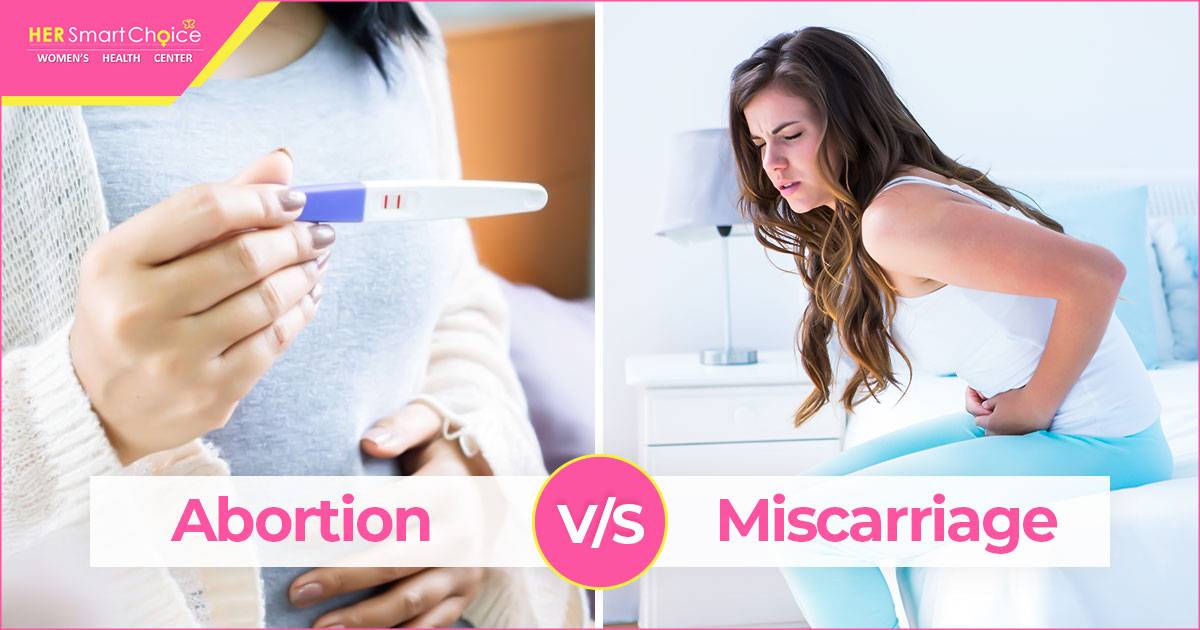
Abortion vs. Miscarriage: Understanding the Differences

The journey of pregnancy is filled with many ups and downs, and sometimes, unexpected events can occur that bring about questions and concerns. Two of these events that often cause confusion are abortion and miscarriage. Let’s explore the clear distinctions between these two terms, helping you grasp the differences and navigate these sensitive topics. 


Abortion: A Choice Made


Abortion is a deliberate choice made by a woman to end her pregnancy. This decision can be influenced by various factors, such as health concerns, personal circumstances, or the woman’s choice not to continue with the pregnancy. It’s crucial to note that abortion is a legal medical procedure in many places, allowing women to terminate pregnancies safely.


If you have a doubt, when can you get an abortion? So, this choice can be made within a specific timeframe, usually up to the 24th week of pregnancy. Abortions can be carried out through medications or surgical procedures. Medical abortions involve taking prescribed medications, such as Misoprostol and Mifepristone, under medical supervision to induce the termination of the pregnancy. Surgical abortions, on the other hand, involve a minor surgical procedure to remove the pregnancy from the uterus, which is performed at a women’s health clinic


Miscarriage: Nature’s Unpredictable Turn 


A miscarriage, often referred to as a spontaneous abortion, is the loss of a pregnancy before the fetus is able to survive independently. Unlike abortion, a miscarriage is not a choice; it’s an unexpected event that can occur due to various reasons, many of which are beyond anyone’s control.  


Miscarriages usually happen in the early stages of pregnancy, often before the 20th week. They can occur due to genetic abnormalities, hormonal imbalances, uterine issues, or a combination of factors. Signs of a miscarriage can include vaginal bleeding, abdominal pain, and the passing of tissue from the vagina.


Dangers and Complexities of Miscarriage versus Abortion
 

risks of abortions vs miscarriage


Miscarriages stem from natural and uncontrollable factors, necessitating medical attention to mitigate the associated risks. Conversely, abortion is a secure procedure with fewer hazards.


Potential risks linked to miscarriage encompass:

  • Elevated body temperature 
  • Shivering or cold sensations
  • Soreness in the lower abdomen
  • Foul-smelling vaginal discharge
  • Uterine infection


On the other hand, the risks associated with abortion entail:

  • Incomplete abortion (in instances of medical abortion)
  • Profuse and prolonged hemorrhaging
  • Infection
  • Fever
  • Cervical impairment
  • Uterine perforation


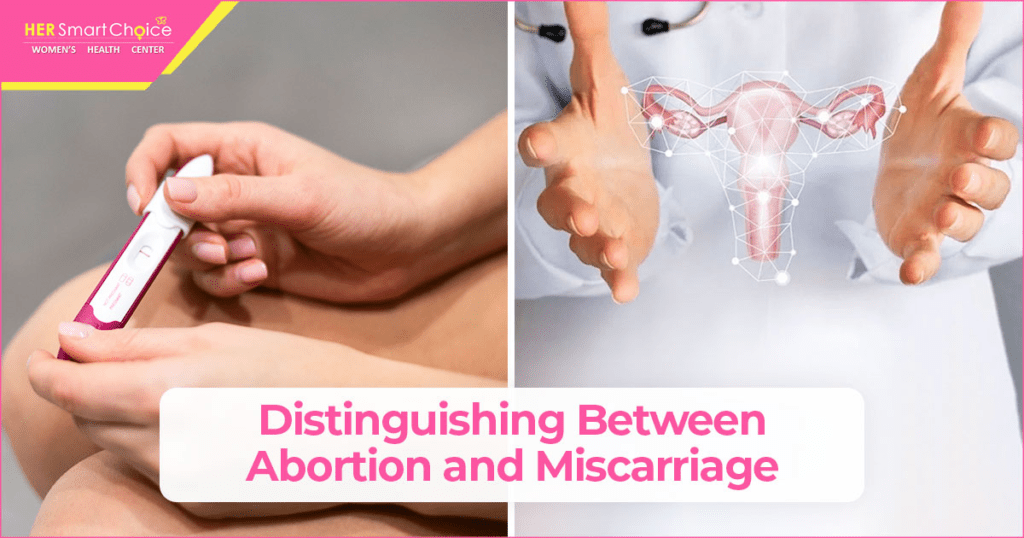
Distinguishing Between Abortion and Miscarriage
 

difference between abortion and miscarriage


Intent: The most fundamental distinction between abortion and miscarriage is intent. Abortion is a purposeful decision to end a pregnancy, while miscarriage is an unplanned and involuntary event.


Medical Intervention: Abortions often involve medical interventions, whether through medications or surgical procedures. In contrast, medical intervention is not generally required for a miscarriage, as it is a natural process.


Timing: Abortions are typically performed within a specified timeframe, usually up to the 24th week of pregnancy. Miscarriages can occur at any point during the pregnancy, but they are more common in the early stages.


Causes: Abortions are often driven by personal reasons, while miscarriages can occur due to a range of biological factors that may or may not be within anyone’s control.


Emotional Impact: Both abortion and miscarriage can have emotional effects on individuals. However, the emotional response to an abortion may vary depending on the circumstances and personal beliefs, while a miscarriage can bring about a mix of grief, confusion, and sadness due to the unexpected loss.


Navigating the Emotions
 

women's health clinic


Both abortion and miscarriage can elicit a wide range of emotions. It’s important to acknowledge that these feelings are valid and that seeking support from healthcare professionals, counselors, friends, or support groups can be immensely beneficial.  


Make Sure To Cope with Feelings


Both abortion and miscarriage can bring many feelings. Remember, these emotions are valid. It’s okay to reach out for support from doctors, counselors, friends, or groups that can understand and help.


In the end, understanding these distinctions lets you navigate the unexpected turns of pregnancy with more knowledge and sensitivity. Whether facing a choice about abortion or dealing with the emotional impact of a miscarriage, having this understanding can make the journey a bit smoother. If you have any queries, you may reach out to Her Smart Choice, nearest abortion clinic in California, to obtain adequate knowledge and resources. 
 

Read more...
miscarriage

Miscarriage: What Do You Need To Know?

Nowadays, overburdening and stress in life impact the reproductive health of women. Whether it’s the menstruation cycle or pregnancy, mental stress overlaps everything. This is the reason that women need to enhance their knowledge and obtain the right guidance on miscarriage. Let’s explore the types of miscarriage, how you can have it, and how painful it is. 


What is a Miscarriage?


what is a miscarriage


A miscarriage happens when a baby in the fetus stops growing and cannot survive. This usually occurs before the 20th week of pregnancy. If this happens after the 20th week, it’s called a stillbirth.


Doctors call a miscarriage a “spontaneous abortion.” It’s one of the most common problems in early pregnancy. Sadly, about 1 in 4 pregnancies ends in a miscarriage.


Most miscarriages occur in the first few months of pregnancy. Around 85% of them happen before 12 weeks. Sometimes, a woman might have a miscarriage even before she knows she’s pregnant.


Even though miscarriages are quite common, they can be really sad and hard for the women going through them.


Types of Miscarriage


types of miscarriages


Your healthcare provider may diagnose you with the following types of miscarriage:

  • Threatened Miscarriage:

A threatened miscarriage occurs when a pregnant person experiences symptoms such as vaginal bleeding and lower abdominal pain or backache during the early stages of pregnancy. Despite these concerning signs, the cervix remains closed, indicating that the pregnancy is still intact. In many cases, the pregnancy continues without further complications. 


  • Inevitable or Incomplete Miscarriage:

An inevitable or incomplete miscarriage signifies that a miscarriage is actively taking place. It is characterized by heavier bleeding and more intense abdominal or back pain compared to a threatened miscarriage. The cervix is open in this scenario, indicating that the body is in the process of expelling pregnancy tissues. If all pregnancy tissues are not fully expelled, it’s considered an incomplete miscarriage. 


  • Complete Miscarriage:

A complete miscarriage occurs when the body successfully expels all pregnancy tissues, including the embryo or fetus, from the uterus. This leads to a significant reduction in symptoms like bleeding and pain. After a complete miscarriage, the body typically begins to heal. 


  • Missed Miscarriage:

A missed miscarriage, also known as a silent miscarriage, happens when the embryo or fetus has stopped developing, but the body does not show immediate signs. There might be no symptoms like bleeding or pain. This type of miscarriage is often detected during routine ultrasound examinations, where the absence of fetal heartbeat or growth is observed despite the absence of apparent symptoms.


  • Recurrent Miscarriage:

Recurrent miscarriage is diagnosed when a person experiences three or more miscarriages within the initial trimester of pregnancy. It’s a distressing condition that requires a thorough medical investigation to identify potential underlying causes. Various factors, including genetic, hormonal, anatomical, immunological, and lifestyle factors, might contribute to recurrent miscarriages.


What happens first during a first miscarriage?


women's health


It’s difficult to predict the initial signs of a miscarriage because everyone’s body reacts differently. There are instances when no signs of miscarriage appear, and you only discover the pregnancy loss during a special ultrasound check. While many people will feel some cramps and see some bleeding, what actually starts the process can be different for each individual.


How do I know I’m having a miscarriage?


reproductive healthcare


Most of the time, you’re unaware of the miscarriage. Here are the most common signs and symptoms of miscarriage.

  • Cramping and abdominal discomfort (typically more intense than menstrual cramps)
  • A mild to severe lower backache may be present.
  • A decrease in pregnancy-related symptoms.


Are you experiencing any of these symptoms? If yes, you may contact your pregnancy healthcare provider the same day or visit the women’s health clinic. Her Smart Choice, a leading Women’s Health Center, provides walk-ins and same-day appointments that allow you to meet the requirements of your health quickly and without delay. 


How long does a miscarriage take?


time duration for miscarriage


The duration of a miscarriage can vary in every case, as it’s influenced by several factors. In general, a miscarriage might take a few days to a few weeks to complete. The timing largely depends on the stage of pregnancy, the individual’s body, and the type of miscarriage.


Early miscarriages, occurring within the first trimester, often occur relatively quickly. This could involve several days of cramping and bleeding, with the body naturally expelling the pregnancy tissue. 


On the other hand, a miscarriage that happens later in the first trimester or beyond might take more time, potentially a few weeks, as the body adjusts and gradually eliminates the pregnancy tissue.


Medical interventions, such as medications or surgical procedures to remove the remaining tissue, can also impact the timeline. After a miscarriage, bleeding might continue for a week or two, tapering off gradually. However, this can vary from person to person.


Remember that emotional healing is just as important as physical recovery. Grieving and coming to terms with the loss may take longer than the physical aspects of a miscarriage. For that, you can consult with experienced counselors of Her Smart Choice, via telehealth or face-to-face meetings. Further, if you have concerns about the duration of any unusual symptoms during or after a miscarriage, it’s crucial to consult a healthcare provider for guidance and support. 


How Painful is a miscarriage?


how painful is miscarriage


Experiencing a miscarriage can be an emotional and physical challenge, and one common concern is the level of pain associated with it. It’s important to remember that the pain experienced during a miscarriage can vary greatly from person to person. Here’s a simple breakdown of what you might expect when it comes to the pain of a miscarriage.


Unique Nature of Miscarriage: Like pregnancy, the experience of miscarriage is also unique for every woman. During the procedure, some women might feel intense cramping, while others might have cramps that resemble their regular menstrual discomfort. Your body’s response can be influenced by various factors, including the stage of pregnancy, your overall health, and your individual pain tolerance.


Miscarriage Types and Pain Levels: The type of miscarriage you’re going through can also impact the level of pain. If you’re having a complete miscarriage at home, you might experience stronger pain compared to someone who has a surgical procedure to remove the pregnancy. A missed miscarriage, where the body doesn’t recognize the loss immediately, might involve less intense pain.


Cramping and Discomfort: Cramping is a common aspect of a miscarriage. It’s often described as a strong, steady pain in the lower abdomen. Some women equate it to severe menstrual cramps. The pain might come and go or remain constant, and it’s usually accompanied by bleeding.


Managing Pain: If you’re concerned about the pain associated with a miscarriage, it’s essential to communicate with your healthcare provider. They can offer guidance on managing the discomfort, suggest pain relief options, and provide insight into what’s considered a normal level of pain. Applying a heating pad, taking over-the-counter pain relievers (if approved by your doctor), and practicing relaxation techniques can sometimes help ease the discomfort.


Emotional Impact: While physical pain is a concern, it’s also important to acknowledge the emotional impact a miscarriage can have. Remember that seeking emotional support from friends, family, or a mental health professional is just as crucial as addressing physical pain. 


Final Thoughts

To sum up, dealing with miscarriage involves knowing, getting help, and taking care of yourself. If you understand the different types of miscarriage, can handle any pain, and know how long it might take, you can start healing. It’s important to seek help from doctors at women’s health clinics and talk to people who support you emotionally. This way, you can work towards feeling better in a complete and caring way.

Read more...
how painful is abortion

Is abortion painful? Exploring the Post-Medical Abortion Journey

Abortion remains a topic that sparks continuous controversy, fueling ongoing debates. Whether it is medication or surgical abortion, one must know how to deal with it after the procedure is complete. Today, we seize all your focus on whether abortion is painful or not and how to deal with the post-medical abortion situation in California.


What is Medical Abortion?


A medical abortion procedure includes the use of medication to terminate an early pregnancy. It is a non-surgical procedure that is effective within the first 10 weeks of pregnancy. The process typically involves two medications: mifepristone and misoprostol. It is considered the easiest way in which you can access treatment from the comfort of your home. 


The Immediate Aftermath: What to Expect


after abortion care


After taking the medications for your abortion, it’s normal to experience a range of feelings. These might include relief, a mix of emotions, or even uncertainty. Remember that everyone’s reaction is unique, and whatever you’re feeling is valid. Let’s explore further:


Physical Changes and Discomfort


Bleeding and Cramping: It’s common to experience bleeding, similar to a heavy period, for several days to weeks. Cramps, which can range from mild to strong, might accompany the bleeding. This is your body’s natural response to the abortion process.


Passing Tissue: During the abortion process, you might pass tissue from your uterus. This can be a part of the embryo or the pregnancy lining. It might feel different from your usual period, but it’s a normal part of the process.


Breast Changes: Some people might notice changes in their breasts, such as tenderness or swelling. These changes are usually temporary and will diminish.


Emotional Well-being and Mental Health


Mixed Emotions: It’s common to have a mix of emotions after a medication abortion. These might include relief, sadness, guilt, or even a sense of empowerment. Give yourself permission to feel whatever you’re feeling.


Coping Strategies: If you find yourself struggling emotionally, consider talking to a supportive friend, family member, or mental health professional. They can provide you with strategies to cope with your emotions and offer a safe space to express your feelings. 


Is abortion painful?


is abortion painful?


So, is abortion painful? The answer is that medical abortion typically involves pain similar to strong menstrual cramps. The process includes taking medication at home, which leads to uterine contractions and bleeding, similar to a heavy period. Some women may experience discomfort, while others might have more intense cramping.


However, there are some pain management options, such as over-the-counter pain relievers, that can help alleviate discomfort. It’s advisable to consult a healthcare provider before undergoing a medical abortion to discuss pain management strategies and ensure proper guidance throughout the process.


How To Access Medical Abortion in California


medical abortion pills


Seeking Medical Advice:

If you are considering a medical abortion, it is essential to consult with a healthcare provider. They will evaluate your health history, perform necessary tests, and provide information about the procedure, its risks, and possible side effects. In California, there are numerous healthcare providers, including clinics and hospitals, that offer reproductive healthcare services.


Obtaining the Medication:

After a medical evaluation, your healthcare provider will prescribe the necessary medications. In California, mifepristone and misoprostol are FDA-approved and can be obtained from a pharmacy with a prescription. There are also telemedicine options available at Her Smart Choice Women’s Health Clinic, allowing individuals to consult with a healthcare provider remotely and receive the medication by mail.


Access to Essential Support and Helpful Resources


women's health clinic


Counseling and Emotional Support:

The decision to have an abortion can be emotionally challenging. California recognizes the importance of providing support and counseling services to individuals facing this decision. Many healthcare providers, like Her Smart Choice, offer counseling services or can refer you to organizations that provide unbiased, non-judgmental support.


Confidentiality and Privacy:

California upholds strict confidentiality laws when it comes to reproductive healthcare. Your personal and medical information is protected, ensuring your privacy throughout the process. You have the right to seek medical care without fear of judgment or discrimination.


Financial Assistance:

California offers financial assistance programs to help individuals access reproductive healthcare services, including medical abortions. These programs aim to reduce economic barriers and ensure that costs do not hinder an individual’s ability to access their reproductive rights.


Aftercare and Follow-up


post abortion care


Post-Abortion Care:

After a medical abortion, it is crucial to follow your healthcare provider’s instructions for aftercare. This may include taking prescribed medications, scheduling a follow-up appointment, and monitoring your physical and emotional well-being. If you have any concerns or questions, do not hesitate to reach out to your healthcare provider.


Contraception and Future Planning:

Following a medical abortion, it is essential to discuss contraception options with your healthcare provider to prevent future unintended pregnancies. California offers a range of contraceptive methods and family planning services to support individuals in making informed decisions about their reproductive health.


Final Thoughts

Your post-medical abortion journey is a combination of physical changes, emotional navigation, and supportive resources. It’s not a completely painful journey if you should follow all the instructions properly. Her Smart Choice in California stands by your side, emphasizing privacy, support, and access to essential reproductive healthcare. If you have any queries, feel free to reach out to us. 
Read more...
spotting between birth control

Spotting Between Birth Control: What You Need to Know

Nowadays, using birth control methods to manage reproductive health is common among many individuals. While birth control is effective in preventing pregnancy, some women might experience unexpected spotting between periods. Are you one of them? If yes, then this blog will become your true guide.


Also, you will explore the causes, potential concerns, and ways to manage spotting that can occur while using birth control.  


Understanding Spotting Between Birth Control


birth-control

Spotting, also known as breakthrough bleeding, is when you notice small amounts of blood between your regular periods. It can be quite unsettling, but it’s relatively common, especially among those using hormonal birth control methods like pills, patches, rings, or hormonal IUDs.


Hormonal Fluctuations

Hormonal birth control works by regulating your hormones to prevent pregnancy. Sometimes, the body takes time to adjust to these hormonal changes, leading to spotting. This is particularly common during the initial months of using a new birth control method.    


Missed or Irregular Doses

For birth control methods like pills, consistency is crucial. Missing or taking pills at different times can disrupt the hormonal balance, causing spotting. It’s essential to take your pills as directed by your healthcare provider.


Hormonal IUDs

Intrauterine devices (IUDs) release hormones that prevent pregnancy. Spotting might occur, especially during the first few months after insertion. This is because your body is adapting to the hormone levels released by the IUD.


Uterine Changes

Some birth control methods, like the hormonal IUD, can cause changes in the uterine lining. This might lead to occasional spotting as your body adjusts to the new environment.


Interaction with Other Medications

Certain medications, like antibiotics or anti-seizure drugs, can interfere with hormonal birth control’s effectiveness, potentially leading to spotting or breakthrough bleeding.


Is Spotting a Cause for Concern?


women's health clinic


Spotting between birth control cycles isn’t always a cause for alarm. It’s often a result of your body adjusting to hormonal changes or missed doses. However, there are situations where spotting might indicate a need for medical attention:

Severe or Prolonged Spotting

If you experience heavy or prolonged spotting that lasts for more than a few days, it’s a good idea to consult your healthcare provider. They can help determine whether your birth control method needs adjustment or if there’s an underlying issue.


Pain or Discomfort

Spotting accompanied by pain, cramping, or discomfort could be a sign of an infection, a misplaced IUD, or another medical condition that needs attention.


New or Unusual Symptoms

If you notice new or unusual symptoms, like fever, chills, or unusual vaginal discharge along with spotting, it’s essential to seek medical guidance.


Managing Spotting Between Birth Control

While spotting can be bothersome, there are steps you can take to manage it:


Consistency with Birth Control

Follow your birth control regimen consistently. Take your pills at the same time daily, change patches or rings as directed, and keep up with your IUD’s maintenance schedule.


Give It Time

During the initial months of using a new birth control method, your body needs time to adjust. Spotting might decrease as your body becomes accustomed to hormonal changes.


Consult Your Healthcare Provider


birth control clinic


If spotting persists or concerns you, don’t hesitate to consult your healthcare provider. They can offer personalized advice, suggest adjustments to your birth control, or check for any underlying issues.


Track Your Symptoms

Keep a record of your spotting episodes, their duration, and any accompanying symptoms. This information can assist your healthcare provider in making the most appropriate decisions.


Final Thoughts 

Spotting between birth control cycles might be unexpected, but it’s usually a result of hormonal adjustments or missed doses. While it’s not always a cause for concern, it’s essential to pay attention to the severity, duration, and accompanying symptoms. Open communication with your healthcare provider is key to managing spotting effectively. Remember, everyone’s body reacts differently to birth control, so what works for one person might not be the same for another. Stay informed, stay consistent, and prioritize your reproductive health.

Read more...
post-abortion bleeding

Managing Post-Abortion Bleeding: A Comprehensive Guide


Are you curious to know how much bleeding is normal after an abortion? The heaviest bleeding usually occurs within 2–5 hours after taking Misoprostol, but it should ease off within 24 hours. You might also have intense cramping and bleeding for 3-5 hours, though it can vary.


Experiencing an abortion can be a significant event in a person’s life, and it is crucial to have accurate information about what to expect afterward. One common concern that arises after an abortion is post-abortion bleeding.


Are you experiencing anxiety due to the possibility of excessive bleeding after an abortion? Let’s explore it further.


While some bleeding is expected, it is essential to understand what is considered normal and when to seek medical attention. In this comprehensive guide, you will learn everything you need to know about how much bleeding is normal after an abortion, how to manage post-abortion bleeding and receive helpful tips for a smooth recovery.


Understanding Post-Abortion Bleeding


post abortion bleeding


After an abortion, whether it is a medication abortion or a surgical procedure, some level of bleeding is expected. This bleeding occurs as the body sheds the uterine lining that is built up during pregnancy. The amount and duration of bleeding can vary from person to person and may depend on factors such as the type of abortion and how far along the pregnancy was.


How Long Does Post-Abortion Bleeding Last After Taking Abortion Pills?


how long do you bleed after abortion pill


After using abortion pills, you may experience light bleeding that can last for 1-3 weeks. But don’t worry; your regular menstrual period should return within 4-6 weeks.

It’s entirely normal for your body to take some time to empty the uterus fully. Some women may have heavy bleeding for up to 48 hours and pass clots for days or weeks after using Misoprostol.

This is common and generally not concerning unless you soak through more than two maxi pads per hour for 2 hours or more or pass heavy clots more significant than a golf ball. However, do not forget that every woman’s body and experience are unique when it comes to post-abortion bleeding results.


Abnormal Bleeding


While some bleeding is normal, it is essential to recognize signs of abnormal bleeding that may require medical attention. If you experience any of the following, it is advisable to consult a healthcare provider:

  • Soaking through more than one pad or tampon per hour for several hours in a row.
  • Passing larger than normal blood clots (larger than a golf ball).
  • Experiencing severe abdominal pain or cramping that does not improve with over-the-counter pain relievers.
  • Foul-smelling discharge or fever, which could be a sign of infection.


Tips for Managing Post-Abortion Bleeding


managing post abortion bleeding


Rest and Hydration: It is essential to take rest and stay hydrated to avoid making the bleeding worse, as fatigue and dehydration can worsen its effects.


Avoid Strenuous Activities: You should avoid engaging in physically demanding activities or heavy lifting that may worsen bleeding or put additional stress on the body.


Use Pads, Not Tampons: You can avoid using tampons during post-abortion bleeding, as they can increase the risk of infection. Instead, it is good to use sanitary pads.


Watch for Excessive Bleeding: While some bleeding is normal after an abortion, it is essential to keep an eye on the volume of blood loss. If you soak through more than one pad in an hour for several hours or pass large blood clots, seek medical attention immediately.


No Intercourse: You can take a break from sexual intercourse until your healthcare provider gives the green light. This can help prevent infections and allow your body to heal.


Follow Medical Advice: Your healthcare provider will provide post-abortion care instructions. It is essential to follow them closely to promote healing and minimize complications.


Monitor for Signs of Infection: Watch for symptoms of infection, such as fever, severe abdominal pain, foul-smelling discharge, or prolonged bleeding. If you observe any of these symptoms occurring, make sure to seek medical attention immediately.


Hydration and Nutrition: Staying hydrated and maintaining a healthy diet can support the healing process faster. Drink plenty of fluids and consume nutritious foods rich in iron and vitamins to aid in replenishing lost nutrients.


Avoid Irritants: To prevent infection and promote healing, it is essential to avoid irritants such as douching, swimming in pools or hot tubs, and sexual intercourse until your healthcare provider gives the green light.


Emotional Support: Undoubtedly, going through an abortion is emotionally challenging. It is good to seek support from trusted friends, family, or counselors. It helps you process your feelings and emotions during this time.


Seeking Medical Attention


abortion clinic


While most cases of post-abortion bleeding are normal and resolve on their own, it is crucial to keep an eye on any signs of concern. Make sure to contact your healthcare provider if you experience the following symptoms:

  • Excessive bleeding that requires changing a pad every hour for several consecutive hours.
  • Severe pain that is not relieved by over-the-counter pain medications.
  • Passage of large blood clots, especially if they are accompanied by heavy bleeding.
  • Foul-smelling discharge or signs of infection, such as fever or chills.
  • Prolonged bleeding that lasts longer than a few weeks


Final Remarks


Managing post-abortion bleeding requires knowledge, self-awareness, and a proactive approach to one’s well-being. By understanding what makes up normal bleeding, recognizing signs of concern, and following practical tips for managing and monitoring bleeding effectively, you can go through this aspect of the post-abortion recovery process with confidence.

If you have any doubts related to post-abortion bleeding or want professional medical assistance, feel free to reach out to Her Smart Choice in California. We are available for same-day appointments for you!

Read more...
pregnancy and pelvic pain

Pregnancy and Pelvic Pain: Causes, Management, and Relief


Pregnancy is a soothing journey that gives pleasure but also brings some physical changes to Women’s bodies, including pelvic pain. Pelvic Pain might be a symptom of infection or pain in the pelvic bone, but living with it can be challenging. It can cause trouble in your daily life that may not be easy to manage. However, if you’re experiencing discomfort due to pelvic during pregnancy, you’re not alone. 


In this blog post, you will learn about the causes of pelvic pain during pregnancy, manage strategies, and explore how to find relief. Understand the causes and management techniques that can help in navigating this aspect of pregnancy without any trouble. 


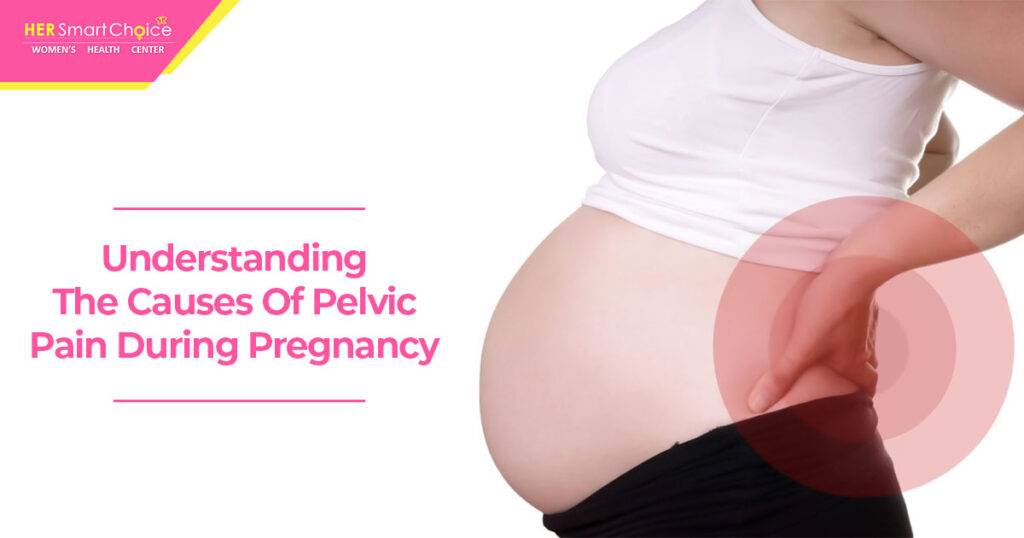
Understanding The Causes Of Pelvic Pain During Pregnancy


pelvic pain causes


Hormonal Changes: The body of a woman undergoes several hormonal changes during pregnancy. One hormone which is known as relaxin, plays a crucial role in preparing women’s bodies for childbirth. Relaxin works by relaxing the joints and ligaments in the pelvis. Further, it allows the baby to come out of easier passage during delivery. However, the effect of hormonal can lead to increased joint mobility and cause pelvic pain. 


Ligament Stretching: The stretching and strain on the ligaments can cause when the baby grows. The growth expands the uterus and pressurized the surrounding ligaments that support the uterus. Further, it leads to pelvic pain. In the second trimester, the stretching becomes more notable.


Weight and Posture Changes: In pregnancy, weight gaining is a common phenomenon. The growing uterus can change the women’s center of gravity which shifts her posture. These changes in the body alignment add stress to the pelvic area. 


Pressure on Nerves: With the growth of the baby, the expanding uterus can put excess pressure on nearby nerves, including the sciatic nerve. You can feel pain from the lower back and down the leg as a cause of this pressure. This pain can provide you discomfort during pregnancy. 


Management and Relief Strategies


pelvic pain during pregnancy


Pelvic Support: If you use a maternity belt or pelvic support garment, it will provide support to the pelvic area and help in relieving pressure and stabilize the joints.

  • Prenatal Exercises: If you keep yourself engaged in related exercises during pregnancy, then it will strengthen the muscles support the pelvis, and promote overall stability. Here are some of the specified exercises:


  • Pelvic floor exercises: These exercises, also known as Kegel exercises, strengthen the pelvic floor muscles by providing support to the pelvic area. 


  • Prenatal Yoga: There are some gentle yoga poses that are specifically designed for pregnant women. It can help in improving flexibility, provide relaxation and prevent discomfort. 


  • Prenatal Pilates: These prenatal exercises can improve posture and strengthen core muscles. 


Body Mechanics And Posture: It is good to practice proper body mechanics and maintain good posture throughout the day to alleviate pelvic pain. In it, you have to avoid sitting or standing in one position for long. You can use a supportive chair with proper back support during pregnancy. 


Heat and Cold Therapy: To reduce pelvic pain during pregnancy, you can use cold packs or heat packs to relax muscles and reduce inflammation and excessive pain. You can experiment with both method, heat or cold, to check which provide you relief. 


Rest and Sleep: It is crucial for pregnant women to take adequate rest and quality sleep to manage pelvic pain. You can even take the help of a supportive pillow to sleep better. It will also provide relief from the pressure on the pelvis. You may experiment with different sleeping positions for a comfortable sleep. 


Alternative Therapies: In pregnancy, you can explore complementary approaches that can provide relief from pelvic pain, such as prenatal massage, chiropractic care, and acupuncture. You can consult with the experts of the leading women’s health clinic, Her Smart Choice. It is crucial to consult with specialists before performing any exercise during pregnancy for safety. 


Seeking Professional Guidance


women's health clinic


It is good to consult with an experienced healthcare provider at a women’s health clinic. They will help in addressing pelvic pain during pregnancy and provide effective strategies to manage them. 

You may also consult with midwives and physical therapists to obtain individual treatment plans. Also, they will meet the specific needs and conditions of each pregnant individual. 


Conclusion 


Undoubtedly, experiencing pelvic pain during pregnancy can discomfort you, but understanding its cause and effective management techniques can help you to cope with it. Recognizing the above-mentioned factors, appropriate exercises, professional guidance, and relief strategies help you to explore great comfort during pregnancy. It allows you to enjoy your transformation journey of becoming a mother without any discomfort. Remember, it is good to consult with the experts of women’s healthcare professionals for personalized advice, pelvic pain management, and support related to pregnancy.

Read more...
abnormal bleeding

Abnormal Bleeding: Causes, Symptoms, and Treatment Options

What is Abnormal Bleeding?


Abnormal bleeding is basically uterine bleeding that refers to any variation in the normal menstrual cycle. This term is broadly spread and includes various types of bleeding patterns, such as irregular bleeding, heavy periods, or bleeding between periods. If you want to seek medical help, you must understand the difference between normal and abnormal bleeding. 


In addition, normal bleeding of the menstrual period occurs in a specific or predictable pattern for about 21 to 35 days. If we analyze the moderate flow of menstruation, then the bleeding itself lasts for an average of 4 to 7 days. This flow of bleeding requires changing a pad every few hours. However, menstrual cycles can vary from woman to woman. 


What Causes Heavy Abnormal Bleeding?

abnormal bleeding causes


Menorrhagia is a medical name for heavy abnormal bleeding that can have several underlying causes. It is essential to keep in mind that heavy bleeding is relative, but not the same for every person. It can be heavier for one person and may be normal for another. Here are some of the potential causes that can be resulted in heavy abnormal bleeding:


Hormonal Imbalances – It specifically refers to the increase of estrogen relative to progesterone, which means it can upset the normal menstrual cycle. As a result, it leads to heavy bleeding. Conditions like PCOS or certain thyroid disorders can contribute to hormonal imbalances. 
 

Uterine Fibroids – It is a kind of noncancerous growth that develops in the uterus’ muscular walls. The cause is that they can vary in size and location which can cause heavy bleeding during the menstrual cycle. It can also distort the uterine cavity. 


Presence of Endometrial Tissue – This tissue is present within the muscular walls of the uterus. It can cause enlargement of the uterus, resulting in heavy and painful periods. 


Growth Within Uterus Lining – The benign growth that develops within the uterus lining can lead to heavy and prolonged menstrual bleeding. It specifically happens when they become disrupted. 


Excessive Thickening of Uterine Lining – Excessive thickening can occur due to hormonal imbalances. It includes an excess estrogen relative to progesterone as mentioned before. This term can lead to heavy menstrual bleeding. 
 

Blood Disorders – Certain blood disorders can also impair the normal clotting process which further results in heavy bleeding during menstruation. 


Pelvic Inflammatory Disease– PID is a kind of infection that affects women’s reproductive organs. It consists of the uterus, ovaries, and fallopian tubes. Inflammation and scarring can contribute to heavy or irregular menstrual bleeding. 
 

Certain Medications – If you have taken certain medications, such as anti-inflammatory drugs then it can lead to heavy bleeding. It can also interfere with the ability of the blood to clot in an accurate way. 


Intrauterine Devices (IUDs) – IUDs play a vital role in abnormal bleeding. Hormonal IUDs reduce menstrual bleeding in some women, whereas non-hormonal or copper IUDs can lead to heavier bleeding during periods. 


Cancerous Conditions – It happens very rarely, but in some cases, heavy or abnormal bleeding can depict the symptoms of uterine or cervical cancer or precancerous conditions. In such situations, women must require prompt medical attention for adequate diagnosis and treatment. 


However, it is suggested that you must consult a healthcare professional if you are experiencing heavy abnormal bleeding. The experts of Her Smart Choice, a women’s health center, assist you to determine the underlying causes and develop a tailored and appropriate treatment plan that suits your health condition. 


Symptoms Of Abnormal Bleeding


symptoms of abnormal bleeding


  • You will feel weakness and fatigue due to excessive bleeding during periods, passing large blood clots, and anemia symptoms. 
  • Unpredictable menstrual cycle lengths or durations, inconsistent bleeding patterns.
  • Postmenopausal refers to vaginal bleeding that occurs after menopause.
  • Bleeding between periods that occurs outside of regular menstrual cycles, also known as intermenstrual bleeding. 
  • Occurrence of bleeding during or after sexual intercourse.
  • Gastrointestinal bleeding depicts the blood in the stool, black or tarry stools. 
  • Abnormal bleeding from the nose, and gums, or minimal injury to other body parts. 


Treatments That Can Help


abnormal bleeding treatments


Heavy Menstrual Bleeding: The hormonal birth control and anti-inflammatory drugs help you in reducing bleeding and pain, tranexamic to promote blood clotting, removal of the uterine lining, and surgical interventions if there are any severe cases. 


Irregular Menstrual Cycles: The treatment of irregular menstrual cycles depends on the underlying cause. Hormonal contraceptives, including birth control pills, patches, and hormonal IUDs can regulate cycles and hormones. 


Postmenopausal Bleeding: In postmenstrual cases, women require an immediate evaluation that the HSC center provides with its same-day services. The thinning of vaginal tissues can also be a sign of endometrial cancer or other gynecological conditions. Further ultrasound, biopsy, and diagnostic tests may be recommended to determine the cause and treatment. 


Bleeding Between periods: Treatments are based on underlying causes, yet hormonal contraceptives may be prescribed to regulate menstrual cycles. If the cause is due to infections or abnormalities, such as antibiotics or surgical removal may be essential. 


Bleeding During Or After Sexual Intercourse: You must contact a healthcare professional if you’re facing postcoital bleeding. It can involve infections, cervical or vaginal abnormalities, or, in rare cases, cancer. Its treatment will depend on the cause and other surgical or medication treatments. 


Conclusion


The above-given passages provide you the general information on abnormal bleeding and its causes. The categorization of heavy abnormal bleeding is also helpful information that lets you know the situations in which you need to be aware or need consultation. It is important to note that abnormal bleeding can have some severe impacts, including cervical cancer. Whether it is light spotting or heavier bleeding, you must consult healthcare professionals. 


The experienced healthcare providers of Her Smart Choice offer a proper evaluation, diagnosis, and appropriate treatment as per your health condition. Early detection and treatment help in managing abnormal bleeding and prevent potential complications. 

Read more...
can you get std without having sex

Concerns & Precautions: Can You Get An STD Without Having Sex

Can You Get An STD Without Having Sex? The answer is Yes you can.

Many of you may not be familiar with the possibility of getting an STD without having sex. Sexually transmitted diseases (STDs), is a disease that is associated with sexual activity, but you can get STDs without having sex.


In the following passages, you’ll learn about the several ways how can you get an STD without having sex. You may also get aware of the misconception related to non-sexual STDs concern and prevention. If you want to keep your sexual health safe then you have to understand these alternative transmission routes. So, let’s dive and learn about non-sexual STD transmission


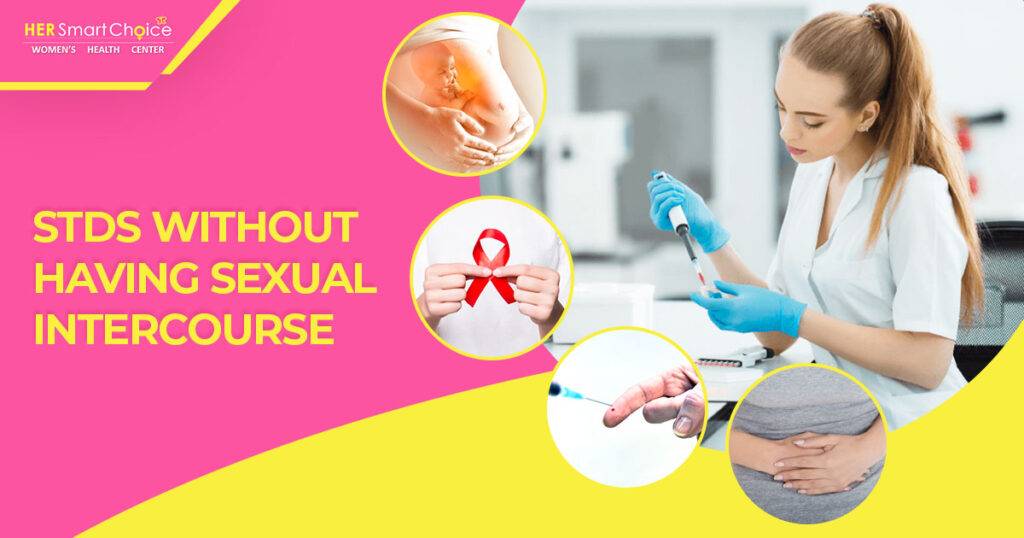
STDs Without Having Sexual Intercourse

non sexual stds

Mother-To-Child Transmission – One way is mother-to-child transmission through which you can acquire STDs without sexual intercourse. It is the primary way and is also known as vertical transmission. The infection can be passed during pregnancy, labor, and breastfeeding, from the mother to her baby. However, STDs like HIV, syphilis, hepatitis B, and herpes can be transmitted in this way that are explained further:


HIV: Human Immunodeficiency Virus that is popular as HIV, can be transmitted from mother to child. It may happen when an HIV positive mother is  pregnant, giving birth to a child, or breastfeeding. 


Syphilis: Syphilis is caused when a pregnant woman has untreated syphilis bacteria. Otherwise the infection can be transmitted to the fetus. It leads to congenital syphilis that can cause serious health complications for the baby. 


Hepatitis B: The HBV virus can be transmitted from an infected mother to newborn child during child’s birth. This viral infection affects the liver and causes chronic diseases untreated. 


Blood And Needle Exposure – Another significant way is via blood and needle exposure for non-sexual STD Transmission. The already used or shared needles, syringes, or drug paraphernalia can transmit blood-borne infections, such as HIV, hepatitis B, and hepatitis C. This infection can be transmitted with the contact of infected blood or other body fluids. 


Skin-to-skin Contact  – Some of the STDs like herpes, can be transmitted through skin contact. It doesn’t require sexual engagement. It consists of close contact during intimate activities, such as kissing or oral sex, the presence of open sores. These activities can facilitate the transmission of these sexually transmitted infections. 

To exemplify, herpes can be caused through the direct transmission from skin contact without engaging in sexual intercourse. The HSV can be transmitted through contact with oral, genital, or anal areas, specially when there are active sores present. 


Environment Exposure – Some STDs can be acquired through environmental exposure. To exemplify, there are public lice (crabs) that can spread with the sharing of contaminated bedding, towels, or clothing. Similarly, trichomoniasis is a parasitic infection that can be contracted through sex toys and damp towels.   


Precautions That You Need To Know

STD precautions

Practice Abstinence – Well, it’s a quite difficult task to practice abstinence but it is the most effective way to prevent STDs. If you choose to abstain from any sexual activity the risk of sexually transmitted infections can be eliminated. Abstinence is a personal choice and should be respected. 


Education & Awareness – It is essential to stay informed about STDs, even if you’re not active sexually. You can get knowledge of different types of infections and the potential risks associated with each. In such a situation, you can seek reliable sources of information, including healthcare websites, providers, and resources to stay updated about sexual health. 


Communicate and Set Boundaries – In any relationship, it is essential to set boundaries and make direct communication, whether it involves sexual activity or not. You can express your expectations and boundaries to your partner regarding physical contact and potential risks. Make sure to have open and clear communication to build trust and understanding. 


Maintain Personal Hygiene – To prevent STD transmission, it is essential to follow and adopt good personal hygiene practices, such as washing your hands with soap regularly, especially before eating. Make sure to keep your body clean and maintain proper genital hygiene. Use mild soaps without any harsh chemicals or scents to clean the genital area. 


Be Cautious in Medical Settings – Make sure to follow proper safety measures to control infections when seeing medical care. You can verify healthcare providers to ensure that they follow all the protocols when using medical instruments, needles, and other equipment.


Blood-borne Infections Information – Make sure to stay informed about blood-borne infections that can be transmitted through sharing needles or with contact with contaminated blood. Before receiving any medical treatment that includes the use of needles or blood products, make sure that healthcare providers use sterile equipment.


Conclusion 


The above-given information on the cause of STDs without sexual engagement and their prevention will be helpful for you. It clearly explains that sexually transmitted diseases are not limited to sexual intercourse alone but it’s a widespread disease. You can take prevention only if you’re aware of the several situations that can cause STDs without sexual intercourse. 


Prevention can be possible only if you follow all the above-given precautions and preventive measures positively. Make sure to make the communication clear and be cautious in medical settings and take other precautions to reduce the risk of contracting STDs. Empower yourself with the right and up-to-date knowledge to make informed choices and protect yourself from sexually transmitted infections.

Read more...
OBGYN los angeles

Role Of Gynecologists In Providing Medical Abortion Pills

One must have knowledge of how to deal with an unplanned pregnancy. Otherwise, it can cause damage to the reproductive life of women. It usually happens when women face unexpected pregnancy and she begins to seek information and explore too many options. However, medication abortion is considered one of the safest options, which is generally known as the abortion pill. 


The main concern is that many women wonder whether their gynecologist provides this service or not. In the following paragraphs, you will explore whether can gynecologists give you abortion pills. You can also learn alternative ways to access abortion medication. 


Understanding Medical Abortion

medical abortion

Before understanding medical abortion, it is essential to get accurate knowledge of laws, regulations, and medical guidelines on abortion access in your region. Medical abortion is a safe and effective method of pregnancy termination at an early stage and it is legal in California. As we discussed in the previous blog, Mifepristone and Misoprostol are the abortion pills to bring out a miscarriage.  


The medication procedure is entirely different from surgical abortion, which requires a professional team and a healthcare setting. Most of the time, women who want to keep the process private and desire to undergo the process in their homes must be in the gestational stage of pregnancy. 


Role Of Gynecologist In Providing Medical Pills 


Gynecologists, women’s reproductive health professionals, serve their patients with a wide range of services. These services consist of contraceptive counseling, routine check-ups, prenatal care, and managing other GYN-related conditions. Besides, the availability of abortion services through gynecologists can vary from region to region. 


Gynecologists prescribe and manage meditation pills for several conditions, such as menstrual irregularities, contraception, hormone imbalances, and more. It is a good idea to understand their expertise and be involved in medication that empowers women to make informed decisions. 


Comprehensive Counseling – Gynecologists are experts in handling several women’s reproductive health conditions. In the matter of abortion pills, professional GYN prescribes medical pills. Their main role begins with comprehensive and accurate counseling. During a consultation, gynecologists assess every aspect of women, such as their medical history, lifestyle, and other specific health issues to find the accurate abortion pills that meet their health concerns. 


Moreover, gynecologists address concerns and clarify your doubts related to reproductive health. Even they explain the whole details in simple language so that you can understand how to take the medication for effective results. Even the counseling helps the patients to make informed decisions regarding their reproductive health.  


Contraceptive Pills – Another primary role of gynecologists is to prescribe contraception medical pills. Contraceptive pills are basically used for birth control, which further offers women the ability, time, and space to plan their pregnancies later. Gynecologists guide you in selecting the most suitable option using their extensive knowledge of various types of contraceptive pills. They will provide you with an adequate option based on your requirements, lifestyle, and medical concerns. 


Gynecologists assess several factors of women’s health, such as medical history, any drug interaction, medicine or alcohol consumption, and preferences while prescribing contraceptive pills. They also monitor the patient’s response in concern with raising the course of dosage or not. 


Management of Menstrual Irregularities – The irregularities in the menstrual period impact the quality of life of women. The heavy periods and painful situations make women uncomfortable. Gynecologists play an important role to identify the cause of this irregularity and provide you with proper medication treatment for effective results and comfort. 


They may prescribe you hormonal medication pills to regulate your normal menstrual cycle and reduce pain. They also identify the associated symptoms if any and ensure medication effectiveness through ongoing monitoring. 


Hormone Imbalances and Disorders – Some of the imbalances and disorders, such as PCOS and hormonal acne require specialized management. Taking the assistance of Gynecologists is good, because of their expertise in diagnosing and treating these conditions via medication or surgical methods. Mostly, they prefer medication methods as per patients’ comfort.


To address hormonal imbalances and manage the related symptoms, gynecologists make essential testing. Not only this, they also monitor the progress of the patient and provide guidance as per the lifestyle. It doesn’t mean that there are no modifications done according to the medication. Adjustments are also part of the treatment that a professional explains to the patient and helps them in settling into it. 


Postpartum Care – Even after childbirth, a gynecologist plays a vital role in providing medication pills to reduce the pain. These medications are associated with postpartum care. It can help in preventing complications and support healthy recovery. 


Where do you get the abortion pill?

can your gynecologist give you abortion pill

Obtaining abortion pills also requires a safe move as some of the medical centers may also provide you with the less effective and wrong medication. Make sure to choose reliable and legal healthcare providers to receive the right gynecologists’ guidance. 


Here are some common healthcare settings where gynecologists can provide you the abortion pills:


Her Smart Choice Women’s Health Center: Her Smart Choice specializes in providing services for women’s reproductive health, including pregnancy-related care and abortion pills. You can obtain free testing and abortion pills from your nearby HSC Women’s Health Center. We are available at the following locations:

Her Smart Choice Women’s Health Center Los Angeles

Her Smart Choice Women’s Health Center Huntington Park

Her Smart Choice Women’s Health Center Van Nuys

Her Smart Choice Women’s Health Center Long Beach


Women’s Health Clinics: These centers offer a wide range of reproductive healthcare services and abortion services with the assistance of gynecologists.

Planned Parenthood: Parenthood is considered a prominent reproductive healthcare organization that offers comprehensive services, including abortion care. 

Family Planning Clinics: Family planning offers reproductive healthcare services, including contraception, prenatal care, and abortion. 


Conclusion 

In the above paragraphs, you may get to know about the role of gynecologists and how your gynecologist can give you the abortion pill. The experience of handling various patients and treating them with the right abortion medication makes them perfect. So, if you have any queries or doubts related to abortion medication, you can get the help of gynecologists by visiting your nearer healthcare center. 


Her Smart Choice is one of the trusted women’s healthcare centers, which will provide you with the best medication treatment. Even here you can get free abortion pills if you come under the low-income section. Meet the expert OB-GYN at the HSC clinic in your own region and get a same-day appointment and treatment.

Read more...

Birth Control Benefits: Factors to Consider When Selecting the Right Birth Control Method

The concept of birth control is beyond contraceptive pills. It consists of numerous options that are available to avoid an unexpected pregnancy. In this blog, you can explore some alternative birth control methods that best fit your situation. These methods include patches, vaginal rings, condoms, and birth control pills, including both hormonal and non-hormonal methods. Understanding the other birth control options helps an individual make an informed decision. 


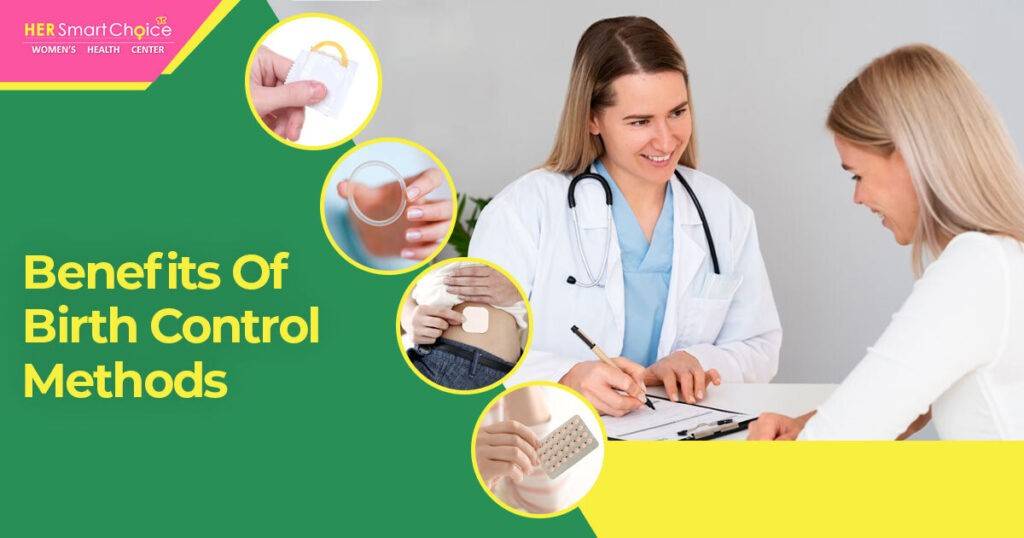
Benefits Of Birth Control Methods

birth control methods

Birth Control: Patches

Patches are an effective birth control method that is thin in material. It is placed on the skin that allows the hormone to easily release into the body. Moreover, patches contain estrogen and progestin. These both work together to thin the uterus lining, thicken cervical mucus, and most importantly prevent ovulation.

The use of patches is quite simple, it suggests wearing them on the buttocks, abdomen, upper arm, or upper torso (chest). They were followed by a patch-free week, which is usually changed once a week for three weeks. 


Pros of Birth-Control Patches

  • Patches are very convenient to use
  • It makes continued hormones release for three weeks
  • It doesn’t require daily attention like birth control pills.
  • It can also help regulate menstrual cycles and reduce cramps.


Birth Control: Vaginal Rings

The vaginal rings are transparent rings that are very flexible. It works as a birth-control method that is inserted into the vagina. They help in preventing pregnancy by allowing the continuous release of hormones like birth control pills. Generally, the ring is fit in place for three weeks and then removed for one week for intervals. 


Pros of Birth-Control Vaginal Rings

  • Vaginal rings are very convenient and discreet.
  • Similar to patches, it doesn’t require any daily attention.
  • It allows the steady release of hormones. 
  • It may also help in regulating menstrual cycles.


Birth Control: Condoms

Condoms are the non-hormonal barrier method of contraception between the penis and vagina. It prevents sperm from reaching the egg. The material used in condoms is made of latex, and polyurethane is available for both males and females. 


Pros of Birth-Control Condoms

  • It is easily accessible and widely available in every place. 
  • It is very helpful and effective in preventing both pregnancy and sexually transmitted infections (STIs).
  • It can be used whenever an individual needs it and having it doesn’t require prior planning. 
  • It has no hormonal side effects.


Birth Control: Pills 

Birth Control Pills are used as another oral contraceptive that contains hormones to prevent ovulation. It also helps in thinning the uterine lining and thickening cervical mucus. Pills need to be taken daily over a course of 21 days followed by 7-day hormone-free intervals. 


Pros of Birth-Control Pills

  • Birth control pills are highly effective only if taken correctly as per the prescription.
  • It can also help in the regulation of the menstruation cycles and manage acne.
  • It may also provide non-contraceptive advantages by reducing the risk of cancer.
  • Pills also offer flexibility in period timings. 


Factors That Needs To Be Considered

birth control options

Effectiveness – The primary factor is effectiveness when considering any of the birth control methods.  Each method has its own effective way to prevent pregnancy. It is essential to access the requirements and reliability you desire, such as long-term & reversible contraceptives, like IUDs and other implants are also highly effective, but the non-hormonal methods are varying in effectiveness. 


Health Considerations – Your health updates help the best in determining the righteous method of birth control. In an abortion clinic, the health provider will examine you before providing you with any consultation. Certain medications can be less suitable for your reproductive or overall health. That is why, a healthcare expert can provide you with consulting to ensure that the chosen method aligns with your health needs. 


Ease while Using –  It is essential to consider an easy and convenient method of birth control. For that, you can view the benefits of the methods and pick the one that is suitable for you in all matters; as some require daily care or some monthly attention. Even in long-term protection, you must check the access to your lifestyle, schedule, and preferences before choosing a method. 


Future Fertility Plans – Make sure to consider your future plans for getting fertility again when you pick up the birth control method. Some methods offer a quick return to fertility, like IUDs and implants. On the other hand, there are some permanent methods like tubal ligation, that are suitable for individuals who don’t want to expand their family anymore.


Conclusion 

Choosing a birth control method should be a personal decision for an individual. The above information helps you in selecting the right method that fits best with your health and other needs. You may understand the benefits of choosing any of the birth-control methods and their effect on your daily life. If you consider all the factors wisely, then you can make an informed decision. You can even get the help of a women’s health clinic to get the best counseling on birth-control methods.

Read more...
Safe Convenient Affordable Abortion Pills from Her Smart Choice, women's health center abortionabortion provider abortion pillsbirth controlfamily planning servicesGynecological ServicesUrogynecologyInfertilitypap teststd testingIUDSsurgical abortionMedication abortionwomen's health clinicabortion provider Her Smart Choice - Abortion Clinic and Gynecologist in Greater Los Angeles $50 - 1200 Price Range: $$$ 213-344-0267 2226 E Cesar Chavez Avenue, Los Angeles Her Smart Choice - Abortion Clinic and Gynecologist in Greater Los Angeles
2226 E Cesar Chavez Avenue, Los Angeles, CA 90033 213-344-0267 213-372-0307
icon Abortion medical abortionabortion consultationabortion - unwanted pregnancyabortion care
2226 E Cesar Chavez Avenue, Los Angeles, CA 90033 213-344-0267 213-372-0307
abortionabortion provider abortion pillsbirth controlfamily planning servicesGynecological ServicesUrogynecologyInfertilitypap teststd testingIUDSsurgical abortionMedication abortionwomen's health clinicabortion providerObstetrician & Gynecologist
Dr. Vikra Kothandaraman(866)392-1853 doctor.com/Dr-Vikram-Kothandaraman

Phone: (866)392-1853

2226 E Cesar Chavez Avenue, Los Angeles, CA 90033 866-392-1853 866-392-1853
2226 E Cesar Chavez Avenue, Los Angeles 866-392-1853 $75 - 1500 Price Range: $$$ $150.00 physician doctor