

Can You Still Have an Abortion if You Have an STI? A Clear Guide to Safe Care and Possible Risks

In most cases, yes — you can still have an abortion if you have a sexually transmitted infection (STI). What matters is timely testing and treatment, because untreated infections can slightly raise the chance of rare but serious complications. This guide explains what STIs are, why screening before a procedure helps, and which infections most commonly affect abortion safety so you can make informed choices. You’ll learn how untreated STIs can increase risks like pelvic inflammatory disease (PID), sepsis, and long-term reproductive harm, which symptoms need urgent attention, and how clinicians commonly manage chlamydia, gonorrhea, herpes, HIV, and HPV. We also describe a practical clinic pathway — test, treat, proceed — used to lower complication risk, plus easy-to-read tables, FAQs about confidentiality and same-day testing, and information on appointment and financial help to improve access to confidential care.
Follow Us!
What Are STIs and Why Is Testing Important Before an Abortion?
STIs (sexually transmitted infections) are infections most often passed through sexual contact that can affect the cervix, uterus, fallopian tubes, or overall health. Common examples include chlamydia, gonorrhea, herpes simplex virus, HIV, and HPV. Many STIs cause no noticeable symptoms, so routine screening before invasive or medical procedures like abortion is important. Testing finds infections that could allow bacteria to move up into the uterus or fallopian tubes during or after a procedure, and identifying them lets clinicians treat and lower complication risk. Early testing also enables same-day or rapid treatment at many clinics, helping protect reproductive health without unnecessary delays to abortion care.
What Are the Most Common STIs Affecting Abortion Safety?
Chlamydia and gonorrhea are common bacterial infections that are often symptom-free and are most relevant to abortion safety because untreated cases can lead to pelvic inflammatory disease. These infections are usually detected with nucleic acid amplification tests (NAAT) from cervical swabs or urine samples and are treated with effective antibiotics that can be started quickly to reduce the chance of ascending infection. Herpes simplex virus causes recurrent genital sores; active lesions matter for surgical procedures and may prompt antiviral treatment or timing adjustments to reduce local complications. HIV and HPV have different implications: HIV requires coordination with antiretroviral therapy but usually does not prevent abortion when managed, while HPV affects cervical screening and may lead to additional evaluation before or after the procedure.
Why Is STI Testing Critical Even Without Symptoms Before Abortion?
Because many STIs don’t cause obvious symptoms, they can silently damage reproductive tissues or seed an infection during procedures. Testing before an abortion helps prevent avoidable complications and guides targeted treatment. Finding an infection lets clinicians start antibiotics or antivirals that lower the risk of PID and systemic infection, which helps protect fertility and reduces emergency complications. For many bacterial STIs, treatment can begin immediately and clinics often schedule abortion safely after treatment starts or after a short clearance period, depending on the infection and the type of abortion. If you need testing now, Her Smart Choice offers free, confidential STI testing and treatment — see the clinic workflow below to learn how we coordinate safe care.
What Are the Risks of Having an Abortion with an Untreated STI?
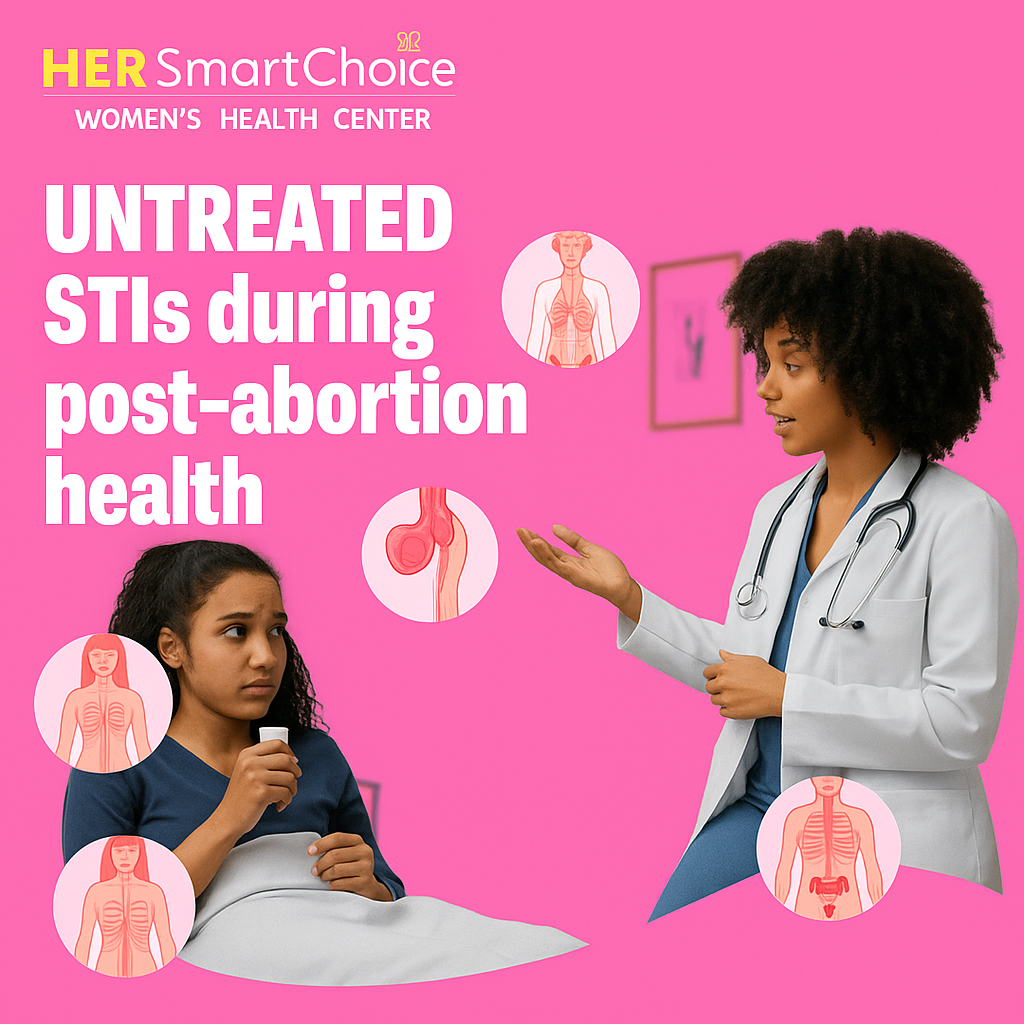
Having an abortion with an untreated STI can raise the chance that bacteria move from the cervix into the uterus and fallopian tubes, causing pelvic inflammatory disease (PID), which can lead to long-term reproductive harm. Immediate risks include localized infection and, rarely, sepsis if bacteria spread through the bloodstream. Over time, untreated infections can increase the risk of infertility, ectopic pregnancy, and chronic pelvic pain from tubal damage. Prompt testing and treatment greatly lower these risks, which is why screening before or at the time of abortion is a standard safety step in many clinics. Knowing the warning signs and when to seek urgent care helps patients get treatment early if problems arise.
Before we list specific risks, here are the common complications clinicians watch for and why early detection matters:
- Pelvic inflammatory disease: Infection that travels from the cervix into the upper reproductive tract.
- Sepsis: A rare but serious systemic infection that needs emergency care.
- Infertility and ectopic pregnancy: Tubal scarring from PID can make future pregnancy difficult and raise ectopic risk.
The table below summarizes the main complications, how an untreated STI changes their likelihood, key symptoms to notice, and the preventive actions your clinician will recommend.
| Complication | Likelihood Increase with Untreated STI | Symptoms to Watch For | Preventive Action |
|---|---|---|---|
| Pelvic Inflammatory Disease (PID) | Moderate to high | Lower abdominal pain, fever, abnormal discharge | Prompt antibiotic treatment; postponing elective procedures if clinically advised |
| Sepsis | Low but serious | High fever, rapid heartbeat, fainting, severe pain | Immediate emergency care and early infection management |
| Infertility / Ectopic pregnancy | Long-term increased risk | Difficulty conceiving; history of severe PID | Treat infection, follow-up testing, and fertility evaluation as needed |
These risks explain why routine screening and rapid treatment are clinical priorities before or alongside abortion care, and why clinics coordinate care to reduce both immediate and long-term harms.
How Does an Untreated STI Increase the Risk of Pelvic Inflammatory Disease?
An untreated STI that sits at the cervix can move up into the uterus and fallopian tubes when inflammation or mechanical disruption occurs — a process more likely around invasive procedures. Once bacteria reach the upper reproductive tract, they can cause inflammation and scarring of the tubal tissue, which is the clinical basis for PID. PID is diagnosed using symptoms, exam findings, and sometimes imaging. Timely antibiotics can stop progression and lower scarring risk; clinicians also monitor for fever, worsening pain, or abnormal bleeding after a procedure. Recognizing PID early improves outcomes and reduces the chance of lasting reproductive damage, which is why prevention and prompt treatment are so important.
The Impact of Untreated Sexually Transmitted Infections on Women‘s Reproductive Health and Pelvic Inflammatory Disease Untreated sexually transmitted infections (STIs) can cause serious reproductive health problems, including pelvic inflammatory disease (PID) and infertility, and can contribute to psychological distress. Social stigma and cultural barriers often delay access to timely medical care, especially for disadvantaged groups. The impact of untreated sexually transmitted diseases in women, 2025
What Long-Term Complications Can Result from PID After Abortion?
PID can create scarring and adhesions in the fallopian tubes, which lowers fertility and increases the chance that a future pregnancy implants outside the uterus (ectopic pregnancy). Chronic pelvic pain is another possible long-term effect that can affect day-to-day life and may need ongoing care. How likely these outcomes are depends on how severe and how often PID occurs; preventing the first infection or treating it quickly reduces the chance of permanent damage. That’s why clinicians emphasize testing and immediate treatment when infections are found before or during abortion care.
How Do Untreated STIs Raise the Risk of Sepsis and Infertility?
Sepsis is the body’s extreme response to infection and can follow a severe pelvic infection if bacteria enter the bloodstream; it is rare but a medical emergency that requires hospitalization and broad antibiotic therapy. Untreated STIs raise the chance of a localized infection progressing to a severe state, so rapid identification and targeted treatment are key to preventing systemic spread. Infertility most commonly results from structural damage to reproductive organs caused by repeated inflammation and scarring, so early treatment reduces the cumulative harm. If you have a high fever, fainting, or rapidly worsening pain after a procedure, seek emergency care immediately to lower the risk of sepsis and other long-term effects.
How Do Specific STIs Affect Abortion Safety and Treatment?
Management depends on the pathogen: bacterial infections like chlamydia and gonorrhea usually need antibiotics and can often be treated quickly, while viral infections such as herpes require antiviral plans and timing considerations. The main clinical differences are the testing method (swab, urine, blood), the type and length of treatment (antibiotics, antivirals, or ongoing therapy), and whether a short delay or prophylaxis is recommended before a surgical procedure. The table below compares common STIs, how they’re detected, typical treatments, and practical implications for abortion timing so you can see how each infection changes planning. Her Smart Choice provides targeted testing and treatment and coordinates scheduling so abortion care can proceed safely.
| Infection | Typical Testing Method | Usual Treatment & Duration | Practical Implication for Abortion Timing |
|---|---|---|---|
| Chlamydia | NAAT (urine or cervical swab) | Oral antibiotics; often a single dose or short course | Treatment usually starts immediately; many clinics proceed soon after antibiotics begin |
| Gonorrhea | NAAT (urine or cervical swab) | Injectable or oral antibiotics; follow-up testing may be needed | Rapid treatment lowers PID risk; scheduling depends on treatment and clinician judgment |
| Herpes simplex virus | Lesion swab or clinical exam; blood tests for antibodies | Antiviral therapy for outbreaks or short-term prophylaxis | Avoid elective surgical procedures when active lesions are present if possible |
| HIV | Blood test (antibodies/viral load) | Continue antiretroviral therapy; coordinate with HIV care team | Abortion is generally safe with ART continued and clinical coordination |
| HPV | Cervical screening (Pap/HPV test) | Management of cervical lesions as indicated | Abortion is usually safe; abnormal screening may require separate follow-up |
This comparison shows that most STIs are treatable and that targeted therapy generally lets patients proceed to abortion without long delays; final timing depends on the infection and the clinician’s assessment.
What Are the Abortion Considerations for Chlamydia and Gonorrhea?
Chlamydia and gonorrhea are detected with NAAT swabs or urine tests and are treated effectively with antibiotics, which range from a single dose to a several-day course depending on the regimen. Antibiotics reduce bacterial load quickly, and many clinics start treatment at the first visit, coordinating abortion timing based on how the drugs work and the clinical exam rather than a fixed waiting period. Follow-up testing is often recommended to confirm the infection cleared, and prevention counseling — including condom use and partner treatment — is standard to prevent reinfection. These steps reduce PID risk and make proceeding with medical or surgical abortion safe in most situations.
Chlamydia Screening and the Risk of Pelvic Inflammatory Disease (PID) Universal screening for Chlamydia trachomatis (CT) in general populations aged 16 to 29 years, whether employing population-based or opportunistic strategies with low screening uptake, may result in minimal to no change in a female’s risk of pelvic inflammatory disease (PID) (2 RCTs, n=141,362; 0.3 per 1000 increase [95% CI: 7.6 fewer to 11 more]) or ectopic pregnancy (1 RCT, n=15,459; 0.20 per 1000 increase [95% CI: 2.2 fewer to 3.9 more]). Screening for chlamydia and/or gonorrhea in primary health care: systematic reviews on effectiveness and patient preferences, 2021
How Do Herpes, HIV, and HPV Impact Abortion Procedures and Care?
Herpes care focuses on whether active lesions are present; elective surgical procedures are usually postponed during active outbreaks and short antiviral courses or prophylaxis may be recommended to reduce viral shedding. People living with HIV should continue antiretroviral therapy and coordinate with their HIV care team, but abortion is generally safe when HIV is managed; coordination helps ensure medications and follow-up are optimized. HPV mainly affects cervical screening and may prompt targeted evaluation if test results are abnormal, but HPV itself usually does not stop abortion; clinicians will plan any needed cervical care alongside or after abortion as appropriate. These infection-specific considerations show how clinicians tailor care to keep you safe while avoiding unnecessary delays.
How Does Her Smart Choice Ensure Safe Abortion Care with STI Testing and Treatment?
Her Smart Choice uses a confidential, patient-centered workflow that combines STI screening, rapid targeted treatment, and flexible scheduling so patients can get safe abortion care with minimal delay. We prioritize comfort and privacy, offer free STI testing and treatment for eligible patients, and provide same-day, weekend, and evening appointments to reduce barriers. Financial assistance — including free consultations and free abortion pills for low-income patients without insurance — helps ensure cost doesn’t block timely care. Our experienced clinicians coordinate testing and treatment to lower the risk of complications like PID or sepsis while keeping care discreet and supportive.
What Is the Step-by-Step Process for Confidential STI Testing and Treatment?
Her Smart Choice follows a simple, privacy-focused workflow to speed care while protecting confidentiality.
- Consultation: A clinician does a confidential intake and symptom review to decide which tests are needed.
- Testing: Tests are done as appropriate — urine NAATs, cervical swabs, or blood tests — based on suspected infections.
- Treatment: If results are positive, targeted antibiotics or antivirals start promptly; many treatments are available at no cost for eligible patients.
- Scheduling: The abortion is scheduled or adjusted according to the infection, treatment start, and clinical guidance to minimize risk.
This stepwise approach helps make sure infections are managed before proceeding when that’s clinically appropriate.
What Financial Assistance and Appointment Options Are Available for Safe Abortion?
Her Smart Choice offers practical options to reduce delays and financial burden for people seeking abortion and STI care. The clinic provides free consultations and, for eligible low-income patients without insurance, free abortion pills. We also offer flexible scheduling — same-day visits, extended evening hours, and weekend appointments — to fit urgent or busy schedules while keeping wait times short and privacy protected. These services aim to remove common barriers like cost, timing, and confidentiality concerns so patients can access safe, timely care.
- Her Smart Choice offers same-day visits, evening appointments, and weekend availability so testing and abortion can happen quickly.
- Financial assistance includes free consultations and free abortion pills for eligible low-income patients without insurance to lower economic barriers.
- Confidentiality policies protect patient privacy during testing, treatment, and scheduling to reduce stigma and safeguard personal health information.
These features align clinical urgency with practical access, helping patients move from testing to treatment to definitive care with clear expectations and support.
What Are the Most Common Questions About STIs and Abortion?
Common questions include whether a positive STI test prevents abortion, how long treatment takes before a procedure, and whether testing is confidential or available the same day. Short, direct answers can help reduce anxiety and guide next steps while staying clinically accurate. Below are concise responses to these frequent questions many clinics cover at intake. After this section we list reputable resources and ways to find free testing and treatment if you need them.
Can You Have an Abortion If You Test Positive for an STI?
Yes — in many cases you can still have an abortion if you test positive, but clinicians usually recommend treating the infection first to lower the chance of complications like PID. Some infections require a brief antibiotic course before proceeding, while others can be treated at or after the abortion depending on the procedure and clinical judgment. Your clinician will explain whether a short delay is medically advised and coordinate treatment so any postponement is minimized. Her Smart Choice clinicians provide confidential guidance and targeted treatment so most patients can proceed safely as soon as it’s appropriate.
How Long Does STI Treatment Take Before an Abortion Procedure?
Treatment time varies by infection: some antibiotic regimens are a single dose, others take several days; antivirals for herpes may be prescribed for a few days depending on the situation. Many clinics start treatment immediately and can proceed with abortion shortly after antibiotics begin when it’s safe to do so, but exact timing depends on infection severity and the chosen procedure. Clinician judgment determines scheduling, and follow-up testing may be recommended to confirm clearance before routine follow-up care. If you need fast access, clinics with same-day testing and treatment can shorten delays.
Is STI Testing Confidential and Can It Be Done on the Same Day as Abortion?
Yes — STI testing is confidential, and many clinics offer same-day testing with coordinated treatment and scheduling to reduce delays and protect privacy. Clinics that provide same-day testing often start treatment during the same visit when indicated and arrange abortion timing based on clinical guidance to lower risk. Confidentiality policies protect your information during intake, testing, and follow-up so you can trust the clinical relationship. If same-day testing is offered, ask how results and treatment plans are managed so you can plan for the procedure with clear expectations.
Where Can You Find Additional Resources and Support for STIs and Abortion?
Trusted organizations publish guidelines and statistics that shape best practices for STI screening and abortion safety, and local health departments often offer free testing and treatment resources. The Centers for Disease Control and Prevention (CDC), major medical centers, and professional societies provide patient-facing guidance on screening intervals, testing options, and clinical management that clinicians use when advising patients. If you need free or low-cost testing and treatment, community health clinics and local health departments are primary options, and some abortion providers include testing and financial help. The list below shows where to look and how to access local or in-person support.
- Local health departments and community clinics — often provide free or low-cost STI testing and treatment for people who qualify.
- Primary care or sexual health clinics — can perform testing and refer for timely treatment and follow-up care.
- Some abortion clinics — offer bundled STI testing/treatment and financial assistance to coordinate care and reduce delays.
Below are commonly used organizations that provide guidance and public-health information; clinicians and patients use these resources to align testing and treatment with current recommendations.
| Organization | Role in Guidance | Why Patients Use It |
|---|---|---|
| CDC | National STI statistics and screening recommendations | Clear guidance on screening intervals and public-health practice |
| Major medical centers | Patient-friendly explanations and clinical care pathways | Practical information about tests and treatments |
| Professional obstetrics/gynecology groups | Clinical practice guidance for procedures | Inform clinicians about safety and procedure-specific risks |
These resources help patients and clinicians make testing and treatment decisions that follow current public-health guidance and clinical best practices so care is safe and timely.
How Can You Access Free STI Testing and Treatment Services?
Start by calling your local health department or community health center to check eligibility for free testing and treatment programs; many jurisdictions fund these services. If you’re seeking abortion care along with testing, ask local providers whether they offer bundled services, free consultations, or financial help for medication abortion when eligible. Her Smart Choice explicitly offers free STI testing and treatment and free abortion pills for eligible low-income patients without insurance, plus same-day and after-hours appointment options to improve access. Calling a clinic intake line or using an online appointment form will help you learn about eligibility and schedule confidential care quickly.
Frequently Asked Questions
If you think you might have an STI before an abortion, seek medical care promptly. Schedule STI testing as soon as you can — many clinics offer same-day testing and treatment. Early detection lets clinicians start treatment quickly and reduces the risk of complications during the abortion. Tell your provider about any symptoms or concerns so you get the right tests and guidance.
Confidentiality is central to sexual and reproductive healthcare. Most clinics, including Her Smart Choice, follow strict privacy policies to protect your health information. When you make an appointment, ask about confidentiality practices and how your results and records are handled. Knowing how the clinic protects your information can help you feel more comfortable seeking care.
After an abortion, get urgent care if you have severe abdominal pain, a high fever, heavy or soaking bleeding, fainting, or an unusual foul-smelling discharge. These symptoms could signal infection or another complication and need prompt evaluation. If you’re unsure, contact your clinic or go to the nearest emergency department right away.
Yes — many clinics offer STI testing at the same visit as your abortion. This streamlines care and helps ensure infections are identified and treated promptly, lowering complication risk. When you schedule, confirm that the clinic provides integrated testing and abortion services so your care plan is complete.
Many clinics, including Her Smart Choice, provide financial assistance programs to help cover STI testing and abortion costs. Options may include free consultations, subsidized treatment, or free abortion pills for eligible low-income patients. Ask the clinic about available financial help when you call — they can explain eligibility and the steps to access support.
Follow-up testing is commonly recommended to confirm that treatment cleared the infection. Your clinician will tell you when to have repeat testing based on the infection and medication used. Watch your symptoms and report any persistent or new concerns so your provider can confirm you’re ready for the procedure.
Conclusion
Knowing how STIs affect abortion safety helps you make informed choices and protects your health. Timely testing and treatment greatly reduce risks like PID and sepsis. If you think you have an STI, reach out for confidential testing and support — clinics such as Her Smart Choice can help you get tested, treated, and scheduled with privacy and minimal delay. Take the next step toward safe care and learn your options today.
Follow Us!