

Bleeding After Taking Abortion Pills: What to Expect
Bleeding after taking abortion pills is a common and expected part of a medication abortion. It usually means the uterus is expelling pregnancy tissue. This guide lays out typical bleeding patterns, clear numeric thresholds for concern, and straightforward steps to manage symptoms and get care if needed. You’ll learn what normal bleeding looks like, how mifepristone and misoprostol cause bleeding and cramping, and which signs mean you should seek urgent attention. We also offer practical self-care tips, simple ways to assess clots and pad saturation, and information about how managing post-abortion bleeding can support supervised recovery. Read on for timelines, concrete thresholds, aftercare advice, and concise FAQs to help you decide when to contact trusted support.
Follow Us!
What is normal bleeding after taking abortion pills?
Normal bleeding after a medication abortion is the vaginal bleeding and spotting that start once mifepristone and misoprostol cause the pregnancy tissue to separate and be expelled. Bleeding often begins within hours to a couple of days after the misoprostol and usually peaks when uterine contractions are strongest. Knowing typical flow, clot size, and color helps you tell expected patterns from possible complications — which can ease worry and prompt timely care when needed. Below is a simple comparison to help you visually and numerically assess what you’re experiencing. For more information on complications, you can check abnormal bleeding causes.
This table compares common, typical, and less common bleeding patterns you may see after taking abortion pills.
| Presentation | Typical Characteristics | What that suggests |
|---|---|---|
| Common / expected | Heavier bleeding during the first 4–24 hours, then tapering to spotting over 1–4 weeks | Normal expulsion and healing |
| Typical variation | Spotting or intermittent bleeding up to 6 weeks; small clots (coin-sized) early on | Normal variation; follow-up advised if heavy bleeding persists or other concerns arise |
| Less common | Very heavy bleeding, very large clots, or prolonged heavy flow beyond 2 weeks | Possible incomplete abortion or other complication; clinical evaluation recommended |
Most people have a short period of heavier bleeding followed by gradual tapering to spotting. Recognizing these patterns helps you notice when bleeding differs from the expected recovery course.
How long does bleeding usually last after a medical abortion?
Bleeding varies between people. Most have the heaviest flow in the first 4–24 hours after misoprostol, then a steady decline. Many people have light bleeding or spotting for 1–4 weeks, and occasional spotting can continue for up to six weeks. Factors that affect duration include gestational age and individual uterine response, so watch trends over time rather than any single measurement. Understanding this timeline lets you set realistic expectations and decide if follow-up care is needed.
What are typical blood clots and spotting patterns?
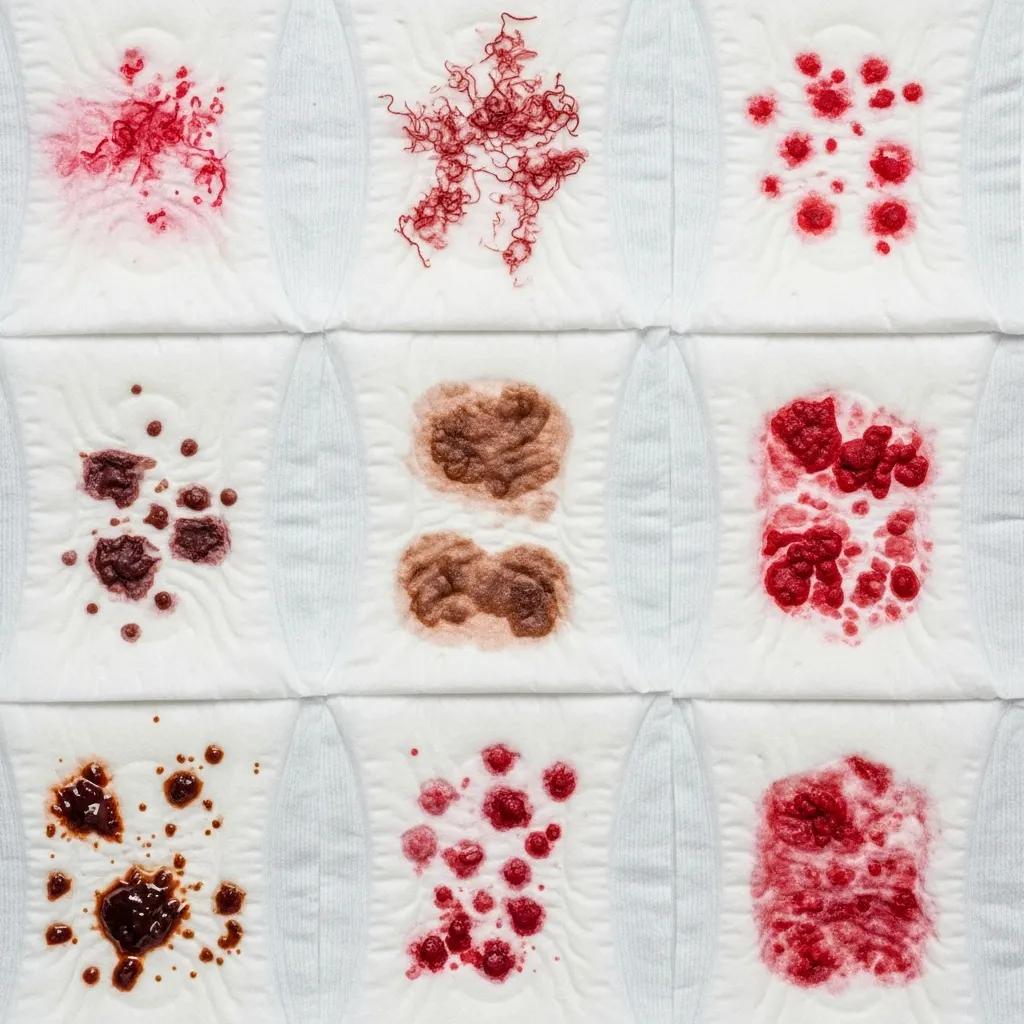
Small clots about the size of a coin or grape are common during the heavier phase and usually represent blood and tissue being passed rather than an emergency. You may see irregular or larger tissue fragments; if you think you’re passing organized tissue rather than a clot, note the size and consider photographing it if it’s safe and you plan to show it to a clinician. Color typically moves from bright red during active bleeding to brown or pink as it tapers. If bright red, heavy bleeding continues beyond two days, that should prompt reassessment. Simple visual comparisons and pad checks can help you judge clot size and flow reliably at home.
When should you be concerned about heavy or abnormal bleeding?
Clear thresholds and warning signs make it easier to decide when bleeding is a medical concern. Excessive bleeding is measurable — for example, a rapid pad-saturation rate or passing very large clots, especially when paired with systemic symptoms. Knowing numeric thresholds and associated signs — lightheadedness, fainting, or a very fast heartbeat — helps you tell life-threatening bleeding apart from expected heavy flow. The table below lists precise warning signs, thresholds, and recommended actions.
Use this table to match what you’re seeing with the threshold and know the next step if a limit is reached.
| Warning sign | Measurable threshold | Recommended action |
|---|---|---|
| Rapid pad saturation | Soaking 2 or more standard pads in 1 hour for 2 consecutive hours | Seek urgent clinical evaluation |
| Large clot passage | Passing clots larger than a lemon or persistent large tissue pieces | Contact your clinician for assessment |
| Systemic symptoms | Lightheadedness, fainting, very rapid heartbeat, or signs of low blood pressure | Seek emergency care immediately |
What are the signs of excessive bleeding after abortion pills?
Excessive bleeding often looks like very fast pad saturation, repeated large clots, or bleeding that doesn’t slow after the initial peak. A practical home threshold is soaking two or more standard pads in an hour for two hours in a row — this suggests significant blood loss. If you also feel dizzy, faint, short of breath, or unusually weak, these could be signs of hemodynamic compromise and need immediate emergency assessment. Having concrete criteria helps you act quickly and avoid dangerous delays.
How do I recognize signs of infection or other complications?
Infection after a medication abortion commonly causes fever, chills, worsening pelvic pain, and foul-smelling vaginal discharge. Systemic signs like high fever or a very fast heart rate raise concern for sepsis. If pregnancy symptoms persist — such as ongoing nausea, breast tenderness, or an absence of expected bleeding — that may suggest an incomplete abortion. If you have a fever over 38°C (100.4°F), worsening pain, or malodorous discharge, seek clinical evaluation promptly. Early recognition and treatment of infection or incomplete expulsion reduce the risk of serious complications.
How can you manage bleeding and other symptoms after abortion pills?
Safe, evidence-based self-care can reduce discomfort and support recovery during the bleeding phase. Focus on pain control, monitoring blood loss, good hygiene, and emotional support. Over-the-counter pain relievers and non-drug measures ease cramps, and careful pad use plus rest lower infection risk and increase comfort. If you prefer supervised recovery or have concerns about the amount of bleeding, reach out to trusted clinical support such as Her Smart Choice for guidance and follow-up.
Practical steps for pain control and self-care can make recovery smoother. The list below outlines safe, immediate actions you can take.
- Track bleeding: Keep a pad log — note how many pads you change per hour and any large clots.
- Use recommended analgesics: Take pain medicine as advised and avoid unsupported medication combinations.
- Prioritize rest and hydration: Rest when bleeding is heaviest and keep fluids and iron-rich foods available.
These steps help you monitor recovery and reduce risk. If bleeding meets the warning thresholds above or you feel unwell despite self-care, follow the guidance in the earlier section to seek urgent assessment or contact trusted support.
What pain management options are safe and effective?
Nonprescription anti-inflammatory pain relievers are commonly used to reduce cramping because they target the prostaglandin-driven contractions that cause pain. Safe options typically include NSAIDs like ibuprofen at recommended doses with food, and acetaminophen can be added if appropriate. Non-drug measures — such as a warm heat pack on the lower abdomen and gentle rest — often complement medication and reduce the need for higher doses. If pain is severe and doesn’t improve with these measures, seek clinical reassessment to check for incomplete abortion or other complications.
What are best practices for hygiene and rest during recovery?
Use external pads rather than tampons or internal devices during the immediate recovery period to lower infection risk and to let you accurately monitor bleeding. Avoid douching, swimming, and sex until bleeding has noticeably decreased and you feel recovered, since these activities can raise infection risk. Simple pelvic hygiene with mild soap and water is enough, and changing pads promptly reduces skin irritation and odor. If you notice new or worsening foul-smelling discharge, fever, or unusual pelvic pain, seek medical evaluation.
If you want extra reassurance or supervised follow-up, Her Smart Choice can help — the next section explains their support options.
How does Her Smart Choice support people experiencing bleeding after abortion pills?
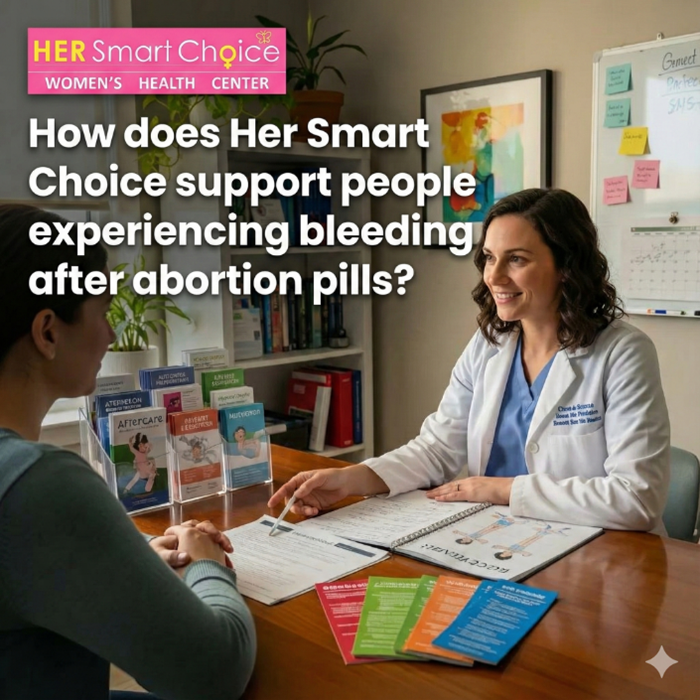
Her Smart Choice offers aftercare for people experiencing bleeding after a medication abortion through triage, clinical follow-up, and psychosocial support. We focus on clear, reassuring information to help you tell normal recovery from complications, and we can coordinate emergency services when needed. Our services are designed for accessible guidance, timely follow-up appointments, and emotional support during recovery to reduce uncertainty and promote safe outcomes. The table below summarizes core services and when to use each one.
This table outlines how Her Smart Choice structures aftercare and when each service is appropriate.
| Service | What it provides | When to use |
|---|---|---|
| Triage and phone support | Symptom assessment and clear guidance on next steps | For initial questions about bleeding patterns or thresholds |
| In-clinic follow-up | Clinical exam and ultrasound if indicated | If bleeding is prolonged, heavy, or symptoms suggest incomplete abortion or infection |
| Emotional support and counseling | Psychosocial check-ins and referrals to mental health resources | For mood changes, anxiety, or the need for counseling during recovery |
How to contact Her Smart Choice for 24/7 help and follow-up care?
If you want supervised guidance for bleeding after a medication abortion, Her Smart Choice offers triage and follow-up pathways to assess symptoms and recommend next steps quickly. When you call, be ready to describe timing since medication, how many pads you’re soaking per hour, the presence and size of clots, any fever, and any fainting or dizziness. Triage staff ask these focused questions to decide whether you need emergency care or an in-clinic visit. While waiting for help, continue basic self-care like resting and tracking pad use so the care team can make an informed assessment.
What comprehensive aftercare services does Her Smart Choice provide?
Her Smart Choice offers medical reassessment for incomplete abortion, emotional counseling, and coordination for emergency referrals when needed. Medical reassessment can include a clinical history, physical exam, and diagnostic tests when indicated to confirm complete expulsion or identify complications. Psychosocial supports include counseling and referrals to community resources — because emotional recovery matters. These services are compassionate, evidence-informed, and focused on restoring health and providing reassurance during recovery.
What are the common side effects of bleeding after taking abortion pills?
Common side effects that occur with bleeding after a medication abortion include cramping, nausea, mild fever, and temporary tiredness. These symptoms reflect how mifepristone and misoprostol work and usually improve as bleeding lessens. Most side effects are short-lived and manageable with standard self-care, but red-flag symptoms — high fever, severe prolonged pain, or heavy bleeding with systemic signs — require rapid medical attention. The next sections explain how the medications work and clearly compare normal side effects with serious symptoms that need evaluation.
How do mifepristone and misoprostol cause bleeding?
Mifepristone blocks progesterone receptors, which causes the uterine lining to break down and the pregnancy to detach, starting bleeding. Misoprostol triggers uterine contractions that help expel the pregnancy tissue, and those contractions cause cramping and active bleeding as tissue leaves the uterus. Together, these medicines produce the intended effect of expulsion — a short period of heavier bleeding followed by tapering. Knowing this mechanism can reassure you that bleeding is part of the process, while also explaining why monitoring flow and symptoms matters.
What is the difference between normal side effects and serious symptoms?
Normal side effects include cramps, a light fever (generally below 38°C / 100.4°F), brief nausea, and heavier bleeding for a short, defined period after misoprostol. Serious symptoms include persistent high fever, continuous heavy bleeding that meets numeric thresholds (for example, soaking many pads per hour), fainting, or signs of sepsis such as severe weakness and a very fast heart rate. If mild-to-moderate symptoms escalate to these red-flag signs, seek immediate clinical evaluation to rule out incomplete abortion or infection. Knowing this difference helps you get the right care at the right time and avoid unnecessary emergency visits.
Frequently asked questions
If you have severe pain that doesn’t get better with over-the-counter pain relief, seek medical attention. Severe or worsening pain can indicate complications like an incomplete abortion or infection. Some cramping is normal, but persistent or escalating pain that doesn’t respond to analgesics needs clinical evaluation. Contact your healthcare provider or a trusted support service like Her Smart Choice for guidance on next steps to protect your safety and well-being.
We recommend avoiding tampons during the immediate recovery period. Use external pads so you can monitor bleeding accurately and lower infection risk. Tampons can hide bleeding volume and may introduce bacteria. Wait until bleeding has decreased significantly and you feel fully recovered before considering tampons again, and follow your clinician’s advice.
Emotional well-being is an important part of recovery. Reach out to supportive friends or family, journal your feelings, or seek professional counseling if you need extra help. Many people experience a wide range of emotions, and it’s okay to ask for support. Her Smart Choice offers emotional support services, including counseling and referrals to mental health resources, if you want someone to talk to during recovery.
Focus on rest, hydration, and a balanced diet with iron-rich foods to help replenish your body. Avoid strenuous activity until you feel recovered, and skip swimming and sexual intercourse until bleeding has significantly decreased to reduce infection risk. These practical changes support both physical recovery and emotional well-being.
Yes — mood swings can be a normal response after a medication abortion. Hormonal shifts, physical discomfort, and the emotional weight of the experience can all contribute. Allow yourself to feel whatever comes up, and consider talking with someone you trust or a counselor if you need extra support.
Talk with your healthcare provider about contraception options after a medication abortion. You can usually start most methods right away, though some options may require a follow-up visit. Understanding hormonal and non-hormonal choices will help you pick what fits your needs. Her Smart Choice can provide guidance and help you choose the best method for your situation.
Normal bleeding typically includes heavier flow during the first 4–24 hours after misoprostol, with light bleeding or spotting that decreases over 1–4 weeks; occasional spotting up to six weeks can occur. In practical terms, many people use around 4–6 pads in the first 24 hours, with a taper afterwards, though individual experience varies by gestational age and physiology. Watch for steady increases in pad use or very large clots, which are not typical and should prompt reassessment. If you’re unsure whether your bleeding fits expected ranges, contact clinical support for symptom triage.
Call a clinician or seek emergency care if you’re soaking two or more standard pads per hour for two consecutive hours, passing clots larger than a lemon, fainting, or feeling very dizzy or having a rapid heartbeat. Also seek care for fever with chills, foul-smelling discharge, or severe pain that isn’t eased by recommended analgesics, as these may signal infection or incomplete abortion. For non-urgent concerns — such as prolonged light spotting or questions about contraception — schedule a follow-up with a trusted provider. If you need immediate symptom assessment and reassurance, smelly discharge offers triage and follow-up pathways to guide next steps.
Conclusion
Knowing what to expect with bleeding after taking abortion pills helps you manage recovery with more confidence. Recognize normal symptoms, learn the red flags, and reach out when you need care. For personalized support and guidance, consider contacting Her Smart Choice — compassionate help is available when you need it. Explore our resources to feel more prepared and supported through your recovery.
Follow Us!